
Water management financing, orchard financing, pole barn financing, irrigation system financing, and funding for farm equipment purchases help farmers invest in essential infrastructure, improve efficiency, and increase the long-term productivity of their agricultural operations.
Whether you’re expanding an existing farm or launching a new agricultural venture, these financing solutions provide the capital needed to strengthen daily operations, protect valuable resources, and support sustainable growth for years to come.
Agribusiness loans are designed to support farmers, producers, and agricultural businesses with the capital needed to operate, expand, and improve productivity. Whether you are managing seasonal cash flow, purchasing land, upgrading machinery, or investing in livestock, our financing solutions are structured to match the unique cycles of agriculture.
We understand that farming is not a fixed-income business. That’s why our lending approach focuses on flexibility, seasonal repayment options, and long-term financial stability for agribusiness operators.
Long-term financing for major investments like land, infrastructure, and expansion projects.
Flexible access to funds whenever your business needs working capital.
Designed to support farming cycles, covering input costs before harvest revenue arrives.
Purchase new or used agricultural machinery with structured repayment plans.
Funding for buying, breeding, and expanding livestock operations.
Industry-focused agricultural financing experts
Flexible repayment plans aligned with crop cycles
Competitive interest rate structures
Fast approval and simple application process
Funding for both small farms and large agribusiness operations
Personalized financial support and advisory
Improve farm productivity and efficiency
Expand agricultural operations and land ownership
Maintain stable cash flow during off-season periods
Invest in modern technology and equipment
Strengthen long-term business growth
Reduce financial pressure during seasonal cycles
Farmers and agricultural landowners
Agribusiness companies of all sizes
Livestock and dairy operators
Agricultural processors and suppliers
Rural business owners involved in food
Affiliate Disclosure: We are an affiliate marketing website and may receive compensation from lending partners. We are not a lender, do not make credit decisions, and do not guarantee approval. Loan terms and rates are determined by individual lenders.
They can be used for land purchase, equipment, livestock, farm expansion, and working capital.
Yes, repayment structures can be aligned with agricultural income cycles.
Approval time depends on documentation, but flexible fast-track options are available.
Yes, both small and large agribusinesses are eligible.
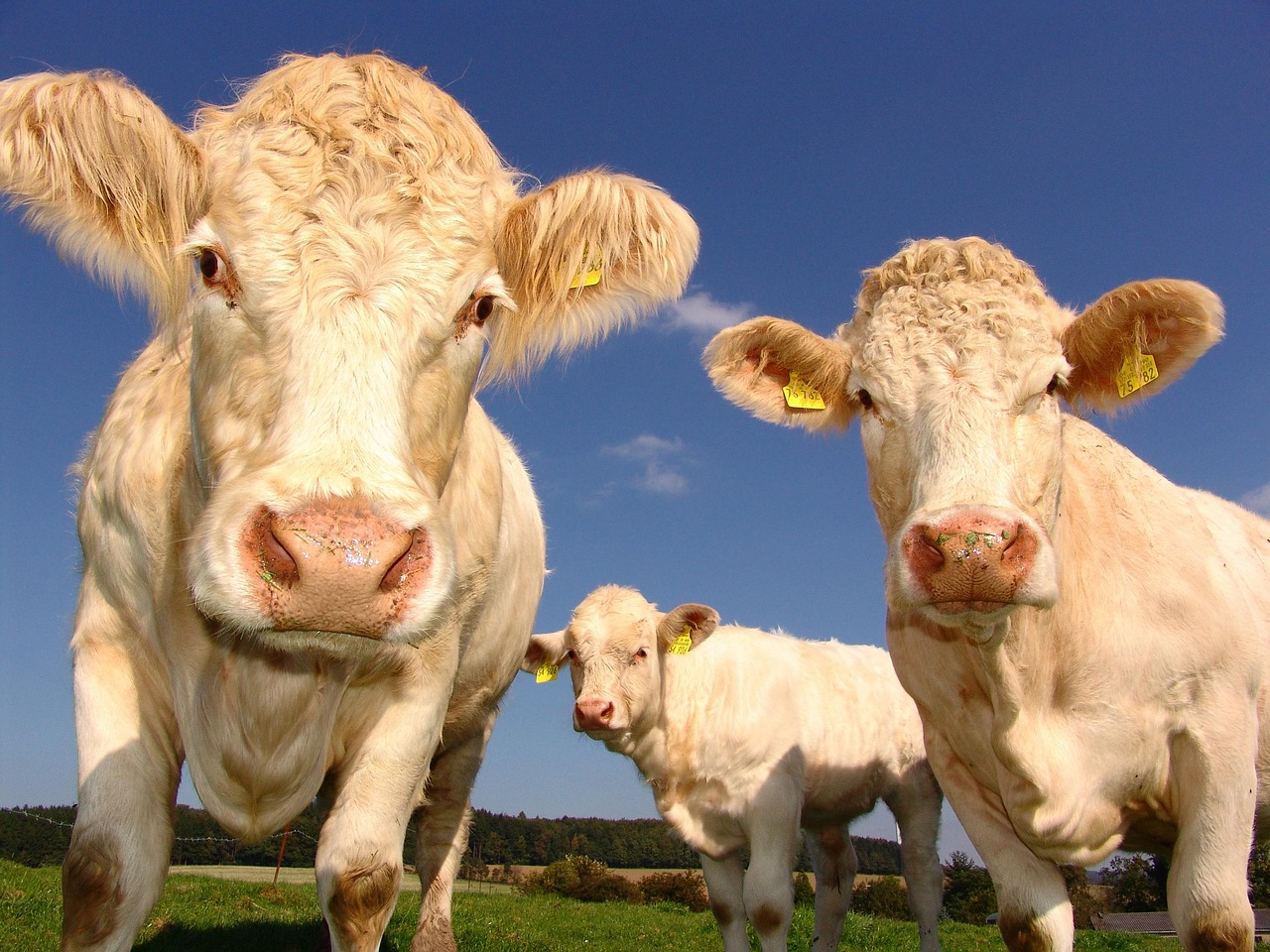
Modern agriculture requires far more than productive soil and reliable weather. Today’s farmers must balance rising equipment costs, changing climate conditions, labor shortages, and increasing operational expenses while remaining profitable. Whether operating a small family farm or a large commercial agricultural enterprise, investing in infrastructure, equipment, and land improvements has become essential for long-term success.
Agricultural financing gives producers the ability to modernize their operations without depleting working capital. Instead of delaying important improvements, farmers can invest in irrigation systems, storage buildings, orchards, and equipment that increase efficiency and improve profitability for years to come.
This guide explores several financing solutions that help today’s agricultural businesses grow while maintaining healthy cash flow.
Agriculture remains one of the most capital-intensive industries in the world.
Every growing season requires investments in:
Most of these expenses occur long before crops are harvested or livestock is marketed.
Financing allows producers to spread these costs over time while preserving operating capital for daily business needs.
Water has become one of agriculture’s most valuable resources. Efficient water systems help improve crop yields, reduce waste, and protect farms during periods of drought.
Water management financing allows producers to invest in infrastructure that improves irrigation efficiency and long-term sustainability.
Projects commonly financed include:
Many of these improvements remain productive for decades, making financing an effective solution for preserving working capital.
Weather patterns have become increasingly unpredictable across many farming regions.
Efficient water management provides several advantages:
Modern irrigation technology also reduces unnecessary water consumption while improving overall farm efficiency.
Successful farms rarely expand through a single investment.
Instead, growth often involves gradual improvements such as:
Each investment contributes toward greater productivity while increasing the overall value of the farming operation.
Establishing an orchard requires patience, planning, and significant capital.
Unlike annual row crops, orchards often require several years before producing commercial harvests.
Orchard financing helps producers establish long-term fruit and nut production by funding investments such as:
Common orchard types include:
Because orchards produce for many years, financing allows growers to spread startup costs over the productive life of the operation.
Farm infrastructure protects valuable equipment while improving operational efficiency.
Common agricultural buildings include:
Proper storage reduces weather damage while extending equipment life.
Pole barns remain one of the most versatile structures used in agriculture.
Pole barn financing allows producers to construct buildings that support nearly every aspect of farm operations.
Typical uses include:
Pole barns are popular because they offer:
Many lenders offer financing terms that align with the long useful life of these structures.
Reliable irrigation significantly improves crop performance across many agricultural regions.
Today’s systems include:
Modern controls allow farmers to automate watering schedules while reducing waste.
Installing a complete irrigation system often represents one of the largest capital investments on a farm.
Irrigation system financing helps producers acquire modern irrigation technology without placing excessive pressure on operating cash flow.
Projects may include:
Proper irrigation frequently improves yields while reducing weather-related production risks.
Agricultural machinery continues becoming more advanced.
Today’s equipment frequently includes:
These technologies increase productivity while reducing fuel consumption and labor costs.
However, equipment prices continue rising.
Machinery remains one of agriculture’s largest investments.
Funding for farm equipment purchases allows producers to acquire equipment needed for planting, harvesting, transporting, and maintaining agricultural operations.
Common financed equipment includes:
Replacing outdated machinery often improves productivity while lowering repair expenses.
Financing allows producers to:
Rather than postponing improvements, farms can invest when opportunities arise while maintaining healthy cash flow.
Agriculture continues evolving through technology, automation, and improved infrastructure.
Farms that invest strategically today often position themselves for greater success tomorrow.
Developing a long-term capital improvement plan helps producers prioritize projects that generate lasting value while supporting sustainable growth.
Modern agriculture is constantly changing. Rising production costs, evolving technology, changing weather patterns, and growing consumer demand require producers to continually improve their operations. While purchasing equipment is important, many of the greatest long-term returns come from investing in infrastructure that improves efficiency for decades.
Successful farmers often develop multi-year investment plans that balance equipment upgrades, water conservation, building improvements, and working capital needs while preserving financial flexibility.
Agricultural infrastructure represents the backbone of every successful farming operation.
Important improvements often include:
Unlike annual operating expenses, infrastructure investments frequently provide value for twenty to fifty years.
This long service life makes financing an attractive option for many producers.
As climate variability increases, reliable access to water has become even more important.
Many farms use Water management financing to complete projects such as:
These improvements often reduce production risks while increasing crop consistency from year to year.
Efficient water management also helps reduce unnecessary pumping costs and supports long-term environmental stewardship.
Permanent crops often produce some of agriculture’s highest long-term returns.
Examples include:
Unlike annual crops, orchards continue producing harvests for many years after establishment.
Because of their long production cycles, many growers use orchard financing to spread establishment costs across future harvest seasons.
Careful planning, irrigation, and proper maintenance often determine the long-term profitability of these operations.
Agricultural machinery represents one of the largest financial commitments on most farms.
Leaving valuable equipment exposed to weather may increase maintenance costs and shorten equipment life.
Modern farm buildings provide protection for:
Many producers choose pole barn financing because these structures offer durability, affordability, and flexible design options.
Proper storage also improves operational efficiency by keeping machinery organized and readily accessible throughout the year.
Water conservation continues becoming an important priority for producers across many agricultural regions.
Today’s irrigation technology provides features such as:
Farmers can monitor irrigation systems from computers or mobile devices.
Sensors determine exactly when watering is needed.
Modern systems apply water according to crop demand.
Different sections of a field receive customized water applications.
Many farms investing through irrigation system financing report improved crop performance while reducing unnecessary water use.
Technology has transformed nearly every aspect of agriculture.
Today’s machinery may include:
These innovations increase productivity while helping reduce labor and fuel expenses.
Because equipment prices continue rising, many producers rely upon funding for farm equipment purchases to remain competitive without exhausting available capital.
Every lender evaluates loan applications differently, but common considerations include:
A strong repayment record generally improves financing opportunities.
Lenders often consider management experience and production history.
Applications frequently include:
Common collateral includes:
Preparing organized financial records often speeds approval while improving financing options.
Every farming operation faces uncertainty.
Common risks include:
Successful producers reduce these risks by:
Well-planned investments help farms remain financially resilient during challenging years.
The following example illustrates how a diversified farm might prioritize long-term capital improvements.
Illustrative allocation of financing across major agricultural investments.
This chart is provided for educational purposes only and does not represent investment advice.
Yes. Many lenders finance irrigation systems, barns, workshops, storage facilities, drainage improvements, and water infrastructure.
Many financing programs are specifically designed for beginning farmers and first-generation agricultural producers.
Yes. Numerous lenders finance both new and used agricultural equipment depending on age, condition, and value.
Loan terms vary depending on the financed asset. Equipment typically has shorter repayment periods than farmland or permanent infrastructure.
Infrastructure improvements often increase productivity, reduce operating costs, and strengthen long-term farm profitability.
Improve your website’s SEO by linking this article to:
Readers interested in agricultural financing and farm management can explore these trusted resources:
Modern agriculture depends on strategic investments that improve efficiency, conserve resources, and position farms for future growth. Financing provides producers with the flexibility to invest in infrastructure and equipment while preserving valuable working capital for daily operations.
Whether using Water management financing, orchard financing, pole barn financing, irrigation system financing, or funding for farm equipment purchases, today’s financing solutions help farmers build stronger, more productive agricultural businesses. By combining careful planning with responsible financing, producers can improve profitability, reduce operational risk, and create sustainable farming operations capable of succeeding for generations.