
 Skip to content


Agricultural construction loans, water storage financing, farm water system loans, precision planting financing, and GPS farm equipment financing help farmers invest in modern infrastructure, conserve water resources, improve planting accuracy, and increase the efficiency of their agricultural operations.
These financing solutions provide the capital needed to construct essential farm facilities, upgrade irrigation and water systems, adopt precision agriculture technologies, and support long-term productivity and sustainable farm growth.
Agribusiness loans are designed to support farmers, producers, and agricultural businesses with the capital needed to operate, expand, and improve productivity. Whether you are managing seasonal cash flow, purchasing land, upgrading machinery, or investing in livestock, our financing solutions are structured to match the unique cycles of agriculture.
We understand that farming is not a fixed-income business. That’s why our lending approach focuses on flexibility, seasonal repayment options, and long-term financial stability for agribusiness operators.
Long-term financing for major investments like land, infrastructure, and expansion projects.
Flexible access to funds whenever your business needs working capital.
Designed to support farming cycles, covering input costs before harvest revenue arrives.
Purchase new or used agricultural machinery with structured repayment plans.
Funding for buying, breeding, and expanding livestock operations.
Industry-focused agricultural financing experts
Flexible repayment plans aligned with crop cycles
Competitive interest rate structures
Fast approval and simple application process
Funding for both small farms and large agribusiness operations
Personalized financial support and advisory
Improve farm productivity and efficiency
Expand agricultural operations and land ownership
Maintain stable cash flow during off-season periods
Invest in modern technology and equipment
Strengthen long-term business growth
Reduce financial pressure during seasonal cycles
Farmers and agricultural landowners
Agribusiness companies of all sizes
Livestock and dairy operators
Agricultural processors and suppliers
Rural business owners involved in food
Affiliate Disclosure: We are an affiliate marketing website and may receive compensation from lending partners. We are not a lender, do not make credit decisions, and do not guarantee approval. Loan terms and rates are determined by individual lenders.
They can be used for land purchase, equipment, livestock, farm expansion, and working capital.
Yes, repayment structures can be aligned with agricultural income cycles.
Approval time depends on documentation, but flexible fast-track options are available.
Yes, both small and large agribusinesses are eligible.
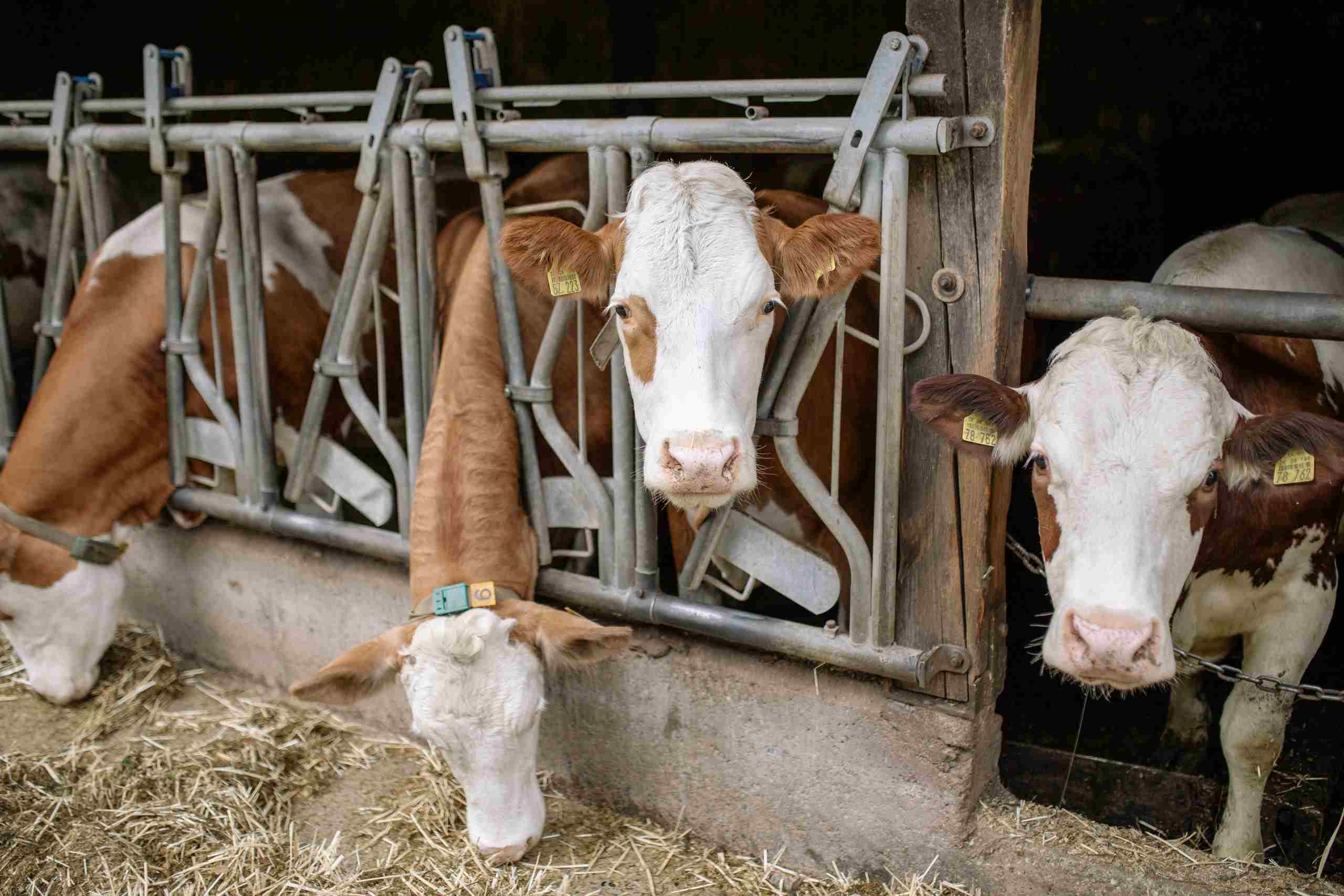
Modern farms increasingly combine permanent infrastructure with advanced agricultural technology. A producer may need a new machinery building or livestock facility while simultaneously improving water capacity, installing precision planting technology, and upgrading tractors or implements with GPS-based systems.
These projects can require substantial capital, but they should not necessarily be financed the same way. Buildings and permanent water improvements can have long useful lives, while electronic technology may become obsolete considerably faster. Producers also need enough liquidity after making improvements to pay for seed, fertilizer, feed, fuel, labor, insurance, maintenance, and other recurring expenses.
A well-designed agricultural capital strategy starts with a complete project budget. Farmers should determine what each investment costs, how long it should remain useful, what operational problem it addresses, and whether expected cash flow can comfortably support additional payments.
The following nine sections examine construction, agricultural water infrastructure, precision planting, GPS technology, underwriting, government programs, and long-term farm capital planning.
Farmers researching Agricultural construction loans should begin with detailed estimates covering the building, site preparation, concrete, utilities, electrical work, plumbing, drainage, ventilation, doors, and other necessary improvements.
Operations considering water storage financing should calculate the complete expense of tanks, reservoirs, cisterns, pumps, pipelines, controls, foundations, excavation, and installation where applicable.
Applicants evaluating Agricultural water infrastructure financing should identify whether capital is needed for wells, pumps, distribution lines, filtration, livestock watering, irrigation infrastructure, or broader system improvements.
Producers seeking precision planting financing should consider monitors, meters, row units, controllers, sensors, wiring, installation, software, and other technology required for the proposed system.
Businesses exploring GPS farm equipment financing should determine whether they need complete machinery, guidance systems, receivers, displays, steering components, correction services, or upgrades to existing equipment.
For additional educational information about agricultural funding, visit AgribusinessLoans.com.
Applicants seeking Agricultural construction loans should obtain detailed contractor proposals and determine which expenses are included and which remain the farmer’s responsibility.
Businesses using water storage financing as part of a construction project should coordinate tank or reservoir locations with buildings, roads, electrical infrastructure, drainage, and future expansion.
Producers considering farm water system loans should evaluate whether existing electrical capacity, wells, pumps, pipes, or other infrastructure can support planned buildings and additional agricultural production.
Farmers exploring precision planting financing during a larger expansion should avoid allowing technology purchases to consume capital needed to complete essential construction.
Operations pursuing GPS farm equipment financing should determine whether new buildings will provide adequate clearance, security, electrical service, and storage space for larger or more technologically advanced machinery.
Construction projects can experience cost changes because of site conditions, material requirements, utility work, weather, or design modifications. A contingency allowance can help protect the project from unexpected expenses.
Farmers considering Agricultural construction loans for projects involving livestock, crops, greenhouses, or processing should include water infrastructure in the original construction plan.
Businesses pursuing water storage financing should determine required capacity based on actual agricultural demand, replenishment rates, seasonal conditions, and reasonable contingency requirements.
Applicants using farm water system loans should evaluate the entire network rather than replacing one component without considering pumps, pressure, pipelines, storage, filtration, controls, and distribution.
Producers carrying precision planting financing may also use soil, field, and production information to make broader decisions about crop management and resource allocation.
Operations using GPS farm equipment financing can integrate positioning technology with mapping and field records when compatible systems provide useful management information.
Operations considering Agricultural construction loans should coordinate major building investments with machinery and technology plans so capital requirements do not unexpectedly overlap.
Farmers evaluating water storage financing can compare the priority of water infrastructure against technology purchases when available investment capital is limited.
Businesses seeking farm water system loans should similarly consider whether water reliability represents a more immediate production requirement than optional technology upgrades.
Applicants researching precision planting financing should identify specific objectives such as improved seed placement, section control, row monitoring, variable-rate capabilities, or better planting information.
Producers considering GPS farm equipment financing should evaluate compatibility between receivers, displays, steering systems, implements, tractors, software platforms, and correction services before purchasing equipment.
Precision technology should solve a defined operational problem. Producers should avoid assuming that every technology upgrade automatically increases profitability. Performance depends on acreage, crops, equipment utilization, field conditions, labor, compatibility, and management practices.
Applicants seeking Agricultural construction loans should compare rates, fees, repayment periods, collateral requirements, required contributions, guarantees where applicable, and construction-related conditions.
Farmers considering water storage financing should compare financing expense with the expected operational value of improved water availability and system reliability.
Operations evaluating farm water system loans should consider maintenance, energy consumption, repairs, pump replacement, filtration, and other continuing expenses in addition to debt payments.
Businesses researching precision planting financing should avoid repayment schedules substantially longer than the realistic useful life of the electronic components being purchased.
Applicants pursuing GPS farm equipment financing should calculate total ownership costs, including hardware, installation, subscriptions or correction services where applicable, maintenance, and future upgrades.
Consider a hypothetical $600,000 agricultural infrastructure project amortized over 15 years:
| Illustrative Rate | Approx. Monthly Payment | Approx. Total Repaid |
|---|---|---|
| 5% | $4,745 | $854,100 |
| 6% | $5,063 | $911,340 |
| 7% | $5,393 | $970,740 |
| 8% | $5,734 | $1,032,120 |
| 9% | $6,086 | $1,095,480 |
Approximate Monthly Payment

$6,200 |                              █
$6,000 |                              █
$5,800 |                       █      █
$5,600 |                       █      █
$5,400 |                █      █      █
$5,200 |         █      █      █      █
$5,000 |         █      █      █      █
$4,800 |  █      █      █      █      █
       +-----------------------------------
          5%     6%     7%     8%     9%
These calculations are hypothetical educational examples. They are not current agricultural interest rates, lender quotes, market averages, guaranteed terms, or approvals.
Eligible producers researching Agricultural construction loans can investigate Farm Service Agency programs when buildings or improvements serve qualifying agricultural purposes.
Businesses seeking water storage financing can also investigate USDA conservation programs when a proposed water project addresses an eligible natural-resource concern.
Applicants considering farm water system loans should determine whether their project could qualify under FSA, NRCS, Rural Development, or another applicable program rather than assuming government assistance is available.
Farmers seeking precision planting financing should verify whether specific equipment qualifies for a particular agricultural program before including anticipated assistance in their budget.
Operations pursuing GPS farm equipment financing can review FSA operating programs when purchasing qualifying farm machinery or equipment, subject to program rules and applicant eligibility.
Applicants pursuing Agricultural construction loans should organize requested financial statements, tax records where applicable, debt schedules, construction estimates, property information, plans, and contractor proposals.
Businesses seeking water storage financing should prepare system specifications, capacity requirements, site information, installation estimates, and supporting project documentation.
Farmers applying for farm water system loans should provide clear descriptions of existing infrastructure, proposed improvements, project costs, and expected agricultural benefits.
Operations considering precision planting financing should obtain equipment quotes showing hardware, installation, software, and other required components.
Producers applying for GPS farm equipment financing should document equipment costs, intended agricultural use, compatibility requirements, and whether the purchase involves new machinery or technology added to existing assets.
Businesses carrying Agricultural construction loans should maintain adequate reserves for change orders, repairs, insurance, payroll, utilities, fuel, inputs, and normal agricultural operations.
Farmers using water storage financing should budget for maintenance, pumps, electricity or fuel, cleaning, monitoring, repairs, and other continuing system expenses.
Operations utilizing farm water system loans should maintain contingency funds for leaks, pump failures, electrical problems, filtration equipment, and unexpected infrastructure repairs.
Applicants carrying precision planting financing should preserve sufficient capital for seed, fertilizer, crop protection, fuel, labor, repairs, and other expenses required to actually plant and manage the crop.
Businesses using GPS farm equipment financing should account for equipment maintenance, software, correction services, connectivity, repairs, and technology replacement where applicable.
A farm with valuable buildings and sophisticated equipment can still experience financial pressure if it lacks enough liquidity for normal operations. Capital improvements should therefore be evaluated alongside seasonal cash-flow requirements.
After completing projects funded through Agricultural construction loans, farmers should monitor building utilization, maintenance, operating expenses, and whether the improvements are producing their intended benefits.
Operations using water storage financing should track actual capacity needs, maintenance, energy use, water availability, and system reliability against original assumptions.
Businesses carrying farm water system loans should establish maintenance schedules for pumps, wells, pipelines, tanks, filters, controls, electrical equipment, and other infrastructure.
Farmers repaying precision planting financing should evaluate planting accuracy, equipment reliability, downtime, maintenance, utilization, and whether the technology continues to support production objectives.
Operations using GPS farm equipment financing should monitor utilization, compatibility, subscription expenses, repairs, software updates, and eventual replacement requirements.
A multi-year capital plan can coordinate buildings, water infrastructure, machinery, technology, land improvements, energy systems, storage, and working-capital needs. This approach can help owners prioritize projects rather than attempting to complete every improvement simultaneously.
For additional federal agricultural resources, visit Farmers.gov. Producers can also review and find additional agricultural financing information at AgribusinessLoans.com.
Agricultural infrastructure and precision technology can represent two very different types of investment. Buildings and permanent water systems may remain useful for decades, while displays, receivers, sensors, controllers, and other electronic components can have substantially shorter economic lives.
Recognizing those differences can help farmers select more appropriate financing structures. A repayment period that makes sense for a permanent agricultural building may be unnecessarily long for electronic technology that could require replacement or upgrading much sooner.
Construction planning should begin with the complete installed cost. Site preparation, excavation, concrete, electrical service, plumbing, drainage, ventilation, roads, doors, engineering, and other expenses can make the final project considerably more expensive than the basic building package.
Water infrastructure deserves the same comprehensive approach. Storage is only one component of a functioning agricultural system. Pumps, wells or other sources, pipelines, valves, pressure controls, filtration, electrical service, monitoring, and distribution can all affect performance.
Farmers should estimate future water requirements instead of designing solely around current production. Expanding livestock numbers, irrigated acres, greenhouse capacity, or other agricultural activities can increase demand.
At the same time, excessively large infrastructure can tie up capital that could have been used elsewhere. Capacity planning should therefore be based on realistic production and expansion assumptions.
Precision planting systems should be evaluated according to measurable objectives. Depending on the operation and equipment, farmers may be interested in seed placement, row monitoring, section control, mapping, variable-rate functions, or other capabilities.
Compatibility is particularly important. A technology package may interact with tractors, planters, displays, receivers, steering systems, software, correction services, and data platforms. Producers should verify compatibility before committing to a purchase.
GPS-based agricultural technology can also create continuing expenses. Correction subscriptions, connectivity, software, repairs, replacement displays, receivers, sensors, and upgrades should be included when evaluating ownership costs.
Farmers should avoid assuming that technology automatically creates a financial return. Benefits depend on how frequently equipment is used, the size of the operation, crops produced, existing machinery, employee skills, field conditions, and management practices.
Government programs can provide possibilities for eligible producers. FSA administers programs that may support qualifying farm ownership, improvements, equipment, and operating needs. NRCS administers conservation programs that may assist with eligible practices addressing natural-resource concerns.
Program eligibility should always be verified directly. The existence of a USDA program does not mean every producer, building, water project, or technology purchase qualifies.
Working capital should remain protected during major improvements. Seed, feed, fertilizer, fuel, labor, insurance, crop protection, veterinary expenses, utilities, and equipment repairs continue even while a construction or infrastructure project is underway.
Contingency reserves can also help with unexpected construction expenses, pump failures, technology problems, machinery breakdowns, or unfavorable production conditions.
Accurate records make future investment decisions easier. Farmers can compare projected costs and benefits with actual building utilization, water usage, planting performance, equipment downtime, repairs, and operating expenses.
These measurements can become part of a multi-year capital strategy. Buildings, water systems, machinery, precision technology, energy improvements, storage, and land development can then be prioritized according to operational importance and available financial capacity.
No financing product is automatically approved. Available amounts, rates, fees, repayment periods, collateral requirements, guarantees, required contributions, and eligibility depend on the provider, program, applicant, property, equipment, and project.
A disciplined approach combining complete budgets, conservative assumptions, adequate liquidity, technology compatibility, infrastructure planning, and performance measurement can help agricultural businesses make better-informed capital decisions.