
Financing a livestock operation, robotic milking system financing, agricultural technology loans, farm software financing, and farm expansion financing help agricultural producers invest in modern equipment, advanced technology, and infrastructure that improve efficiency, productivity, and long-term profitability.
These financing solutions provide farmers with the capital needed to modernize daily operations, streamline herd management, adopt digital tools, and expand their businesses while maintaining healthy cash flow.
Agribusiness loans are designed to support farmers, producers, and agricultural businesses with the capital needed to operate, expand, and improve productivity. Whether you are managing seasonal cash flow, purchasing land, upgrading machinery, or investing in livestock, our financing solutions are structured to match the unique cycles of agriculture.
We understand that farming is not a fixed-income business. That’s why our lending approach focuses on flexibility, seasonal repayment options, and long-term financial stability for agribusiness operators.
Long-term financing for major investments like land, infrastructure, and expansion projects.
Flexible access to funds whenever your business needs working capital.
Designed to support farming cycles, covering input costs before harvest revenue arrives.
Purchase new or used agricultural machinery with structured repayment plans.
Funding for buying, breeding, and expanding livestock operations.
Industry-focused agricultural financing experts
Flexible repayment plans aligned with crop cycles
Competitive interest rate structures
Fast approval and simple application process
Funding for both small farms and large agribusiness operations
Personalized financial support and advisory
Improve farm productivity and efficiency
Expand agricultural operations and land ownership
Maintain stable cash flow during off-season periods
Invest in modern technology and equipment
Strengthen long-term business growth
Reduce financial pressure during seasonal cycles
Farmers and agricultural landowners
Agribusiness companies of all sizes
Livestock and dairy operators
Agricultural processors and suppliers
Rural business owners involved in food
Affiliate Disclosure: We are an affiliate marketing website and may receive compensation from lending partners. We are not a lender, do not make credit decisions, and do not guarantee approval. Loan terms and rates are determined by individual lenders.
They can be used for land purchase, equipment, livestock, farm expansion, and working capital.
Yes, repayment structures can be aligned with agricultural income cycles.
Approval time depends on documentation, but flexible fast-track options are available.
Yes, both small and large agribusinesses are eligible.
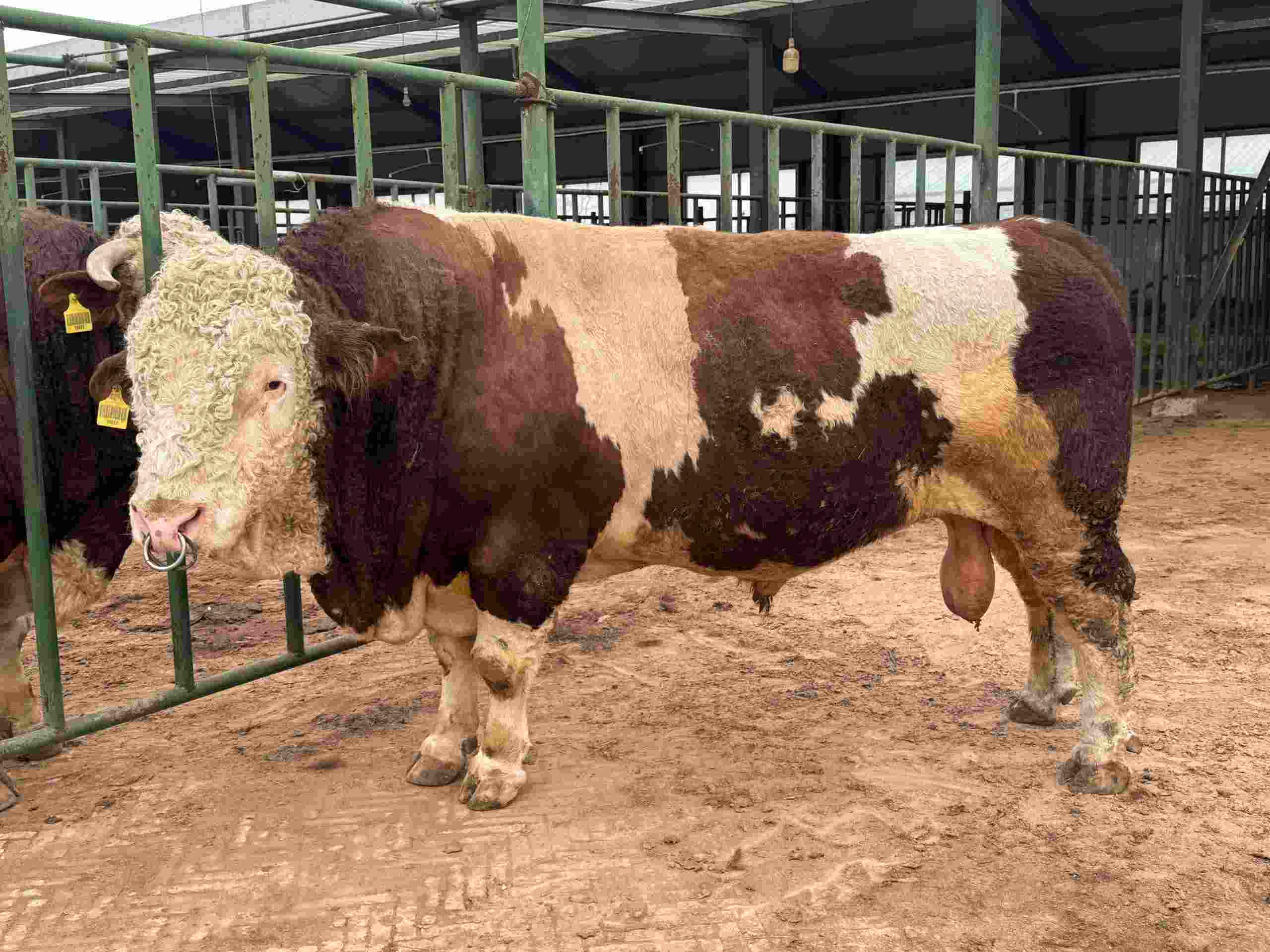
Agriculture has always required careful planning, hard work, and significant capital investment. Today’s livestock producers face even greater challenges than previous generations, including rising feed costs, labor shortages, fluctuating commodity prices, evolving animal welfare standards, and increasing consumer demand for efficiency and sustainability. To remain competitive, many farms are investing in modern facilities, advanced equipment, and digital technologies that improve productivity while reducing long-term operating expenses.
Financing allows agricultural businesses to make these important investments without exhausting working capital. Whether upgrading dairy equipment, adopting precision technologies, or expanding livestock facilities, access to financing enables producers to grow while maintaining financial stability.
This guide explores several financing solutions that support modern livestock operations and help producers prepare for long-term success.
Operating a livestock business involves continuous investment throughout the year.
Common expenses include:
Many of these expenses occur long before livestock begin generating revenue.
Financing allows producers to spread large investments over time while preserving cash flow for everyday operations.
Every livestock enterprise has unique financial needs depending on the species being raised and the size of the operation.
Financing a livestock operation helps producers obtain capital for projects that improve production capacity and operational efficiency.
Common financing uses include:
Whether raising dairy cattle, beef cattle, sheep, goats, poultry, or swine, financing provides flexibility for expanding production while maintaining healthy working capital.
Successful livestock producers rarely expand overnight.
Most operations grow gradually by investing in:
Each investment contributes to greater productivity while increasing the long-term value of the business.
Developing a long-term investment strategy helps producers prioritize improvements based on expected return on investment.
The dairy industry has experienced significant technological advancements over the past two decades.
Many modern dairy farms now utilize:
These technologies improve efficiency while reducing labor requirements.
Installing robotic milking equipment represents one of the largest technology investments many dairy producers will ever make.
Robotic milking system financing allows dairy farms to acquire advanced milking systems while spreading costs across many years of operation.
Modern robotic systems often include:
These systems allow cows to be milked according to their natural schedules, which may improve both production and animal welfare.
Financing makes these significant investments more manageable without requiring large upfront cash expenditures.
Many producers adopt robotic systems because they provide numerous operational advantages.
Potential benefits include:
Automation reduces dependence on manual labor.
Digital systems continuously collect production and health information.
Automated monitoring detects abnormalities more quickly.
Farm managers spend more time analyzing production data instead of performing repetitive manual tasks.
These improvements frequently contribute to greater operational efficiency over the life of the equipment.
Technology has become equally important in livestock production.
Modern livestock operations increasingly depend on:
These innovations improve management while reducing unnecessary expenses.
Technology investments continue becoming more important across every agricultural sector.
Agricultural technology loans help producers acquire equipment and digital tools that improve decision-making and operational efficiency.
Eligible investments may include:
Technology allows producers to collect valuable information that improves productivity while reducing waste.
Investments in agricultural technology often provide long-term returns.
Common advantages include:
Many farms recover technology investments through increased productivity and reduced operating expenses.
Technology alone does not guarantee success.
Profitable livestock operations also depend upon:
Combining financial discipline with strategic investments creates a stronger agricultural business.
Agriculture continues evolving through innovation and automation.
Producers who invest strategically today often position themselves for greater profitability tomorrow.
Planning capital improvements over multiple years allows farms to modernize gradually while maintaining financial flexibility and reducing operational risk.
Agricultural operations continue becoming more data-driven every year. Livestock producers now rely on digital recordkeeping, cloud-based management systems, automated monitoring equipment, and advanced analytics to improve productivity while reducing operating costs. At the same time, many successful farms are expanding their facilities to meet increasing demand for livestock products.
Strategic financing allows producers to invest in both technology and physical expansion while maintaining the cash flow necessary for everyday operations.
Today’s livestock operations generate enormous amounts of information.
Modern farms monitor:
Managing this information efficiently has become essential for long-term success.
Digital management systems have become valuable tools for farms of every size.
Farm software financing helps producers purchase software platforms that improve operational efficiency and business management.
Software commonly includes:
These systems reduce paperwork while giving producers real-time access to important operational information.
Many software providers also offer cloud-based platforms that simplify collaboration between owners, employees, veterinarians, nutritionists, and accountants.
Digital farm management offers several advantages.
Electronic records simplify reporting and regulatory compliance.
Software provides real-time cash flow and profitability reports.
Digital health records improve treatment tracking and breeding management.
Automated reporting reduces administrative work while improving decision-making.
These improvements often allow producers to focus more time on production and less on paperwork.
Many successful livestock businesses eventually outgrow their existing facilities.
Expansion projects may include:
Growth should occur only after careful financial planning.
Growth requires substantial capital, particularly for large agricultural operations.
Farm expansion financing helps producers invest in facilities and infrastructure needed to increase production capacity.
Common expansion projects include:
Financing allows producers to complete major projects while preserving operating capital for seasonal expenses.
Successful agricultural businesses typically expand in stages.
A strategic growth plan may include:
This phased approach often reduces financial risk while allowing steady business growth.
Although lender requirements differ, several factors commonly influence approval decisions.
Strong repayment history improves financing opportunities.
Lenders often evaluate management experience and operational success.
Applications typically include:
Collateral may include:
Organized financial records frequently speed the approval process.
Every farming operation encounters uncertainty.
Common risks include:
Risk management strategies include:
Well-managed farms remain better prepared during difficult production years.
The following chart illustrates one example of how a growing livestock operation might allocate financing across major investment categories.
Illustrative allocation of financing across major livestock business investments.
This chart is provided for educational purposes only and should not be interpreted as financial or investment advice.
Yes. Many lenders finance equipment, automation, monitoring systems, and digital management tools designed to improve productivity.
Many agricultural lenders offer financing for new barns, livestock housing, feed storage, utility improvements, and other expansion projects.
Farm management software helps producers monitor expenses, track production, improve recordkeeping, and make better business decisions.
Comparing financing options can help identify repayment terms and loan structures that best fit your operation.
Most lenders request tax returns, financial statements, cash flow projections, equipment inventories, and a business plan outlining how financing will support your agricultural goals.
Strengthen your site’s SEO by linking this article to:
For additional information about agricultural financing and farm management, explore these trusted organizations:
Modern livestock farming depends on careful planning, strategic investments, and the ability to adapt to changing technology and market conditions. Financing gives producers the flexibility to invest in digital tools, facility improvements, and business expansion while preserving the working capital needed for day-to-day operations.
Whether investing through Financing a livestock operation, robotic milking system financing, agricultural technology loans, farm software financing, or farm expansion financing, today’s financing solutions help producers improve efficiency, increase productivity, and build stronger agricultural businesses. By combining responsible borrowing with long-term planning, livestock operations can remain competitive and profitable for generations to come.