Sheep farm loans, barn financing, agricultural business financing, agricultural property financing, and tractor loans help farmers invest in livestock facilities, farmland, essential equipment, and infrastructure needed to build efficient and profitable agricultural operations.
These financing solutions provide the capital required to expand sheep farming, construct durable barns, purchase productive farmland, acquire reliable tractors, and support the long-term growth of agricultural businesses.
Agribusiness loans are designed to support farmers, producers, and agricultural businesses with the capital needed to operate, expand, and improve productivity. Whether you are managing seasonal cash flow, purchasing land, upgrading machinery, or investing in livestock, our financing solutions are structured to match the unique cycles of agriculture.
We understand that farming is not a fixed-income business. That’s why our lending approach focuses on flexibility, seasonal repayment options, and long-term financial stability for agribusiness operators.
Long-term financing for major investments like land, infrastructure, and expansion projects.
Flexible access to funds whenever your business needs working capital.
Designed to support farming cycles, covering input costs before harvest revenue arrives.
Purchase new or used agricultural machinery with structured repayment plans.
Funding for buying, breeding, and expanding livestock operations.
Industry-focused agricultural financing experts
Flexible repayment plans aligned with crop cycles
Competitive interest rate structures
Fast approval and simple application process
Funding for both small farms and large agribusiness operations
Personalized financial support and advisory
Improve farm productivity and efficiency
Expand agricultural operations and land ownership
Maintain stable cash flow during off-season periods
Invest in modern technology and equipment
Strengthen long-term business growth
Reduce financial pressure during seasonal cycles
Farmers and agricultural landowners
Agribusiness companies of all sizes
Livestock and dairy operators
Agricultural processors and suppliers
Rural business owners involved in food
Affiliate Disclosure: We are an affiliate marketing website and may receive compensation from lending partners. We are not a lender, do not make credit decisions, and do not guarantee approval. Loan terms and rates are determined by individual lenders.
They can be used for land purchase, equipment, livestock, farm expansion, and working capital.
Yes, repayment structures can be aligned with agricultural income cycles.
Approval time depends on documentation, but flexible fast-track options are available.
Yes, both small and large agribusinesses are eligible.
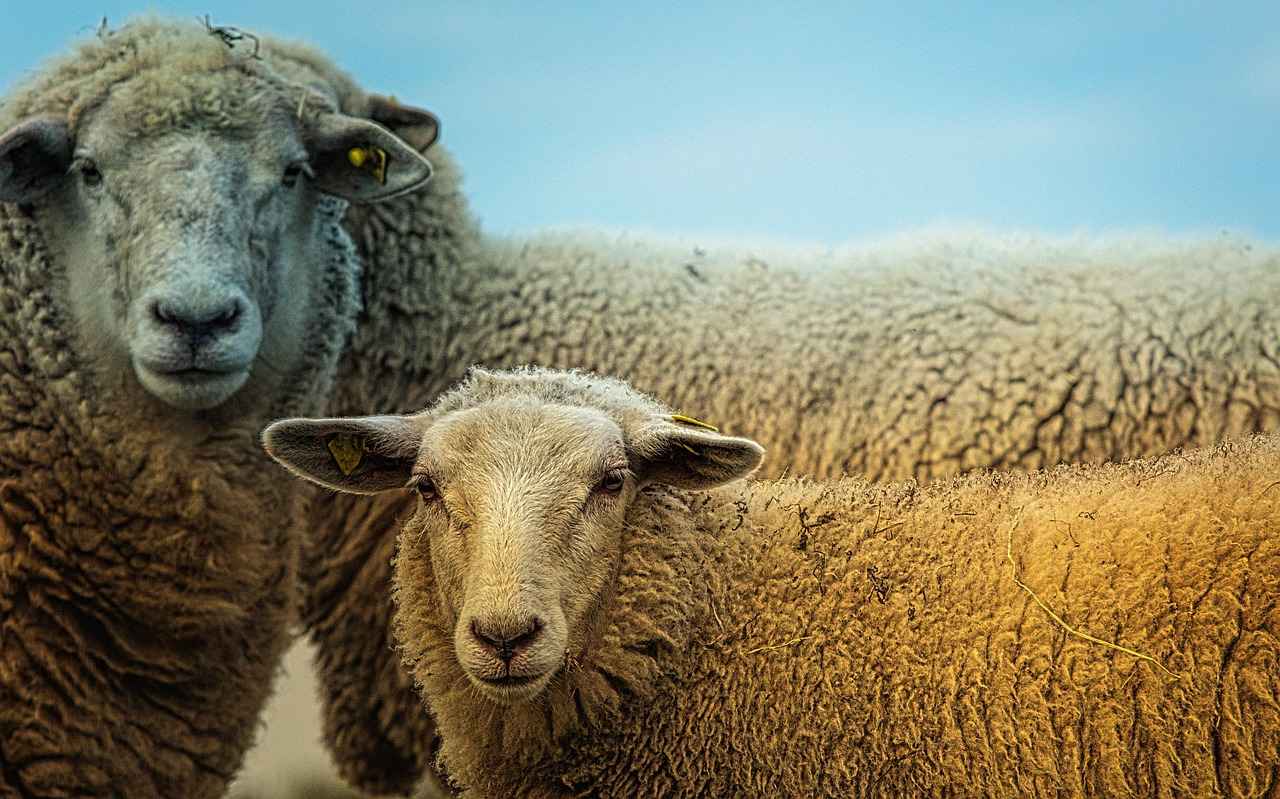
Sheep farming has supported agricultural communities for centuries, providing wool, meat, milk, breeding stock, and grazing services across a wide variety of climates. Today, modern sheep producers face new opportunities along with new challenges. Rising land prices, increasing equipment costs, labor shortages, changing consumer demand, and unpredictable weather all require producers to make careful financial decisions.
Access to financing allows farmers to modernize their operations while protecting valuable working capital. Whether constructing new barns, purchasing additional livestock, expanding grazing acreage, or upgrading equipment, financing helps producers improve efficiency and build profitable businesses designed for long-term success.
This guide explores the financing options available to sheep producers and explains how strategic investments can strengthen an agricultural operation for generations.
Sheep farming remains an important sector of agriculture because it offers multiple income opportunities.
Many sheep operations generate revenue through:
Diversifying income sources often helps reduce financial risk while improving long-term profitability.
Although sheep farming can be rewarding, producers often encounter significant startup and expansion costs.
Common expenses include:
Many of these expenses occur long before livestock begin generating consistent income.
Financing helps producers spread these costs over time while maintaining healthy operating cash flow.
Starting or expanding a sheep operation requires careful financial planning.
Sheep farm loans provide producers with capital for projects that improve productivity and increase long-term profitability.
Common uses include:
Because sheep operations often grow gradually, financing allows producers to expand without exhausting available cash reserves.
Successful sheep farms rarely become large overnight.
Instead, growth usually occurs through steady investments in:
Careful planning allows producers to prioritize improvements that generate the greatest return on investment.
Livestock facilities play a critical role in successful sheep production.
Proper barns protect animals from:
Barns also provide safe locations for:
Well-designed facilities improve both productivity and animal welfare.
Constructing or renovating livestock buildings often represents one of the largest investments a producer will make.
Barn financing allows farmers to spread construction costs across many years while preserving working capital.
Projects commonly financed include:
Modern barns frequently include:
These improvements reduce labor while creating healthier environments for livestock.
New agricultural buildings provide several important advantages.
Proper ventilation and shelter improve overall flock health.
Well-designed layouts reduce daily labor requirements.
Indoor storage extends equipment life by reducing weather exposure.
Comfortable animals generally experience less stress and improved performance.
These benefits often continue for decades after construction.
Every successful livestock operation functions as both a farm and a business.
Owners must carefully manage:
Strong financial management remains just as important as quality animal care.
Growth often requires investments beyond livestock and buildings.
Agricultural business financing provides producers with capital needed to strengthen every aspect of their farming operation.
Financing may support:
These investments help producers improve efficiency while positioning the operation for future growth.
One of the greatest advantages of financing is flexibility.
Rather than making large cash purchases, producers can:
Responsible borrowing helps farms remain financially stable while continuing to modernize.
Many sheep farms remain family-owned for multiple generations.
Long-term investments in:
often continue benefiting future owners long after financing has been repaid.
Developing a multi-year capital improvement plan helps producers prioritize projects that create lasting value while reducing financial risk.
Agriculture continues changing through technology, improved genetics, automation, and evolving consumer demand.
Sheep producers who invest strategically today are often better prepared to compete tomorrow.
Careful planning, disciplined financial management, and smart investments provide the foundation for a resilient agricultural business capable of adapting to future opportunities and challenges.
As sheep farming operations mature, growth often depends on expanding grazing acreage, improving infrastructure, and investing in reliable equipment. While healthy livestock remains the foundation of every successful operation, the land they graze and the machinery used to maintain that land are equally important.
Strategic financing allows producers to acquire these long-term assets while preserving working capital for feed, veterinary care, labor, and seasonal operating expenses.
Land remains one of agriculture’s most valuable assets.
Quality agricultural property provides:
Many producers eventually reach a point where purchasing additional acreage becomes more economical than leasing pasture.
Purchasing farmland often represents one of the largest investments an agricultural business will make.
Agricultural property financing helps producers acquire land while spreading payments over many years.
Common purchases include:
Owning land provides producers with greater operational control while building long-term equity.
Unlike many assets, productive farmland has historically maintained its value over extended periods, making it an important long-term investment.
Land ownership offers numerous advantages.
Ownership eliminates uncertainty associated with expiring leases.
Agricultural land often becomes more valuable over time.
Additional acreage supports larger flocks and diversified production.
Owned land frequently strengthens future borrowing opportunities.
These advantages make farmland one of agriculture’s most valuable long-term investments.
Even the healthiest flock depends upon reliable machinery.
Daily farm operations often require:
Reliable equipment reduces labor while increasing operational efficiency.
The tractor remains one of the most important pieces of equipment on any livestock farm.
Tractor loans allow producers to purchase machinery without making a large upfront cash investment.
Equipment commonly financed includes:
Selecting equipment that matches the operation’s size helps maximize productivity while controlling ownership costs.
Every operation has unique equipment needs.
Factors to evaluate include:
Choose equipment appropriate for field size and workload.
Consider attachments needed throughout the year.
Lower operating costs improve long-term profitability.
Reliable service and parts availability reduce downtime.
Making informed equipment decisions helps maximize the value of financing investments.
Successful sheep producers often expand gradually through multiple investments.
Examples include:
Completing projects in phases often reduces financial risk while maintaining steady business growth.
Although lending requirements vary, most lenders evaluate similar information.
Strong repayment history generally improves financing opportunities.
Management experience demonstrates operational capability.
Applicants should prepare:
Collateral commonly includes:
Maintaining organized financial records often simplifies the application process.
Every livestock business faces uncertainty.
Common risks include:
Risk management strategies include:
Strategic financing helps farms respond more effectively to changing conditions.
The chart below illustrates how a growing sheep farming operation might allocate financing across major investment categories.
Illustrative allocation of financing across major sheep farming investments.
This chart is intended for educational purposes only and does not constitute financial or investment advice.
Yes. Many lenders offer financing programs for beginning farmers with well-prepared business plans and sufficient financial documentation.
Many agricultural lenders offer financing that supports multiple projects, depending on the operation and borrower qualifications.
Yes. Many lenders finance both new and used agricultural equipment, subject to age, condition, and value requirements.
Comparing lenders can help identify competitive interest rates, repayment terms, and financing structures that best fit your operation.
Prepare tax returns, financial statements, production records, equipment inventories, land information, and a business plan describing how the financing will support your operation.
Improve your website’s SEO by linking this article to:
For additional information about agricultural finance and farm management, visit:
Building a successful sheep farming business requires more than healthy livestock. Long-term profitability depends on investing in quality land, dependable equipment, durable infrastructure, and sound financial management. Financing gives producers the flexibility to grow steadily while preserving cash flow for daily operations.
Whether using sheep farm loans, barn financing, agricultural business financing, agricultural property financing, or tractor loans, today’s financing options help farmers strengthen their operations, expand responsibly, and prepare for future opportunities. By combining strategic investments with disciplined financial planning, sheep producers can build resilient businesses that continue serving their families and communities for generations.