
Seasonal farm financing, crop production loans, agricultural funding providers, livestock expansion financing, and greenhouse crop financing help farmers secure the capital needed to manage seasonal expenses, increase production, expand livestock operations, and invest in protected growing environments.
By working with trusted financing partners, agricultural producers can use these funding solutions to improve cash flow, strengthen their operations, and support sustainable long-term growth across a wide range of farming activities.
Agribusiness loans are designed to support farmers, producers, and agricultural businesses with the capital needed to operate, expand, and improve productivity. Whether you are managing seasonal cash flow, purchasing land, upgrading machinery, or investing in livestock, our financing solutions are structured to match the unique cycles of agriculture.
We understand that farming is not a fixed-income business. That’s why our lending approach focuses on flexibility, seasonal repayment options, and long-term financial stability for agribusiness operators.
Long-term financing for major investments like land, infrastructure, and expansion projects.
Flexible access to funds whenever your business needs working capital.
Designed to support farming cycles, covering input costs before harvest revenue arrives.
Purchase new or used agricultural machinery with structured repayment plans.
Funding for buying, breeding, and expanding livestock operations.
Industry-focused agricultural financing experts
Flexible repayment plans aligned with crop cycles
Competitive interest rate structures
Fast approval and simple application process
Funding for both small farms and large agribusiness operations
Personalized financial support and advisory
Improve farm productivity and efficiency
Expand agricultural operations and land ownership
Maintain stable cash flow during off-season periods
Invest in modern technology and equipment
Strengthen long-term business growth
Reduce financial pressure during seasonal cycles
Farmers and agricultural landowners
Agribusiness companies of all sizes
Livestock and dairy operators
Agricultural processors and suppliers
Rural business owners involved in food
Affiliate Disclosure: We are an affiliate marketing website and may receive compensation from lending partners. We are not a lender, do not make credit decisions, and do not guarantee approval. Loan terms and rates are determined by individual lenders.
They can be used for land purchase, equipment, livestock, farm expansion, and working capital.
Yes, repayment structures can be aligned with agricultural income cycles.
Approval time depends on documentation, but flexible fast-track options are available.
Yes, both small and large agribusinesses are eligible.
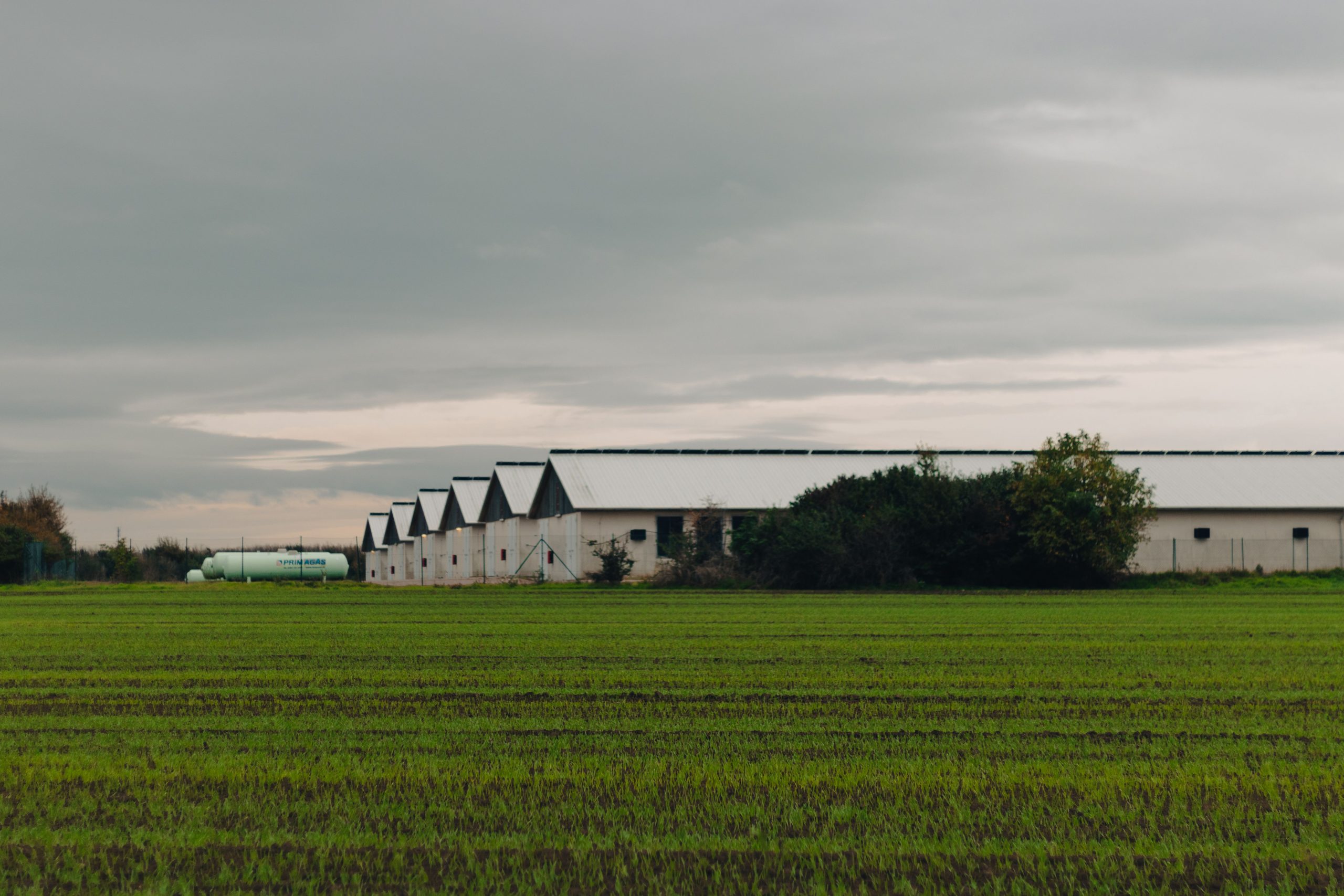
Agriculture operates on a unique financial cycle. Farmers often spend thousands—or even millions—of dollars months before earning income from their crops or livestock. Seeds must be planted, fertilizer applied, equipment repaired, employees paid, and irrigation systems maintained long before harvest begins. Because of this gap between expenses and revenue, access to financing has become an essential part of modern farming.
Whether managing a small family farm or a large commercial operation, producers rely on financing to maintain productivity, improve efficiency, and prepare for long-term growth. From planting season to harvest, financial resources help agricultural businesses remain competitive while adapting to changing weather, fluctuating commodity prices, and increasing operating costs.
This guide explores several financing solutions that help farmers maintain stable operations throughout the production cycle while positioning their businesses for future success.
Unlike many businesses that receive consistent monthly income, farms often experience seasonal cash flow.
Expenses occur throughout the year, including:
Meanwhile, revenue may not arrive until crops are harvested or livestock are sold.
Financing helps bridge this gap while allowing producers to continue operating efficiently.
Today’s producers face increasing financial pressures.
Common challenges include:
Despite these challenges, agriculture continues offering strong long-term opportunities for well-managed operations that invest strategically.
Managing agricultural cash flow requires flexibility.
Seasonal farm financing provides producers with funding that supports operations during planting, growing, and harvesting seasons before farm income is received.
Common uses include:
Rather than delaying important purchases, financing allows farms to remain productive throughout the growing season.
Well-managed financing creates numerous operational advantages.
Operating expenses can be paid when they occur.
Farmers can purchase supplies when market conditions are favorable.
Reliable financing minimizes disruptions during periods of delayed revenue.
Producers can focus on production instead of short-term cash shortages.
Maintaining financial flexibility often becomes one of the greatest competitive advantages in agriculture.
Crop production involves far more than planting seed.
Modern farms invest in:
Each investment contributes toward maximizing crop yield and profitability.
Growing healthy crops requires continuous investment throughout the production cycle.
Crop production loans provide capital for expenses associated with producing high-quality agricultural products.
Typical uses include:
Because production expenses occur well before harvest income, these loans help maintain uninterrupted operations.
Many producers repay financing after crops are marketed.
Successful crop production depends upon careful planning.
Important management practices include:
Understanding nutrient levels improves fertilizer efficiency.
Proper irrigation improves crop consistency.
Reliable equipment reduces downtime during critical production periods.
Accurate production records improve future planning and financial management.
These practices often contribute to stronger long-term profitability.
Agricultural financing is available from many different sources.
These include:
Each organization offers different products designed to meet specific agricultural needs.
Selecting the right lender can significantly influence the success of a financing strategy.
Agricultural funding providers offer financing solutions tailored to the unique cash flow patterns and investment needs of farming operations.
Available financing may include:
Comparing financing options helps producers identify repayment structures that best match their operational goals.
Every successful agricultural business depends upon sound financial management.
Important practices include:
Combining these practices with strategic financing creates stronger, more resilient farming operations.
Agriculture continues evolving through technology, automation, and changing consumer demand.
Producers who invest strategically today often become better positioned to remain competitive tomorrow.
Developing a long-term capital improvement plan allows farmers to prioritize investments that increase productivity while protecting financial stability through changing market conditions.
Agricultural businesses often diversify over time to increase revenue and reduce risk. Many crop producers add livestock enterprises, while others invest in greenhouse production to extend growing seasons and reach higher-value markets. These expansion projects require careful planning, dependable financing, and a long-term vision that balances growth with financial stability.
Strategic financing allows producers to pursue new opportunities while maintaining the working capital needed to support day-to-day farm operations.
Diversification has become one of the most effective ways to strengthen agricultural businesses.
Expanding operations may provide:
Thoughtful expansion helps farms remain competitive while adapting to changing markets.
Many crop producers eventually introduce livestock to diversify income and improve farm sustainability.
Livestock expansion financing provides capital for projects that increase animal production while improving operational efficiency.
Common investments include:
These improvements help producers increase production while creating additional revenue opportunities throughout the year.
Adding livestock offers several important advantages.
Livestock sales reduce dependence on a single crop.
Pastures and crop residue can often be utilized more efficiently.
Proper grazing practices may contribute to healthier soils.
Multiple revenue sources help reduce exposure to commodity price fluctuations.
Many successful farms combine crop and livestock production to strengthen financial performance.
Consumer demand for fresh produce throughout the year continues increasing.
Greenhouse operations allow producers to grow crops regardless of outdoor weather conditions.
Common greenhouse crops include:
Controlled growing environments improve production consistency while extending marketing opportunities.
Constructing and operating greenhouses requires specialized equipment and infrastructure.
Greenhouse crop financing helps producers invest in facilities that support year-round production.
Financing may be used for:
Modern greenhouse technology allows producers to maximize yields while reducing weather-related production risks.
Controlled-environment agriculture provides numerous advantages.
Many crops can be produced well beyond traditional outdoor growing periods.
Controlled environments improve consistency and reduce weather damage.
Modern greenhouses optimize water, nutrients, and energy usage.
Year-round production allows growers to access premium markets during off-season periods.
These benefits often improve profitability over the life of the greenhouse investment.
Many agricultural businesses successfully integrate multiple enterprises.
Examples include:
Diversification often reduces financial risk while improving long-term business resilience.
Although lending standards vary, most agricultural lenders evaluate similar criteria.
Strong repayment history generally improves financing opportunities.
Management experience demonstrates operational capability.
Applicants should prepare:
Collateral commonly includes:
Maintaining organized financial records frequently simplifies the financing process.
Agriculture remains one of the most unpredictable industries.
Common risks include:
Effective risk management strategies include:
Careful planning allows agricultural businesses to respond more effectively to changing conditions.
The following example illustrates how a diversified agricultural operation might allocate financing across major investment categories.
Illustrative allocation of financing across major agricultural investments.
This chart is for educational purposes only and should not be considered financial or investment advice.
Yes. Many agricultural lenders offer financing programs that support diversified farming operations with both crop and livestock enterprises.
Many lenders finance greenhouse construction, climate-control systems, irrigation equipment, lighting, and other controlled-environment agriculture improvements.
Diversification can reduce financial risk by creating multiple income streams, but every expansion should be evaluated based on market demand, available resources, and financial capacity.
Compare financing options by reviewing interest rates, repayment terms, loan flexibility, customer service, and experience with agricultural businesses.
Most lenders request tax returns, financial statements, production records, equipment inventories, land information, and a business plan explaining how the financing will support your operation.
Strengthen your site’s SEO by linking this article to:
For additional agricultural financing and farm management information, visit:
Long-term agricultural success depends on maintaining financial flexibility while investing in opportunities that improve productivity and profitability. Whether expanding livestock operations, building greenhouse facilities, or managing seasonal expenses, financing provides producers with the resources needed to grow responsibly without disrupting day-to-day operations.
By using Seasonal farm financing, crop production loans, agricultural funding providers, livestock expansion financing, and greenhouse crop financing, farmers can strengthen cash flow, diversify revenue, modernize production systems, and position their agricultural businesses for sustainable success. Thoughtful financial planning, disciplined management, and strategic investments help create resilient farming operations capable of thriving for generations.