The Complete Guide to Pole Barn Financing in 2026: Rates, Options, and How to Qualify
If you are planning a new workshop, equipment shed, or livestock shelter, securing pole barn financing is often the biggest hurdle. The structure itself might be straightforward, but paying for it upfront with cash is a luxury few property owners have. This guide breaks down every option available in 2026 so you can match the right loan to your credit score, your equity situation, and the actual size of your project. We are not reviewing builders here. This is a lender strategy guide, built to help you compare real numbers, real timelines, and the fine print most articles skip entirely.
Table of Contents
Why Pole Barn Financing Is Different from a Standard Home Loan
Credit Score and Eligibility Requirements: What You Need to Qualify
Why Pole Barn Financing Is Different from a Standard Home Loan
A traditional mortgage lender looks at a house with a kitchen, bathrooms, and bedrooms and sees a safe, sellable asset. That same lender often looks at a pole barn and sees a risk they do not want to touch. Most conventional mortgage programs simply will not finance a non-dwelling structure, which means the financing path you take has to be purpose-built for this kind of project.
The complications multiply if your barn sits on leased land or agricultural property. Title requirements get murky, and the collateral the lender would normally lean on is not as clean as a suburban lot with a single-family home. Construction loans for pole barns also tend to carry shorter terms and demand a higher down payment, typically 10 to 30 percent, compared to what you would put down on a primary residence mortgage.
The good news is that the lending market has adapted. The rise of unsecured personal loans, offered by companies like HFS Financial, has filled a major gap for borrowers who either rent their land or simply do not want to tie their house to the barn loan. Most programs today allow borrowing up to $100,000 or even $450,000, though the average pole barn project costs far less. Borrow only what you need. A higher loan amount does not mean a better barn; it means a longer repayment schedule and more interest out of your pocket.
The 5 Main Types of Pole Barn Financing (2026 Comparison)
1. Unsecured Personal Loans (No Equity Required)
An unsecured personal loan is the fastest route to funding and the best fit for renters, for property owners with little home equity, or for anyone who refuses to put a lien on their house. HFS Financial connects borrowers with lenders offering up to $450,000 for pole barn projects, and funds can be available within 48 hours of approval. LightStream, another major player in this space, advertises rates starting at 6.99 percent APR with AutoPay, though the full range stretches to 20.94 percent APR depending on your credit profile.
The major advantage here is speed and simplicity. No appraisal, no home equity, no lien on your property. You apply, you get a decision, and you get funded. The trade-off is the interest rate. Unsecured loans are riskier for the lender, so they price that risk into your rate. Terms typically run from one to seven years, which means higher monthly payments than you would see on a secured loan stretched over 15 or 30 years. If your credit score is strong and you want the barn built without delay, this is a clean, efficient choice. If your score is borderline, the APR can climb fast, so compare carefully.
2. Home Equity Loans and HELOCs (Secured by Your Home)
If you own your home and have built up at least 20 percent equity, a home equity loan or a home equity line of credit will almost always give you a lower interest rate than an unsecured personal loan. Morton Buildings, for example, allows borrowers to finance up to 75 percent of the combined value of the building and the land when using a commercial loan structure, and the same principle applies on the residential side with home equity products.
There is a potential tax advantage here that most pole barn financing articles ignore. Interest on a home equity loan or HELOC may be deductible if the funds are used for a substantial improvement to the property. A pole barn that adds permanent value to your land could qualify. This is not tax advice, and you need to sit down with a CPA before you count on a deduction, but it is a conversation worth having.
The risk is real and worth stating plainly. Your home is the collateral. If the barn project goes sideways or your income takes a hit and you cannot make payments, the lender can foreclose. Terms on home equity loans often run from 10 to 30 years, which keeps monthly payments manageable, but that long runway also means more total interest paid over time. Weigh the lower rate against the higher stakes.
3. Agricultural and Farm Loans (For Income-Producing Barns)
Farmers, ranchers, and commercial agricultural operators have access to a financing category that hobbyists and homeowners do not. Agricultural loans are designed specifically for income-producing structures: hay storage, livestock shelters, equipment barns, and processing facilities. Sources include Farm Credit Services institutions, local agricultural banks, and specialized lenders like AgriFinancial Services, which partners with Morton Buildings to offer lease financing for farm structures.
Lease financing is a unique angle worth understanding. Instead of borrowing to own, you lease the building, which can create tax benefits through depreciation and expense deductions that a standard loan does not offer. This is strictly for commercial agricultural operations, not for a backyard shop, but if you are running a working farm, the lease structure can improve cash flow and simplify your tax picture.
Down payment requirements on agricultural loans are often lower, sometimes 10 to 15 percent, for qualified farmers with a documented history of profitable operation. The catch is the definition of qualified. A hobby farm with a few acres and no significant revenue will not meet the underwriting standards of an agricultural lender. You will need to show farm income, operational history, and a clear business purpose for the building. If you can clear that bar, the rates and terms are hard to beat.
4. Construction Loans (Two-Time Close)
For large custom builds, especially those exceeding $100,000, or for post-frame homes that will serve as a primary residence, a construction loan is the standard tool. Morton Buildings, through a partnership with New Century Bank, offers a two-time close construction loan specifically for post-frame homes. This structure splits the financing into two phases: a construction loan that covers the build, followed by a permanent mortgage once the building is complete.
The two-time close model avoids the refinancing fees that a single-close construction loan would trigger when converting to permanent financing. Morton advertises a 24-month build-out window, which gives you breathing room if weather or contractor schedules delay the project. Draws are paid to the builder as work is completed and inspected, so the lender manages disbursement rather than handing you a lump sum.
Credit score requirements are stricter here. Most construction lenders want to see at least a 680, though some will stretch to 620 if you bring a larger down payment and a clean debt-to-income ratio. The builder must also be approved by the lender, so if you are hiring a local contractor rather than a national company like Morton, confirm early that your builder meets the lender’s standards.
5. Builder-Specific Financing (Morton, Timberline, Diamond State)
Many large pole barn builders advertise financing, but it is important to understand what that actually means. These are not in-house loans. Morton, Timberline, Diamond State, and others partner with third-party lenders like LightStream, HFS Financial, and local banks. The builder acts as a referral source, not a lender.
The convenience is real. You are already sitting with a sales representative, working through your building specs, and they can hand you a financing application on the spot. The risk is that convenience can blind you to cost. The builder’s recommended lender may not offer the best rate or the most favorable terms for your specific situation. You can often get a better deal by shopping independently, using the builder’s quote as one data point among several.
One program worth knowing about is LightStream’s Rate Beat Program. If you receive a qualifying rate offer from a competitor, LightStream may beat it by 0.10 percentage points. This is not a gimmick, but it does require you to have a competing offer in hand. Before you sign with the builder’s financing partner, take 48 hours to get quotes from at least two other lenders. The savings over a 10-year term can run into the thousands.
How Much Can You Borrow? Loan Amounts and Down Payments
Loan maximums vary widely by lender and loan type. HFS Financial goes up to $450,000 for unsecured personal loans, though most pole barn projects require far less. FBi Buildings caps borrowing at $100,000 with no prepayment penalties. Morton Buildings, through LightStream, offers up to $100,000 for residential outbuildings, while commercial projects can reach 75 percent of the combined building and land value.
Down payments are a critical variable. Timberline Buildings states plainly that most programs require 10 to 30 percent down, and the exact number depends on your credit score and the loan type. A borrower with a 720 credit score and low debt-to-income ratio might put down 10 percent. A borrower at 640 might need 25 or 30 percent to get the loan approved.
The cost of the barn itself drives the loan amount, and that cost is shaped by building size, materials, site preparation, and optional features. A basic steel pole barn on flat, cleared land costs far less than a custom wood-frame structure with insulation, windows, roll-up doors, and a full concrete slab. Get a detailed contractor estimate before you apply. Lenders will ask for it, and you need to know the real number, not a rough guess. A pole barn financing calculator can help you estimate monthly payments once you have your rate, term, and down payment figures, but the calculator is only as good as the cost estimate you feed it.
Credit Score and Eligibility Requirements: What You Need to Qualify
The credit score sweet spot for pole barn financing is 680. At that level, most loan types and lenders are available to you, and you will see competitive rates. Some lenders will accept a 620, particularly for construction loans or secured products, but expect a higher down payment and a higher interest rate to compensate for the risk.
If your score is below 620, your options narrow considerably. Unsecured personal loans become expensive or unavailable. A co-signer with strong credit can open doors that would otherwise stay closed. A secured loan, backed by home equity or another asset, may still be possible if the collateral is strong enough. Another practical path is to save aggressively for a larger down payment, reducing the loan amount and the lender’s exposure. There is no magic product that makes bad credit disappear, but a larger down payment and a co-signer are the two most reliable workarounds.
Debt-to-income ratio matters just as much as credit score. Most lenders want to see a DTI below 43 percent, and construction lenders are often stricter, preferring 36 percent or lower. Income verification is standard. W-2 employees provide pay stubs and tax returns. Self-employed borrowers and farm operators need to show two years of tax returns and, for agricultural loans, documented farm revenue. If your income is irregular or heavily seasonal, be prepared to explain that to the underwriter.
One eligibility factor that trips up many first-time applicants is the no-equity question. If you do not own a home, or if your home equity is minimal, unsecured personal loans from HFS Financial and similar lenders bypass the equity requirement entirely. You do not need an appraisal, and you do not need to own land. This is the single biggest structural change in pole barn financing over the last decade, and it has made barn ownership possible for renters and small-acreage lessees who were previously shut out.
Step-by-Step Application Process: From Inquiry to Funding
The application process moves faster than most borrowers expect, especially on the unsecured personal loan side. Here is the sequence, step by step.
Step one: inquire and compare. Contact two or three lenders across different loan types. Get a personal loan quote from LightStream or HFS Financial, a HELOC quote from your local credit union, and, if you qualify, an agricultural loan quote from a Farm Credit institution. Do not apply formally yet. Just gather rate ranges and term options.
Step two: prequalify. Most lenders now offer a soft credit pull that shows you real rate offers without impacting your credit score. This is the moment to narrow your choices to one or two lenders based on actual numbers, not marketing language.
Step three: verify. Submit your documentation. That means income verification, government ID, and a detailed contractor estimate or building plan. If you are using a construction loan, the lender will also need to approve your builder.
Step four: get funded. For unsecured personal loans, same-day qualification is common, and funds can land in your account within 48 hours. Construction loans take longer, typically two to four weeks, because of the builder approval and draw schedule setup. If you are working with a builder like Morton, ask whether they offer a rate lock during the build-out period. Rising rates during a six-month construction timeline can change your monthly payment materially, and a rate lock eliminates that variable.
5 Critical Gaps Most Articles Miss (What You Need to Know)
1. Tax Implications of Pole Barn Financing
Most guides skip taxes entirely, which is a mistake. Interest on a HELOC used for a substantial property improvement may be deductible. Agricultural loans and lease financing can open up depreciation schedules that reduce your taxable farm income. The rules are fact-specific and change with tax code updates, so the only responsible advice is to consult a CPA before you close. Bring your loan documents and your building plans to that meeting. The tax treatment could shift which loan type is cheapest on an after-tax basis.
2. Insurance Requirements
Lenders often require proof of insurance before they release funds, and the requirement does not end when construction wraps. During the build, you may need builder’s risk insurance, which covers theft of materials, vandalism, and weather damage to a partially completed structure. Once the barn is finished, standard property insurance takes over. Confirm the insurance requirement with your lender early, and get a quote from your agent before you sign the loan. An unexpected insurance premium can blow a tight budget.
3. State and Local Zoning Laws
Your lender may require proof of a building permit before funding, especially for larger structures or post-frame homes. Zoning laws vary by county, and some jurisdictions restrict pole barn size, height, or use. Check with your local planning department before you apply for financing. A denied permit after loan approval is a mess you do not want to untangle.
4. Refinancing Your Pole Barn Loan
If you used a construction loan to build the barn, you can refinance into a permanent mortgage once the structure is complete. This is standard practice for post-frame homes and large commercial builds. Even if you used a personal loan or HELOC, rates change, and your credit may improve over time. Watch for prepayment penalties in your loan agreement. Some personal loans penalize early payoff, which would eat into the savings of a refinance. Read the fine print before you sign, not after.
5. Building in Stages as a Budget Strategy
A practical tip that rarely appears in lender content: build the shell this year and finish the interior next year. This spreads the cost across two budget cycles, reduces the initial loan amount, and keeps your debt-to-income ratio lower during the first phase. You get a weathertight structure immediately, and you can add insulation, electrical, and interior finishes when cash flow allows. This approach is common in agricultural communities and works especially well if you are using a HELOC that you can draw on as needed rather than a lump-sum loan.
Frequently Asked Questions About Pole Barn Financing
Can you get financing for a pole barn? Yes. Personal loans, HELOCs, agricultural loans, and construction loans are all common routes, and the right one depends on your credit, equity, and how you plan to use the building.
What credit score do I need? A 680 credit score opens most doors and gets you competitive rates. Some lenders will work with a 620 if you bring a larger down payment and have a low debt-to-income ratio.
How long does financing take? Unsecured personal loans can fund within 48 hours of approval. Construction loans and agricultural loans typically take two to four weeks due to builder approval and documentation requirements.
Can I finance a pole barn without home equity? Yes. Unsecured personal loans from lenders like HFS Financial require no home equity, no appraisal, and no lien on your property.
Are pole barn loans tax deductible? Possibly. Interest on a HELOC used for property improvements may be deductible, and agricultural loans or leases may allow depreciation. Consult a CPA for guidance specific to your situation.
Final Checklist: Choosing the Right Lender for Your Project
Know your credit score before you start. A 680 or above gives you leverage; anything below means you should expect to shop harder and put more down. Decide early whether you are willing to use home equity. A lower rate is attractive, but a lien on your house is a serious commitment. Get at least three quotes, from a mix of sources: LightStream for unsecured personal loans, HFS Financial for no-equity options, and a local credit union for HELOCs or agricultural products. Ask every lender about prepayment penalties and whether they offer a rate beat program. Verify insurance requirements and local permit rules before you sign anything. Then start with a soft-pull prequalification from a top lender. You will see real offers without touching your credit score, and you will know exactly what you qualify for before you commit to the build.
Pole Barn Financing Michigan: 7 Best Options for 2026 (Rates & Terms)
If you are searching for pole barn financing in Michigan, you are not alone. Thousands of property owners across the state are adding these versatile structures to their land, and the financing landscape has expanded to meet that demand. This article breaks down the seven best ways to fund your build in 2026, with real numbers on rates, terms, credit requirements, and down payments. You will find options for every financial situation, from excellent credit to no credit check at all.
Table of Contents
How to Qualify for Pole Barn Financing in Michigan (2026 Guide)
Frequently Asked Questions About Pole Barn Financing in Michigan
Why Michigan Homeowners Are Choosing Pole Barns in 2026
Michigan property owners have always needed tough, practical outbuildings. The state’s climate demands structures that can handle heavy snow loads, freeze-thaw cycles, and strong winds off the Great Lakes. Pole barns deliver on all of that while costing significantly less than traditional stick-built garages or workshops.
The versatility is what seals the deal for most buyers. A pole barn in Michigan might house a fishing boat and snowmobiles in winter, then serve as a workshop or equipment shed in summer. Farmers use them for hay storage and livestock. A growing number of residents are converting them into barndominiums, full-time homes that blend living space with workspace under one roof. Compared to a conventional home addition or detached garage, a pole barn often runs 30 to 50 percent cheaper per square foot, which makes financing more manageable and approvals more likely.
Local zoning trends are also shifting in favor of pole barn construction. Many Michigan counties have streamlined the permitting process for agricultural and accessory buildings, recognizing their economic and practical value to rural property owners. If you own land in Michigan, a pole barn is one of the most cost-effective ways to add functional square footage.
Top 7 Pole Barn Financing Options in Michigan for 2026
The right financing depends on your credit profile, whether you have home equity, and how you plan to use the barn. Here are the seven most viable paths for Michigan residents this year, with enough detail to help you self-select.
1. Personal Loans (Best for No-Equity Borrowers)
A personal loan is an unsecured installment loan. You borrow a lump sum and repay it over a fixed term, typically with a fixed interest rate. The lender does not place a lien on your property, and you do not need home equity or an appraisal to qualify. For Michigan residents who own land but have not built up equity yet, or who rent their primary residence, this is often the most accessible option.
HFS Financial connects borrowers with lenders offering home improvement loans up to $450,000, though most pole barn projects fall well below that ceiling. Their platform can deliver loan proceeds within 48 hours of approval. Acorn Finance, another major player in this space, partners with lenders offering pole barn loans up to $100,000 with terms as long as 12 years. Both services use a soft credit pull for pre-qualification, meaning you can check your offers without affecting your credit score.
Credit requirements are moderate. Borrowers with FICO scores of 600 and above typically receive offers, though the best rates go to those with scores north of 700. Annual percentage rates can start as low as 5 percent for well-qualified applicants. If you want fast funding and do not want to tie the loan to your home, a personal loan is your strongest starting point.
2. Home Equity Loans and HELOCs (Best for Low Rates)
If you have owned your Michigan home for several years and built up equity, a home equity loan or home equity line of credit (HELOC) will likely offer the lowest interest rates of any financing option. These are secured loans, meaning your home serves as collateral. That security allows lenders to offer rates well below what unsecured personal loans carry.
A home equity loan gives you a lump sum with a fixed rate and fixed monthly payment. A HELOC works more like a credit card, with a revolving balance and variable rate. Both options work well for larger pole barn projects, especially those exceeding $50,000. The interest may be tax-deductible if the barn is considered a home improvement, though you should consult a tax professional about your specific situation.
The trade-off is time and paperwork. Home equity financing typically requires an appraisal and can take two to four weeks to close. Lenders generally want you to retain at least 10 to 20 percent equity in the home after the loan is funded. If you have the equity and can handle the timeline, this is the cheapest way to borrow for a pole barn in Michigan.
3. Construction Loans (Best for Barndominiums and Large Builds)
A construction loan is a short-term loan designed to fund the building process. Once construction is complete, the loan either converts to a permanent mortgage or is refinanced into one. This structure is ideal for barndominiums, barn homes, and any pole barn intended as a full-time residence.
GreenStone Farm Credit Services is a key Michigan lender in this space. They finance barn homes with a standard 20 percent down payment, though borrowers can reduce that to 5 percent by paying private mortgage insurance. GreenStone requires the finished barn home to be at least 1,000 square feet with a minimum of two bedrooms. Credit score requirements are stricter than personal loans, with most construction lenders looking for a 680 minimum, though some will consider scores as low as 620.
Construction loans are harder to qualify for than personal loans or home equity products. Lenders scrutinize your debt-to-income ratio, typically capping it at 43 percent. You will need detailed building plans, a contractor agreement, and a realistic budget. The payoff is a loan structure purpose-built for residential construction, with draw schedules that protect both you and the lender as the project progresses.
4. Lease-to-Own (Best for Bad Credit or No Credit Check)
Michigan Dutch Barns offers a lease-to-own program through Michigan Alternative Storage that stands apart from traditional financing. There is no credit check, and approval is instant. You make monthly payments on the barn, and if your circumstances change, you can return the structure and stop paying. You do not own the barn until the lease term is fully satisfied.
The monthly payments can be surprisingly low. Michigan Dutch Barns cites an average payment of around $91 per month, which compares favorably to renting a self-storage unit in most Michigan markets. For someone with damaged credit or no credit history, this program removes the biggest barrier to getting a functional pole barn on their property.
The limitation is ownership. This is not a loan, and you are not building equity during the lease term. It works best for smaller storage sheds and basic pole barns rather than large custom builds or residential barndominiums. Still, for the right project and borrower, it fills a gap that no other financing option addresses.
5. Agricultural Loans (Best for Farmers and Rural Property)
If your pole barn will serve an agricultural purpose, livestock housing, equipment storage, hay storage, or crop processing, you may qualify for an agricultural loan through Farm Credit Services or a local Michigan credit union. These loans often carry lower interest rates and longer terms than consumer loans, sometimes extending to 30 years.
Eligibility hinges on the barn’s use. Lenders want to see that the structure supports a farming operation, not just a hobby or residential storage need. If you have a farm business entity, tax returns, and a clear agricultural plan, this route can save you thousands in interest over the life of the loan. Michigan’s strong agricultural lending infrastructure, anchored by GreenStone and regional credit unions, makes this a practical option for rural property owners who qualify.
6. Manufacturer or Dealer Financing (Best for Speed)
Many Michigan pole barn builders partner with financing companies to offer loans at the point of sale. PowerPay and Greensky are two common names in this space. The application process is fast, often completed online or through the dealer, and approvals can come within minutes.
Promotional offers are the main draw. Greensky, for example, has offered 0 percent interest if the balance is paid in full within six months. That can work well for a smaller build where you have the cash flow to clear the debt quickly. The risk is the post-promotional rate. Once the introductory period ends, rates can jump to 9.99 percent or higher, and deferred interest may be applied retroactively if the balance was not fully paid. Read the fine print carefully before signing.
7. 401(k) Loan or Cash-Out Refinance (Best for High-Asset Borrowers)
Borrowing from your 401(k) or completing a cash-out refinance on your mortgage are two less common but viable ways to fund a pole barn. A 401(k) loan lets you borrow against your retirement balance and pay yourself back with interest. There is no credit check, but you risk tax penalties if you leave your job and cannot repay the loan promptly.
A cash-out refinance replaces your existing mortgage with a larger one, giving you the difference in cash. This can make sense if current mortgage rates are favorable and you have substantial equity. The downside is that you reset your mortgage term, potentially paying more interest over the life of the loan. Both options require careful financial planning and are best suited to borrowers with significant assets and stable employment.
How to Qualify for Pole Barn Financing in Michigan (2026 Guide)
Qualifying for pole barn financing in Michigan comes down to three main factors: your credit score, your down payment, and your debt-to-income ratio. Understanding where you stand on each will help you target the right option from the list above.
Your credit score is the first filter. If your FICO is below 600, your realistic path is lease-to-own or a personal loan with a higher APR. Borrowers in the 600 to 650 range can access personal loans but should expect rates toward the higher end of the spectrum. A score between 650 and 700 opens up better personal loan rates and some home equity products. Above 700, you can qualify for the best rates across personal loans, home equity loans, and construction loans.
Down payment expectations vary by loan type. Most personal loans require no down payment in the traditional sense, though you may need to cover initial material or contractor deposits yourself. Home equity loans use your existing equity as the down payment equivalent. Construction loans are the most demanding, with 20 percent down being standard for barn homes through GreenStone, though PMI can reduce that to 5 percent. For standard pole barns financed through other means, plan on having 10 to 30 percent of the project cost available in cash.
Debt-to-income ratio matters most for construction loans and larger personal loans. Lenders typically want to see a DTI under 43 percent, meaning your total monthly debt payments consume less than 43 percent of your gross monthly income. If you own your Michigan land outright, that strengthens your application considerably. Free-and-clear land represents equity that lenders view favorably, even if you are not formally borrowing against it.
Pole Barn Financing Costs: What to Expect in Michigan
The cost of borrowing for a pole barn in Michigan depends on your credit profile, loan type, and term length. Interest rates in 2026 range from around 5 percent APR for top-tier borrowers using personal loans through platforms like Acorn Finance, up to 9.99 percent or more for promotional financing that has rolled into the standard rate period.
Loan term has an outsized impact on what you actually pay. Consider a $30,000 pole barn loan at 7 percent APR. On a five-year term, your monthly payment would be approximately $594, and you would pay about $5,640 in total interest. Stretch that same loan to 15 years, and the monthly payment drops to roughly $270, but total interest climbs to nearly $18,600. The trade-off between monthly affordability and total cost is real, and you should run the numbers for your specific situation before committing.
Beyond interest, watch for origination fees, which can range from 1 to 6 percent of the loan amount and are often deducted from the proceeds. Appraisal fees apply to home equity and construction loans. Some lenders charge prepayment penalties if you pay off the loan early, though this is less common with the personal loan platforms mentioned above. Funding speed varies: HFS Financial and Acorn Finance can deliver funds in one to two business days after approval, while home equity and construction loans take weeks.
Frequently Asked Questions About Pole Barn Financing in Michigan
Can I finance a pole barn with bad credit? Yes. Lease-to-own programs through Michigan Dutch Barns require no credit check at all. Personal loan platforms like Acorn Finance work with borrowers who have FICO scores of 600 and above. If your score is below 600, focus on lease-to-own or work on improving your credit before applying for a traditional loan.
How much down payment do I need for a pole barn in Michigan? For most financing options, expect to put down 10 to 30 percent of the project cost. Construction loans for barn homes through GreenStone require 20 percent down, with an option to reduce that to 5 percent with PMI. Personal loans often require no down payment in the traditional sense, but you will need cash for initial deposits and site preparation.
Is it cheaper to build a pole barn or a traditional garage? Pole barns are typically 30 to 50 percent cheaper per square foot than stick-built garages. The post-frame construction method uses fewer materials and less labor, and the foundation requirements are simpler. In Michigan, where frost-depth footings are required for traditional foundations, the savings can be even more pronounced.
Do I need a permit to build a pole barn in Michigan? Yes. Most Michigan counties require a building permit for pole barns, especially those exceeding a certain square footage. You will also need to check local zoning ordinances for setback requirements, height restrictions, and any limitations on agricultural versus residential use. Your pole barn builder or contractor should be familiar with the requirements in your county.
Can I use a pole barn as a house in Michigan? Yes, provided the property is zoned for residential use and the structure meets local building codes for a dwelling. For financing purposes, GreenStone requires barn homes to be at least 1,000 square feet with two bedrooms. Barndominiums are growing in popularity across Michigan, particularly in rural counties where zoning is more flexible.
Start Your Michigan Pole Barn Project Today
The financing landscape for pole barns in Michigan is more accessible in 2026 than it has ever been. Whether you have perfect credit, no equity, or a credit history that needs work, there is a path to getting your build funded. Start by checking your credit score through a soft-pull pre-qualification with one of the personal loan platforms mentioned above. Compare at least three options from the list before committing. Michigan lenders understand the local climate, zoning, and construction requirements, which makes them better partners for your project than out-of-state alternatives. Your pole barn is closer than you think.
Wedding Barn Financing: How to Fund Your Venue in 2026 (Complete Guide)
If you typed “wedding barn financing” into a search bar hoping to find a way to pay for your own ceremony, this guide is not for you. This article is for the entrepreneurs, the farmers, the real estate investors, and the small business dreamers who want to own the barn, not just rent it for a Saturday. Wedding barn financing is the process of securing commercial capital to buy land, build a venue, or convert an existing agricultural structure into a profitable event space. The path is different from residential lending, and in 2026, with lenders still exercising caution around hospitality startups, knowing exactly which door to knock on matters more than ever.
Table of Contents
Why Traditional Mortgages Won’t Work (The Commercial Loan Reality)
5 Creative Financing Strategies for Wedding Barns (No Money Down Options)
The Step-by-Step Loan Application Process (What Lenders Want to See)
Wedding Barn Financing vs. Other Venue Types (A Quick Comparison)
Is “Wedding Barn Financing” for You or Your Business?
Before you spend weeks researching loan products, pause and confirm you are in the right place. There is a persistent confusion in this corner of the internet. Some people searching this term want a personal loan to cover the cost of their wedding day. That is consumer debt, unsecured and based on your personal credit. What we are discussing here is a commercial investment: borrowing money to build or buy a business asset that generates revenue.
A barn venue falls into a category lenders call special-purpose commercial real estate. It is not a strip mall, an office building, or a warehouse with a clear resale value. It is a unique property with a narrow use case. That classification affects everything from the interest rate to the down payment requirement.
This guide is written for the aspiring venue owner who has identified a piece of land with an old barn worth saving, the working farmer who wants to diversify income beyond crops or livestock, the real estate investor hunting for a value-add commercial property, and the hospitality professional ready to launch their own brand. If you fit one of those profiles, the 2026 market offers real opportunities, but only if you approach lenders with the right package. Interest rates have stabilized somewhat compared to the volatility of the mid-2020s, but banks still scrutinize discretionary-spending businesses closely. A wedding is a luxury, and luxury spending tightens when the economy wobbles. Your financing strategy must account for that perception.
Why Traditional Mortgages Won’t Work (The Commercial Loan Reality)
Walk into your local bank and ask for a mortgage on a barn you plan to operate as a wedding venue, and the loan officer will stop you before you finish the sentence. A standard 30-year fixed home mortgage is not designed for income-producing property. The moment a structure is used for business, it crosses into commercial lending territory, which operates under an entirely different set of rules.
The down payment is the first shock. Where a residential buyer might put down 3% to 5%, a commercial borrower for a wedding barn should expect to bring 15% to 35% of the purchase price or construction cost. Banks want skin in the game, and they want enough of it to ensure you will not walk away when the off-season hits and bookings dry up for four months.
Then there is the mixed-use complication. Some buyers plan to live in a house on the same parcel where the barn sits. Lenders will not wrap the whole thing into one residential loan. They will split the deal: a residential mortgage on the house and a commercial loan on the barn and the land that supports the business. Two appraisals, two underwriting processes, two sets of fees. This is not a trap, but it is a reality that catches first-time venue buyers off guard.
The root of all these hurdles is risk perception. Banks see wedding venues as seasonal operations dependent on weather, regional tourism trends, and the whims of engaged couples who can cancel or downsize at any moment. A lender’s worst-case scenario is a barn sitting empty for nine months of the year with a note still coming due every month. Your job in the financing process is to prove that scenario will not happen.
The SBA 7(a) and 504 Loan Advantage
For most wedding barn buyers, the best available tool is a loan backed by the U.S. Small Business Administration. These programs exist precisely because conventional banks hesitate on deals like this. The government guarantee reduces the lender’s risk, which translates into terms a straight commercial loan cannot match.
The SBA 7(a) program is the workhorse. It covers a broad range of uses: purchasing land, constructing a new barn, renovating an existing structure, buying equipment, and even providing working capital to get through the first season. The SBA 504 program is more specific. It targets long-term fixed assets like the barn itself and the land underneath it, pairing a bank loan with a Certified Development Company loan to cover up to 90% of the total cost.
The headline number that attracts venue buyers is the down payment: as little as 10%. That is dramatically lower than the 25% or 30% a conventional commercial lender would demand. But the trade-off is time and paperwork. An SBA loan takes 60 to 90 days to close, sometimes longer if the appraisal or environmental review hits a snag. Private money can close in two weeks. SBA money cannot. Plan your purchase timeline accordingly.
Eligibility is straightforward but non-negotiable. The borrowing entity must be a for-profit business based in the United States. The owners must demonstrate good character, which in practice means no recent bankruptcies or criminal financial history. The SBA also expects the owners to have invested some of their own money into the project before asking for a guarantee. And the business must meet the SBA’s size standards, which a single-location wedding venue almost always will.
5 Creative Financing Strategies for Wedding Barns (No Money Down Options)
Not everyone has 10% or 20% sitting in a bank account. The search queries for “no money down” and “bad credit” wedding barn financing confirm that many aspiring venue owners are starting from a position of limited capital. Traditional banks will not help you here, but alternative paths exist. Each carries its own risk and reward profile.
Seller financing is the most underutilized strategy in rural real estate. The current owner of the barn or land acts as the bank. You negotiate a purchase price, a down payment (often far lower than a bank would demand, sometimes zero), an interest rate, and a repayment schedule. The seller gets a steady income stream and a higher sale price than they might fetch in a cash deal. You get a property without jumping through institutional lending hoops. This works best with owners who own the land free and clear and are not in a rush to cash out completely.
Private lenders and hard money loans fill the gap when speed and flexibility matter more than cost. These are short-term loans, typically 12 to 24 months, with interest rates in the 10% to 15% range. The strategy is to use hard money to acquire the barn, get the business operational, and then refinance into an SBA or conventional loan once you have a year of revenue on the books. This is the bridge strategy, and it works, but it is dangerous if the refinance does not materialize. Have a backup plan.
Equity partners offer a path that requires zero debt service. Find an investor willing to put up the capital in exchange for a share of the venue’s profits. This could be a silent partner who wants passive income or an active partner who brings industry experience along with cash. The cost is not interest but ownership. A partner who puts up $300,000 for a 40% stake is expensive over the long run if the venue succeeds, but it is also capital that does not require monthly payments during the lean winter months.
Crowdfunding has matured into a legitimate option for businesses with a compelling story. Platforms like SMBX and Mainvest allow you to raise capital from community investors who buy into a revenue-sharing agreement. The catch is that these platforms work best for venues that already exist and have some operating history. A startup barn with no bookings is a harder sell to a crowd of strangers.
The farm loophole deserves a mention for those with existing agricultural operations. If your property is already classified as a farm and the barn retains some agricultural use, a USDA Business and Industry loan or an agricultural loan from a farm credit institution might apply. These programs are not designed for pure event venues, but a diversified operation that hosts weddings while still running cattle or growing hay can sometimes qualify. The key is that the agricultural use must be real, not a paper fiction created to access cheaper money.
The Step-by-Step Loan Application Process (What Lenders Want to See)
Walking into a lender’s office without preparation is the fastest way to get a rejection. Wedding barn financing applications succeed or fail based on the quality of the package you present. Here is what the process looks like from start to finish.
The business plan is not optional. It is the single most important document you will produce. A wedding venue business plan must go beyond generic templates and include a market analysis of your specific region. How many other venues operate within a 30-mile radius? What do they charge? How many weddings do they book per year? What is the average guest count? Lenders want to see that you understand the competitive landscape and have identified a genuine gap, not just a hope that couples will show up.
Financial projections are where most applicants fall short. The SERP for this topic is thin on concrete numbers, so here is what a lender expects. You need a three-year profit and loss projection, broken down by month to reflect seasonality. A venue in Michigan does not book the same number of weddings in February as it does in September. You need a break-even analysis that shows exactly how many weddings you must book at what price point to cover all fixed and variable costs. And you need a detailed use of funds statement: exactly where every dollar of the loan will go, whether to construction, equipment, marketing, or operating reserves.
Credit score and down payment specifics vary by program. For an SBA loan, the practical minimum credit score is 650, though some lenders prefer 680 or above. The down payment is 10% minimum. For a conventional commercial loan without an SBA guarantee, expect a 680-plus score requirement and a down payment of 20% to 30%. If your score is below 650, your options narrow to private lenders, equity partners, or seller financing.
The documentation checklist is long but predictable. Gather three years of personal and business tax returns, two months of recent bank statements, a current personal financial statement, copies of any relevant business licenses, the purchase contract or letter of intent for the property, and contractor bids for any construction or renovation work. If the land is leased rather than purchased, the lease agreement must be long enough to satisfy the lender that you will have a place to operate for the life of the loan.
The approval timeline moves through distinct phases. After you submit the application, the lender orders an appraisal of the property and an environmental review. Underwriting then digs into your financials, the business plan, and the appraisal to determine whether the deal makes sense. Expect questions and requests for additional documentation. From application to closing, 60 to 90 days is normal for SBA loans. Conventional loans can move faster, sometimes 45 to 60 days, if the deal is clean and your financials are strong.
Zoning, Permits, and Insurance (The Hidden Deal Breakers)
A lender can love your business plan and still kill the deal if the property is not legally usable as a wedding venue. Zoning is the most common fatal flaw. A barn sitting on land zoned for agriculture may not permit commercial events at all, or may limit them to a certain number per year, or may require a conditional use permit that takes months to secure. No bank will fund a venue that lacks the legal right to operate.
Permits add another layer of complexity. Fire codes dictate occupancy limits and may require sprinkler systems, marked exits, and fire lanes. Parking minimums can force you to pave a field, adding tens of thousands to the budget. Septic systems designed for a farmhouse cannot handle 200 wedding guests using the restroom. Noise ordinances may restrict music after 10 p.m., which effectively kills the business model for a venue that hosts receptions. Address these issues before you apply for the loan, because the lender will certainly address them during underwriting.
Insurance is not an afterthought; it is a loan condition. Before funding, the lender will require proof of general liability coverage, liquor liability coverage if alcohol is served, and property insurance on the barn itself. The cost of insuring a rural event venue has risen in recent years, driven by weather-related claims and the general liability exposure of serving alcohol to large groups. Get quotes early so the premium is baked into your operating projections.
Wedding Barn Financing vs. Other Venue Types (A Quick Comparison)
Lenders categorize venues differently based on the physical asset, and those categories affect loan terms. A barn compares favorably to some alternatives and unfavorably to others.
A barn versus a traditional ballroom or hotel ballroom: The barn is typically cheaper to build or acquire, especially in rural areas where land costs are lower. But it is more expensive to insure and maintain. A climate-controlled hotel ballroom does not need roof repairs after a windstorm or pest control for a structure with gaps in the siding. Lenders know this and may adjust the loan-to-value ratio accordingly.
A barn versus an outdoor tent venue: The barn has a clear advantage here. A tent venue is entirely weather-dependent and seasonal. A barn with walls, a roof, and heating or cooling can operate in more months of the year, generating revenue that covers debt service through the off-season. Lenders view the barn as the less risky asset.
A barn versus a historic building: Historic renovations can access tax credits and grants that barn conversions cannot. But historic properties come with preservation restrictions that limit what you can alter. A barn offers more design freedom, which can translate into a faster and cheaper renovation. Weigh the tax benefits of a historic property against the flexibility of a barn before committing to either path.
Frequently Asked Questions (Addressing the SERP Ambiguity)
Can I use a personal loan to finance a wedding barn?
No. Personal loans have strict limits on business use in their terms and conditions, and even the largest personal loan caps out far below what a barn purchase or construction requires. Using a personal loan for a down payment might be possible, but the lender will ask where the money came from, and a personal loan that must be repaid will weaken your debt-to-income ratio.
What is the minimum down payment for a wedding barn loan?
For an SBA-backed loan, 10% is the standard minimum. For a conventional commercial loan without a government guarantee, expect 20% to 30%. Seller financing terms are negotiable and can sometimes go as low as zero down, depending on the seller’s motivation.
Can I get wedding barn financing with bad credit?
Yes, but not from a bank. Private lenders, hard money lenders, and equity partners are the available paths for borrowers with credit scores below 650. The cost of that capital will be higher, either through elevated interest rates or through giving up a share of ownership and profits.
How much does it cost to build a wedding barn?
Construction costs in 2026 range from roughly $100,000 for a basic pole barn with minimal finishes to $500,000 or more for a fully climate-controlled structure with high-end restrooms, a commercial kitchen, and paved parking. The wide range reflects differences in size, location, labor costs, and the level of finish that the target market demands.
Is a wedding barn a good investment in 2026?
In the right market, yes. A venue located within driving distance of a growing population center, with limited direct competition and a property that offers both indoor and outdoor ceremony options, can generate strong returns. The risk is real: seasonality creates cash flow gaps, insurance costs continue to rise, and a recession would hit discretionary spending on weddings hard. The investment makes sense for operators who understand hospitality, control their costs, and market aggressively.
Conclusion and Next Steps
Wedding barn financing in 2026 comes down to three viable paths, each suited to a different starting position. If you have good credit and some capital, an SBA 7(a) or 504 loan offers the best terms and the lowest cost of capital over the long run. If you have limited cash for a down payment, seller financing is the strategy to pursue first; it costs nothing to ask a motivated seller if they will carry paper. If your credit is damaged or you need to move faster than a bank allows, private lenders and equity partners can get the deal done, though the cost is higher.
Before you sign any loan document, hire a commercial real estate attorney who understands rural properties and a CPA who can stress-test your financial projections. The excitement of owning a wedding venue can cloud judgment. A good professional team keeps the numbers honest and the legal exposure contained. The barn is out there. The financing path exists. The next move is yours.
Bargain Barn Financing: Compare Options Across Furniture, Autos, Tires & Home Improvement (2026 Guide)
If you have searched for “bargain barn financing” this year, you have probably noticed something confusing: there is no single Bargain Barn company. The name belongs to several unrelated businesses scattered across the United States, each selling different products and offering completely different financing programs. One might be a furniture showroom in Indiana, another a used car lot in Louisiana, and yet another a tire shop with locations in South Dakota and Tennessee. This guide cuts through that fragmentation. We have researched every major Bargain Barn entity offering financing in 2026, compared their terms side by side, and laid out exactly what you need to know before you apply. Whether you are furnishing a living room, buying a used truck, replacing four tires, or remodeling a kitchen, here is how bargain barn financing actually works and which option fits your situation.
Table of Contents
What Is “Bargain Barn Financing”? Understanding the Landscape
Bargain Barn Furniture Financing – Promotional Terms & Application Process
J&J’s Bargain Barn Autos Financing – Used Car Loans & Credit Approval
Bargain Barn Tire Financing – 6-Month Promotional Offer & Multi-Provider Fallback
Norm’s Bargain Barn Financing – Home Improvement Projects with Synchrony
Bargain Auto Sales of Plant City – In-House Financing With No Interest
Pros and Cons of Bargain Barn Financing (What the SERP Doesn’t Tell You)
How to Apply for Bargain Barn Financing – Step-by-Step Process
Conclusion – Making the Right Choice for Your Bargain Barn Purchase
What Is “Bargain Barn Financing”? Understanding the Landscape
The phrase “bargain barn financing” does not refer to a single loan product or a national chain with a unified credit program. It is an umbrella term that covers the financing options available at multiple independent businesses operating under the Bargain Barn name. The major players include Bargain Barn Furniture in Indiana, J&J’s Bargain Barn Autos in Louisiana, Bargain Barn Tire with locations across South Dakota and Tennessee, and Norm’s Bargain Barn serving Missouri and Illinois with home improvement products. Each of these companies has built its own financing infrastructure, often partnering with major lenders like Synchrony Financial to offer promotional terms.
What ties these businesses together is a shared approach to making purchases accessible. Most offer some form of deferred-interest promotion: a set number of months during which you pay no interest, provided you clear the full balance before the deadline. The details vary widely. A furniture customer might get 12 months, while a tire customer gets six. An auto buyer might find in-house financing with no stated interest at all. When you search for bargain barn financing in 2026, your first task is identifying which location and which product category matches your needs. The financing terms follow from that decision.
Bargain Barn Furniture Financing – Promotional Terms & Application Process
Bargain Barn Furniture operates in Indiana and advertises a 12-month promotional financing window on qualifying purchases. While the full terms page was not accessible during our research, the structure is consistent with what you would expect from a furniture retailer using a deferred-interest model. If you pay the entire balance within 12 months, you owe no interest. If any portion remains after that period, interest accrues retroactively from the original purchase date.
The minimum purchase threshold for the promotional offer is not publicly listed, though industry standards for furniture financing typically fall between $199 and $499. The application process likely follows the standard retail credit model: you apply in-store or possibly online, a credit check is run, and you receive a decision within minutes. Because the financing partner could not be confirmed, you should ask directly whether the credit card is issued through Synchrony, Wells Fargo, or another provider before submitting your information. This furniture financing option works best for shoppers who are furnishing a home and have the discipline and cash flow to eliminate the balance within the 12-month promotional window. Miss that deadline, and the cost of financing jumps considerably.
J&J’s Bargain Barn Autos Financing – Used Car Loans & Credit Approval
J&J’s Bargain Barn Autos sits in Haughton, Louisiana, serving the Bossier City and Shreveport area. The dealership carries used vehicles across a wide price spectrum, with inventory organized into clear tiers: $5,000 and under, $5,000 to $15,000, $15,000 to $25,000, and $25,000 and over. You can filter by vehicle type, including sedans, SUVs, trucks, coupes, convertibles, and crossovers, which makes browsing straightforward if you know what you want.
The financing page includes an online credit application, a feature that lets you submit your information before ever stepping onto the lot. All offers come with a standard disclaimer: subject to credit approval. What you will not find on the site is a disclosed APR range or minimum credit score requirement. Rates are determined at the point of application, based on your credit profile, the vehicle selected, and the loan term. This lack of transparency is common among independent used car dealers, but it means you should approach the process with your own financing pre-approval in hand from a bank or credit union. Doing so gives you a benchmark against which to compare the dealer’s offer. This option suits buyers who want flexible price tiers and are comfortable negotiating terms in person after an initial online application.
Bargain Barn Tire Financing – 6-Month Promotional Offer & Multi-Provider Fallback
Bargain Barn Tire, with locations in South Dakota and Tennessee, offers one of the clearest promotional financing packages among all the Bargain Barn entities. The headline offer is straightforward: no interest if paid in full within six months on purchases of $199 or more. The financing runs through the Tire Pros Preferred Customer credit card, which is powered by Synchrony Financial.
The application process includes an online prequalification form. You provide basic information and receive an indication of whether you are likely to qualify, though prequalification does not guarantee final approval. A full credit check follows when you formally apply.
What Happens If You Don’t Qualify?
Bargain Barn Tire has built a fallback system that sets it apart from the other Bargain Barn businesses. If your application for the primary Synchrony offer is declined, you may be presented with offers from other providers, including Genesis Credit. This secondary approval path means that even buyers with less-than-perfect credit have a chance at financing, though the terms from fallback lenders may include higher interest rates or shorter promotional windows. The multi-provider approach increases your odds of driving away with new tires, but it also means you need to read the terms from any secondary offer carefully. Do not assume the fallback terms mirror the primary promotion. This tire financing option is ideal for auto service customers who can pay off a sub-$500 purchase within six months or who need a backup approval route if their credit is borderline.
Norm’s Bargain Barn Financing – Home Improvement Projects with Synchrony
Norm’s Bargain Barn takes a different approach from the other businesses sharing the name. Rather than selling individual products off a showroom floor, the company focuses on home improvement projects: replacement windows, exterior doors, kitchen remodels, and bathroom renovations. The business operates two showroom locations, one in Fenton, Missouri, and another in Shiloh, Illinois, each with its own operating hours.
Financing comes through Synchrony Financial Bank, a familiar name in the home improvement lending space. The process begins not with a credit application but with an in-home consultation. A representative visits your property, assesses the scope of the project, and provides an estimate. Only then does the financing discussion begin. This project-based model means loan amounts vary significantly depending on whether you are replacing a single door or gutting an entire kitchen. The promotional terms are not standardized on the website; they are presented as part of the consultation package. For homeowners planning renovations in 2026, Norm’s offers the convenience of a single financing source that covers both materials and professional installation. The trade-off is that you must commit to the in-home estimate process before you can see concrete financing numbers.
Bargain Auto Sales of Plant City – In-House Financing With No Interest
Bargain Auto Sales of Plant City, Florida, operates primarily through a Facebook presence and makes a claim that stands out among all the Bargain Barn results: 45 years of in-house financing with no interest and no finance charges. Unlike the promotional offers from the furniture and tire businesses, this language does not include the standard “if paid in full within X months” caveat. The implication is that the no-interest policy is a permanent feature of their financing program, not a limited-time promotion.
The dealership’s digital infrastructure is limited compared to the other Bargain Barn entities. You will not find a polished online credit application or a detailed FAQ about terms. The business appears to run on a more traditional, relationship-based model where you visit the lot, pick a vehicle, and work out payment arrangements directly. For buyers with credit challenges, this in-house approach can be a lifeline. Dealers who self-finance often care less about credit scores and more about proof of income and down payment. The absence of stated interest charges is compelling, but you should still ask for a complete payment schedule in writing before signing. Confirm the total of payments equals the purchase price and that no fees are buried in the paperwork.
How Bargain Barn Financing Compares: Side-by-Side Overview
The table below summarizes the key features of each Bargain Barn financing program based on available information. Empty cells reflect details the businesses do not publicly disclose.
FeatureFurnitureAutosTiresHome ImprovementPlant CityPromotional period12 monthsN/A6 monthsVaries by projectNo interest (no time limit stated)Minimum purchaseUnknownN/A$199Project-basedUnknownFinancing partnerUnknownIn-houseSynchrony/GenesisSynchronyIn-houseOnline applicationYesYesYesVia consultationLimitedCredit check requiredLikelyYesYesYesUnclear
Several gaps are worth noting. No Bargain Barn entity publishes its standard APR or the interest rate that applies after a promotional period ends. For context on what unsecured retail financing might cost, you can look to LightStream, a general barn and shed lender that appeared in related search results. LightStream discloses APR ranges from 7.24 percent to 20.94 percent, though those rates are for prime and near-prime borrowers and may not reflect what a dealer-arranged lender charges. Credit score requirements are similarly opaque across all Bargain Barn businesses. If your credit is a concern, the Plant City in-house option or Bargain Barn Tire’s fallback lender path offer the most accessible entry points.
Which Bargain Barn Financing Option Is Right for You?
Choose furniture financing if you are furnishing a home and can confidently pay the full balance within 12 months. Choose auto financing if you need a used vehicle and want to browse inventory by price tier before applying. Choose tire financing if your purchase is under $500 and you can clear it within six months, or if you want a backup approval path through Genesis Credit. Choose home improvement financing if you are planning a major renovation and prefer a single source for materials and labor. Choose Plant City in-house financing if your credit history is thin or damaged and you need a dealer willing to work with you directly without interest accumulation.
Pros and Cons of Bargain Barn Financing (What the SERP Doesn’t Tell You)
Pros
Promotional zero-interest periods reduce your total cost meaningfully if you pay on time. A six-month or 12-month window gives you breathing room to spread out payments without the penalty of interest, effectively functioning as a short-term, no-cost loan. Multiple approval paths, particularly at Bargain Barn Tire, increase your chances of qualifying. If Synchrony declines your application, Genesis Credit or another partner may step in. Online prequalification, available at most of these businesses, lets you gauge your eligibility without a hard credit inquiry in most cases. In-house financing options at the auto dealerships serve buyers who might be turned away by traditional lenders.
Cons
APR transparency is absent across the board. You will not know your interest rate until after you apply, which makes comparison shopping difficult. Dealer-arranged financing can include rate markups. The dealer may be offered a wholesale rate by the lender and then add points on top, keeping the difference as compensation. You pay more, and you may never know it happened. Promotional terms carry deferred interest. If you leave even a dollar unpaid when the promotional window closes, you owe all the interest that would have accrued from day one, often at a high standard APR. No customer reviews or testimonials about the financing experience are available for any Bargain Barn entity, leaving you without peer insight. The fragmented brand landscape means no unified customer support or dispute resolution process exists. If something goes wrong, you are dealing with a single independent business, not a national chain with a corporate office.
How to Apply for Bargain Barn Financing – Step-by-Step Process
Start by identifying which Bargain Barn entity matches your purchase. A tire purchase in Tennessee points you to Bargain Barn Tire. A used car search in Louisiana points you to J&J’s. A kitchen remodel in Missouri points you to Norm’s. Once you have the right business, visit its website or showroom. Most offer online prequalification forms that ask for basic personal and financial information.
Gather the required documentation before you apply. You will typically need a government-issued ID, proof of income such as recent pay stubs or bank statements, and your Social Security number for the credit check. Submit the application. Many of these businesses provide instant or same-day approval decisions, especially for the retail credit card products backed by Synchrony.
When you receive an offer, review the terms carefully. Confirm the length of the promotional period, the minimum purchase requirement, and the deferred interest policy. Ask directly what the standard APR will be if you do not pay in full by the deadline. If the answers are vague, treat that as a red flag.
Tips for Getting Approved in 2026
Check your credit score before applying. Aim for a score of 620 or higher for the best promotional rates, and 640 or above if you want a strong chance with Synchrony-backed offers. If your credit history is thin, consider bringing a co-signer to the application. A co-signer with established credit can significantly improve your approval odds and the terms you receive. Time your application during promotional events. Holiday sales, particularly around Memorial Day, Labor Day, and Black Friday, often feature extended promotional terms or relaxed credit requirements. Read the fine print on deferred interest. Missing the payoff deadline by even one day means paying all accrued interest from the original purchase date, which can add hundreds of dollars to your total cost.
Frequently Asked Questions About Bargain Barn Financing
What credit score do I need for Bargain Barn financing?
No Bargain Barn entity publishes a minimum credit score requirement. Based on industry standards, you should expect to need a score around 580 to 620 for in-house auto financing and 640 or above for Synchrony promotional credit card offers. The fallback lender path at Bargain Barn Tire may accommodate lower scores.
Is Bargain Barn financing better than paying cash?
Cash is always cheaper if you have it. Financing makes sense only when you can pay within the promotional period and avoid interest entirely. If you cannot guarantee full payoff by the deadline, the deferred interest charge will likely exceed any benefit you gained from spreading out payments.
Can I use Bargain Barn financing for online purchases?
Bargain Barn Tire and J&J’s Bargain Barn Autos offer online credit applications, and you can likely complete a tire or vehicle purchase after online approval. Furniture and home improvement purchases may require an in-store visit or in-home consultation before financing is finalized.
What happens if I miss a payment on promotional financing?
Deferred interest applies retroactively from the original purchase date. You will owe all the interest that would have accrued, calculated at the standard APR, which is often above 25 percent. Late fees may also be added. A missed payment can also damage your credit score.
Does Bargain Barn financing affect my credit score?
Yes. The initial credit inquiry may cause a small, temporary dip in your score. Making on-time payments can build positive credit history. Missing payments or carrying a high balance relative to your credit limit can lower your score.
Conclusion – Making the Right Choice for Your Bargain Barn Purchase
The bargain barn financing landscape is fragmented, but it holds real value for shoppers who understand the terms before they sign. No single option works for everyone. A furniture buyer in Indiana needs a different financing structure than a used car buyer in Florida or a homeowner replacing windows in Missouri. The common thread is the promotional financing model: a set period of zero interest that rewards discipline and punishes missed deadlines.
Before you apply in 2026, verify three things: the length of the promotional period, the minimum purchase amount, and the deferred interest policy. Use the comparison table in this guide to match your purchase category and credit profile with the right Bargain Barn entity. If you are unsure about approval, start with an online prequalification. It gives you a view of your options without the credit impact of a full application. The right financing decision turns a big purchase into manageable payments without unnecessary cost, and that is exactly what the best bargain barn financing programs can deliver.
Toy Barn Financing: Rates, Pre-Approval, and Buying Guide (Dublin, OH)
If you are searching for Toy Barn financing, you are likely eyeing a vehicle at the Dublin, Ohio dealership and want to know exactly how the payment process works before you walk through the door. Toy Barn is not your average used car lot. With inventory spanning from budget-friendly daily drivers to six-figure luxury and collector cars, the financing solutions here need to cover a lot of ground. This guide breaks down everything you need to know about getting approved, what rates and terms to expect, how to use the dealership’s online tools, and what makes their payment options genuinely different from other dealers in the United States.
Table of Contents
Why Toy Barn Financing Stands Out in the Used Car Market
Most independent used car dealerships work with a small handful of local banks. Toy Barn takes a different approach, partnering with over 20 banks and credit unions to find competitive rates for buyers across a massive price spectrum. The inventory on the lot ranges from around $8,000 to over $400,000, which means the finance team regularly handles everything from simple commuter-car loans to complex high-value financing for luxury and collector vehicles.

That range alone sets Toy Barn apart, but the dealership adds another layer of distinction by accepting cryptocurrency as payment. A 4 percent processing fee applies to crypto transactions, but for buyers sitting on digital asset gains, this option can simplify the path to ownership without converting holdings through a traditional exchange first. Add in third-party trust signals like the Car Gurus Top Rated Dealer badge and authorized dealer status with Bank of America, and the financing operation carries more credibility than a typical independent lot.
How to Get Pre-Approved for Toy Barn Financing
Toy Barn makes the first step straightforward with an online pre-approval finance application available on their website. The form is transmitted over encrypted HTTPS, so your personal data stays secure during submission. You do not need to visit the dealership in person to get a decision, which is a practical advantage if you are shopping from out of state or simply want to know your numbers before test-driving anything.
To complete the application, you will typically need a valid driver’s license, proof of income such as recent pay stubs or tax returns, and your Social Security number for the credit inquiry. The dealership promotes the process as quick and transparent, with pre-approval decisions often returned within hours during business days. One detail worth clarifying with the finance team is how long the pre-approval remains valid. Toy Barn does not publish a specific window online, so ask upfront to avoid a situation where your approval expires while you are still comparing vehicles.
Toy Barn Financing Rates, Terms, and Credit Requirements
Toy Barn does not publish specific interest rates, promotional APRs, or minimum credit score thresholds on its website. This is common among independent dealerships, since rates depend heavily on individual credit profiles, the vehicle being financed, and the lender selected from their network. What follows is a realistic picture of what to expect based on standard used-car lending practices in the United States and the dealership’s known lender relationships.
Typical APR Ranges and Loan Terms
Without published rates, you should expect APRs to vary widely. Prime borrowers with credit scores above 700 might see rates starting in the mid-single digits, while subprime borrowers could face APRs in the teens or higher. Loan terms typically range from 36 to 84 months, though longer terms usually come with higher rates. A down payment is not always mandatory, but putting 10 to 20 percent down can significantly improve the rate you are offered and reduce your monthly obligation. With over 20 lenders in the mix, the finance manager has room to shop your application around, which can work in your favor if your credit profile is strong.
Financing Older and High-Mileage Vehicles
One of the most common questions buyers have when shopping used inventory involves financing older cars. Some lenders restrict loans to vehicles under seven years old or with fewer than 100,000 miles on the odometer. If you are looking at an eight-year-old car on Toy Barn’s lot, this could be a sticking point with certain banks. The advantage Toy Barn holds is the size of its lender network. With 20-plus institutions competing for the dealership’s business, there is a better chance that at least one will offer flexible age and mileage policies. If you are financing a higher-mileage or older vehicle, ask the finance team directly which lenders in their network are most accommodating to those loans.
Credit Score Considerations
Toy Barn does not list a minimum credit score requirement, which suggests they work with a range of credit profiles. Prime and super-prime buyers will naturally qualify for the lowest rates and most favorable terms. For buyers with credit challenges, the breadth of the lender network means some institutions likely specialize in near-prime or subprime loans. The trade-off is a higher APR and a larger down payment requirement. If your credit is less than perfect, consider bringing a co-signer or a larger down payment to strengthen your application.
Toy Barn Payment Calculator and Trade-In Tools
Before you ever speak with a finance manager, Toy Barn’s website gives you two useful tools to estimate your costs. The online payment calculator lets you plug in a loan amount, term length, and estimated APR to see projected monthly payments. Alongside it, the Calculate Trade tool provides an estimate of what your current vehicle might be worth as a trade-in, which can be applied directly toward your down payment.
Using both tools together gives you a clearer picture of your out-of-pocket cost before you negotiate. Enter the vehicle price you are targeting, subtract your estimated trade value, and run the remainder through the payment calculator with a realistic APR range. A practical tip: get a third-party trade-in quote from Kelley Blue Book or CarMax before you visit. Having an external offer in hand gives you leverage if Toy Barn’s initial trade valuation comes in lower than expected.
Unique Payment Options: Cryptocurrency at Toy Barn
One feature you will not find at most used car dealerships is the ability to pay with cryptocurrency. Toy Barn openly advertises that it accepts crypto, including Bitcoin and Ethereum, with a 4 percent processing fee added to the transaction. This is a direct payment method, not a financing product. If you finance the vehicle, you will make payments in US dollars through the lender. If you pay with crypto, you own the car outright from day one.
This option appeals most to buyers who have accumulated significant digital assets and want to acquire a vehicle without converting to fiat currency through an exchange. The 4 percent fee is worth factoring into your total cost calculation, especially on higher-priced vehicles where that percentage represents a meaningful sum. For everyone else, traditional financing remains the standard path.
Toy Barn Financing for Out-of-State Buyers
Toy Barn has built an off-site purchasing process specifically for buyers who do not live in the Columbus area. Financing can be arranged remotely, and the dealership coordinates shipping and title transfer so you never need to set foot on the lot. If you are an out-of-state buyer, confirm with the finance team whether your location affects the lenders available to you or the rates you qualify for. Some banks restrict lending to certain states, but with 20-plus partners, Toy Barn likely has options that cover most of the country.
Is Toy Barn Financing Trustworthy? Red Flags and Reassurances
Toy Barn carries several credible endorsements. The Car Gurus Top Rated Dealer badge reflects positive customer reviews and sales performance. Bank of America authorized dealer status adds institutional credibility and may offer preferential loan terms for existing Bank of America customers. The encrypted online application and transparent lender network also count in the dealership’s favor.
There are, however, some concerns worth noting. Better Business Bureau complaints exist, including one involving a dispute over a Bank of America loan. A Reddit post also alleges identity theft by a finance manager at a related dealership operating under the Crown name. These incidents are not necessarily representative of every customer’s experience, but they underscore the importance of reviewing your financing contract carefully. Verify every fee, confirm the APR and term match what you agreed to, and consider bringing a pre-approval from your own bank or credit union as a benchmark. Doing your own due diligence protects you regardless of which dealership you choose.
Frequently Asked Questions About Toy Barn Financing
How many years can you finance an 8-year-old car at Toy Barn? Loan terms depend on the lender, but many cap financing at seven years or 100,000 miles for older vehicles. Toy Barn’s network of over 20 lenders may include institutions with more flexible policies. Ask the finance team directly about your specific vehicle.
Does Toy Barn offer lease options? No, Toy Barn focuses on purchase financing and does not advertise leasing as an alternative.
What is the minimum down payment? The dealership does not publish a minimum, but 10 to 20 percent is standard for used car financing and can improve your rate.
Can I finance a vehicle over $100,000? Yes. Toy Barn maintains a dedicated 100K+ inventory section and works with lenders experienced in high-value auto loans.
Does Toy Barn offer financing specials or promotions? No current financing specials or seasonal promotions are advertised. Rates are negotiated based on your credit profile and the lender selected.
How Toy Barn Financing Compares to Banks and Credit Unions
Financing through Toy Barn offers the convenience of handling everything in one place. You pick the car, fill out one application, and the dealership shops your profile across 20-plus lenders. This saves time and can surface competitive offers without you having to apply at multiple institutions individually.
Banks and credit unions, however, often provide lower rates to their existing customers, especially credit unions with member-focused pricing. There are typically no dealership fees baked into a direct loan, and the terms are more predictable. The smartest strategy is to secure a pre-approval from your own bank or credit union before visiting Toy Barn. Bring that offer with you and give the finance team a chance to beat it. If they can, you win. If they cannot, you still have a solid loan in your pocket.
Final Tips for Getting the Best Toy Barn Financing Deal
Get pre-approved online before you visit to streamline the in-person process and know your budget. Bring an external loan offer from your bank or credit union to create rate competition. Ask specifically about lender flexibility if you are financing an older or high-mileage vehicle. Factor in the 4 percent cryptocurrency fee if you plan to pay with digital assets. Read the contract carefully and verify every fee, rate, and term before signing. A little preparation goes a long way toward driving off the lot with a deal you feel good about.

Barn Financing in 2026: Funding Agricultural Buildings, Pole Barns, Event Venues, and Farm Improvements
Barns remain important assets for many agricultural and rural businesses. Depending on the operation, a new building may protect machinery, house livestock, store hay or grain, provide a workshop, support equestrian activities, or create space for another revenue-producing business. Some rural property owners are also converting or constructing barns for weddings and private events.
The financial challenge is that a building project involves considerably more than the advertised price of a structure. Excavation, foundations, concrete, electrical systems, plumbing, drainage, access roads, utilities, permits, site preparation, interior improvements, and contingency expenses can materially increase the final project cost.
Agricultural owners should therefore approach construction as a complete capital project. The appropriate funding structure depends on the property’s use, expected useful life, business cash flow, project cost, and whether the building primarily serves an agricultural or commercial purpose.
USDA’s Farm Service Agency says qualifying farm ownership funds can be used to construct or improve farm buildings, while qualifying operating programs may cover certain minor building improvements. Eligibility and permitted uses depend on the specific program and applicant.
The following nine sections examine how rural property owners can budget, compare funding structures, prepare for underwriting, and evaluate the long-term economics of a barn project.
1. Determine the Building’s Primary Purpose
Farm owners considering Barn financing should first establish whether the proposed structure will house livestock, protect equipment, store crops, support farm maintenance, or serve another business purpose.
Applicants researching pole barn financing should develop specifications covering dimensions, doors, ceiling height, flooring, insulation, electrical requirements, ventilation, and intended use before requesting contractor estimates.
Entrepreneurs exploring wedding barn financing should evaluate the building as a commercial venue, considering occupancy, parking, restrooms, accessibility, utilities, event preparation areas, and other applicable requirements.
Producers evaluating farm financing should place the construction project within the operation’s broader capital plan rather than examining the building independently of machinery, land, livestock, and working-capital requirements.
Property owners researching bargain barn financing should compare the apparent initial savings with the complete installed cost and long-term suitability of the proposed structure.
For additional information about financing agricultural businesses and improvements, visit AgribusinessLoans.com.
2. Calculate the Complete Construction Budget
Applicants seeking Barn financing should prepare an itemized project budget covering the structure, site work, foundation, concrete, electrical work, plumbing where needed, doors, ventilation, and other required components.
Businesses comparing pole barn financing should obtain detailed contractor proposals so they understand exactly what is included and which expenses remain the owner’s responsibility.
Owners considering wedding barn financing should account for commercial-quality interiors, bathrooms, heating and cooling, parking areas, landscaping, lighting, furnishings, catering areas, fire-safety requirements, and other applicable venue improvements.
Agricultural businesses pursuing farm financing should also preserve sufficient money for equipment, payroll, livestock, feed, seed, fuel, repairs, insurance, and other operating needs after construction.
Applicants investigating bargain barn financing should be careful not to underestimate expenses simply because the shell or building package appears inexpensive.
USDA FSA currently identifies construction of farm buildings and improvements to existing structures and infrastructure among eligible purposes of certain Farm Ownership programs. Eligibility requirements and repayment ability apply.
3. Match the Structure to the Agricultural Operation
A livestock producer using Barn financing may need stalls, feeding areas, ventilation, water systems, manure-management features, storage, and animal-handling areas that would be unnecessary in an equipment building.
Farmers considering pole barn financing for machinery storage should measure their largest current equipment and consider anticipated future machinery before finalizing building dimensions and door sizes.
Entrepreneurs using wedding barn financing should recognize that an event venue has different operational requirements from an agricultural storage structure, even when both use similar exterior construction methods.
Producers evaluating farm financing should consider whether the proposed structure improves efficiency, protects valuable assets, increases production capacity, reduces outside storage expenses, or solves another measurable business problem.
Owners comparing bargain barn financing should determine whether a lower-cost structure will provide the durability, dimensions, access, and functionality the operation actually requires.
A less expensive building is not necessarily the most economical choice if it requires substantial modifications soon after construction or fails to support future growth.
4. Evaluate Wedding and Event Venue Economics
Property owners pursuing Barn financing for a commercial event operation should develop realistic revenue projections based on event capacity, operating season, pricing, expenses, and achievable booking volume.
Entrepreneurs researching pole barn financing for an event facility should determine whether the building design can economically accommodate the intended commercial use before construction begins.
Businesses considering wedding barn financing should investigate zoning, building codes, occupancy requirements, accessibility, parking, fire protection, food-service considerations, alcohol-related rules where applicable, and insurance requirements in their jurisdiction.
Owners seeking farm financing for property that combines agricultural and commercial activities should carefully separate the costs, revenue assumptions, and purposes associated with each part of the project.
Applicants evaluating bargain barn financing for a venue should avoid assuming that an inexpensive shell automatically translates into an inexpensive completed event facility.
A wedding venue can require significant improvements before generating revenue. Rural entrepreneurs should verify local requirements with the relevant authorities and obtain professional guidance before committing substantial capital.
5. Compare Financing Costs
Applicants evaluating Barn financing should compare interest charges, fees, repayment periods, required contributions, collateral provisions, guarantees where applicable, and prepayment terms.
Owners researching pole barn financing should consider whether the proposed repayment period makes sense relative to the building’s expected useful life and business purpose.
Entrepreneurs considering wedding barn financing should stress-test payments against conservative event revenue instead of assuming the venue will operate at maximum booking capacity immediately.
Farmers evaluating farm financing should determine how the new payment would affect liquidity during weaker crop, livestock, or commodity-market conditions.
Applicants considering bargain barn financing should compare total borrowing costs rather than selecting an option based exclusively on the lowest initial payment.
Consider a hypothetical $350,000 construction project amortized over 15 years:
| Illustrative Rate | Approx. Monthly Payment | Approx. Total Repaid |
|---|---|---|
| 6% | $2,953 | $531,540 |
| 7% | $3,146 | $566,280 |
| 8% | $3,345 | $602,100 |
| 9% | $3,550 | $639,000 |
| 10% | $3,761 | $676,980 |
Illustrative Construction Financing Graph
Approximate monthly payments for a hypothetical 15-year amortization.
$0$1,000$2,000$3,000$4,0006%7%8%9%10%
Educational illustration only; these are not current lender rates or financing offers.
These calculations are hypothetical examples, not current agricultural lending rates, lender quotes, market averages, guaranteed terms, or approvals.
6. Explore Agricultural Loan Programs
Eligible producers considering Barn financing may want to investigate USDA programs alongside conventional agricultural lenders and other funding sources.
Applicants researching pole barn financing for a qualifying agricultural structure can review FSA Farm Ownership programs to determine whether their project and operation meet current requirements.
A business seeking wedding barn financing should not assume that a program designed for agricultural buildings will automatically cover a commercial event venue; eligibility and permitted use must be verified for the specific project.
Farmers exploring farm financing can review both ownership and operating programs because permitted uses and repayment structures differ according to the purpose of the capital.
Producers investigating bargain barn financing should compare government-backed possibilities, conventional financing, and other legitimate structures based on total costs and project requirements.
7. Prepare for the Application Process
Applicants seeking Barn financing should organize requested financial records, construction estimates, property information, project plans, business documentation, and evidence of available funds where required.
Owners applying for pole barn financing should obtain clear contractor proposals showing building dimensions, materials, site preparation, construction responsibilities, and estimated completion costs.
Entrepreneurs pursuing wedding barn financing should prepare a business plan that addresses projected bookings, pricing, operating expenses, marketing, staffing, insurance, maintenance, and seasonality.
Agricultural businesses seeking farm financing should maintain accurate balance sheets, income statements, debt schedules, production records, tax information where applicable, and cash-flow projections.
Applicants evaluating bargain barn financing should ensure the contractor estimate represents the complete project rather than submitting a low preliminary figure that excludes substantial required work.
For direct FSA Farm Ownership applications, USDA says applicants must demonstrate repayment ability and provide required financial and business-plan information; specific requirements vary by program.
8. Preserve Working Capital During Construction
Owners using Barn financing should maintain reserves for change orders, weather delays, material differences, site problems, and unexpected construction expenses.
Businesses utilizing pole barn financing should avoid spending every available dollar on the structure if doing so leaves insufficient cash for equipment, inventory, livestock, payroll, utilities, or normal operations.
Entrepreneurs carrying wedding barn financing should budget for the period between completing construction and achieving a stable schedule of paid events.
Farmers using farm financing should evaluate construction payments alongside seasonal crop or livestock expenses because agricultural cash flow may vary substantially throughout the year.
Applicants considering bargain barn financing should establish contingency reserves even when the original project appears straightforward.
Preserving liquidity can be particularly important for agricultural operations. Weather, commodity prices, livestock conditions, machinery repairs, input costs, and other factors can change financial performance independently of the construction project.
9. Create a Long-Term Building Strategy
Owners using Barn financing should establish a maintenance schedule covering roofing, siding, doors, electrical components, ventilation, plumbing, drainage, and other systems relevant to the structure.
Farmers completing pole barn financing projects should monitor how effectively the additional space improves machinery storage, livestock operations, maintenance activities, or overall workflow.
Businesses repaying wedding barn financing should track bookings, average revenue per event, staffing, utilities, insurance, marketing, maintenance, and other operating expenses against original projections.
Producers carrying farm financing should incorporate future buildings, machinery replacements, land improvements, water systems, and other major investments into a multi-year capital plan.
Owners using bargain barn financing should monitor maintenance costs carefully to determine whether the lower initial construction expense produces the expected long-term value.
USDA’s guaranteed programs are delivered through approved commercial lenders, while direct programs are funded and serviced by FSA. The agency says guaranteed Farm Ownership funds may support farmland purchases, construction or repair of buildings and fixtures, and certain land-development purposes for eligible borrowers.
For agricultural financing information, producers can also visit AgribusinessLoans.com.
Final Thoughts
Constructing a new agricultural building can be one of the larger fixed-asset investments a farm makes. The structure may remain in service for decades, which makes careful planning before construction particularly valuable.
The first question should be what the building needs to accomplish. Machinery storage requires different dimensions and features from livestock housing, grain storage, a workshop, an equestrian facility, or a commercial event operation. Clearly identifying the intended use helps prevent expensive redesigns later.
Site selection also deserves attention. Access for large equipment, drainage, utilities, prevailing weather, future expansion, truck movement, proximity to other farm facilities, and local requirements can all influence the practicality and cost of the project.
Contractor estimates should be examined carefully. A quote for a building shell may exclude excavation, concrete, electrical service, plumbing, insulation, interior finishes, access roads, drainage, permits, or other expenses. Comparing proposals requires understanding exactly what each contractor includes.
Owners should also distinguish between agricultural and commercial uses. A building used to store tractors is fundamentally different from a facility that regularly hosts paying guests. Commercial venues can introduce additional zoning, occupancy, accessibility, parking, insurance, fire-safety, restroom, food-service, and operational considerations.
For agricultural structures, federal programs may provide possibilities for eligible producers. USDA says FSA Farm Ownership programs can support qualifying construction and improvements to farm buildings and infrastructure. FSA also states that direct and guaranteed programs are subject to eligibility, repayment ability, collateral, and other program requirements.
Government support should never be assumed simply because a property is rural or contains a barn. A commercial venue, hobby property, non-farm business, or mixed-use project may be treated differently from an eligible agricultural operation.
The financing structure should also reflect the useful life of the investment. A long-lived building can warrant a different repayment strategy from seasonal feed, seed, fertilizer, or other short-term operating expenses.
Working capital should remain protected during construction. Even a carefully planned project can encounter weather delays, material changes, site problems, contractor change orders, or additional utility expenses.
Farm businesses also need money for their existing operations while construction is underway. Machinery repairs, livestock expenses, fuel, payroll, insurance, taxes, seed, feed, and other costs continue regardless of what is happening with the new building.
For an event venue, owners should be especially conservative when projecting revenue. A completed facility may require time to establish its reputation, generate inquiries, book events, and develop relationships with vendors. Fixed debt payments can begin before the venue reaches its desired booking level.
A long-term maintenance budget is equally important. Roofs, siding, doors, concrete, ventilation, electrical components, plumbing, drainage, and interior improvements eventually require maintenance or replacement.
Insurance should be discussed with a qualified provider before the building is placed into service. The appropriate coverage can depend heavily on whether the property houses livestock, machinery, inventory, employees, customers, or event guests.
Owners should also consult appropriate legal, accounting, construction, zoning, and tax professionals when a project is substantial or involves a new commercial activity. Local requirements can differ considerably.
The lowest initial construction cost is not necessarily the lowest long-term cost. Durability, energy efficiency, maintenance requirements, functionality, expansion capability, and suitability for the intended operation can influence the building’s value over decades.
A well-planned rural building project combines an accurate construction budget, realistic revenue or productivity assumptions, adequate liquidity, an appropriate funding structure, and a long-term maintenance plan.
Toy Barn Financing: Rates, Pre-Approval, and Buying Guide (Dublin, OH)
If you are searching for Toy Barn financing, you are likely eyeing a vehicle at the Dublin, Ohio dealership and want to know exactly how the payment process works before you walk through the door. Toy Barn is not your average used car lot. With inventory spanning from budget-friendly daily drivers to six-figure luxury and collector cars, the financing solutions here need to cover a lot of ground. This guide breaks down everything you need to know about getting approved, what rates and terms to expect, how to use the dealership’s online tools, and what makes their payment options genuinely different from other dealers in the United States.
Table of Contents
Why Toy Barn Financing Stands Out in the Used Car Market
Most independent used car dealerships work with a small handful of local banks. Toy Barn takes a different approach, partnering with over 20 banks and credit unions to find competitive rates for buyers across a massive price spectrum. The inventory on the lot ranges from around $8,000 to over $400,000, which means the finance team regularly handles everything from simple commuter-car loans to complex high-value financing for luxury and collector vehicles.

That range alone sets Toy Barn apart, but the dealership adds another layer of distinction by accepting cryptocurrency as payment. A 4 percent processing fee applies to crypto transactions, but for buyers sitting on digital asset gains, this option can simplify the path to ownership without converting holdings through a traditional exchange first. Add in third-party trust signals like the Car Gurus Top Rated Dealer badge and authorized dealer status with Bank of America, and the financing operation carries more credibility than a typical independent lot.
How to Get Pre-Approved for Toy Barn Financing
Toy Barn makes the first step straightforward with an online pre-approval finance application available on their website. The form is transmitted over encrypted HTTPS, so your personal data stays secure during submission. You do not need to visit the dealership in person to get a decision, which is a practical advantage if you are shopping from out of state or simply want to know your numbers before test-driving anything.

To complete the application, you will typically need a valid driver’s license, proof of income such as recent pay stubs or tax returns, and your Social Security number for the credit inquiry. The dealership promotes the process as quick and transparent, with pre-approval decisions often returned within hours during business days. One detail worth clarifying with the finance team is how long the pre-approval remains valid. Toy Barn does not publish a specific window online, so ask upfront to avoid a situation where your approval expires while you are still comparing vehicles.
Toy Barn Financing Rates, Terms, and Credit Requirements
Toy Barn does not publish specific interest rates, promotional APRs, or minimum credit score thresholds on its website. This is common among independent dealerships, since rates depend heavily on individual credit profiles, the vehicle being financed, and the lender selected from their network. What follows is a realistic picture of what to expect based on standard used-car lending practices in the United States and the dealership’s known lender relationships.
Typical APR Ranges and Loan Terms
Without published rates, you should expect APRs to vary widely. Prime borrowers with credit scores above 700 might see rates starting in the mid-single digits, while subprime borrowers could face APRs in the teens or higher. Loan terms typically range from 36 to 84 months, though longer terms usually come with higher rates. A down payment is not always mandatory, but putting 10 to 20 percent down can significantly improve the rate you are offered and reduce your monthly obligation. With over 20 lenders in the mix, the finance manager has room to shop your application around, which can work in your favor if your credit profile is strong.
Financing Older and High-Mileage Vehicles
One of the most common questions buyers have when shopping used inventory involves financing older cars. Some lenders restrict loans to vehicles under seven years old or with fewer than 100,000 miles on the odometer. If you are looking at an eight-year-old car on Toy Barn’s lot, this could be a sticking point with certain banks. The advantage Toy Barn holds is the size of its lender network. With 20-plus institutions competing for the dealership’s business, there is a better chance that at least one will offer flexible age and mileage policies. If you are financing a higher-mileage or older vehicle, ask the finance team directly which lenders in their network are most accommodating to those loans.
Credit Score Considerations
Toy Barn does not list a minimum credit score requirement, which suggests they work with a range of credit profiles. Prime and super-prime buyers will naturally qualify for the lowest rates and most favorable terms. For buyers with credit challenges, the breadth of the lender network means some institutions likely specialize in near-prime or subprime loans. The trade-off is a higher APR and a larger down payment requirement. If your credit is less than perfect, consider bringing a co-signer or a larger down payment to strengthen your application.
Toy Barn Payment Calculator and Trade-In Tools
Before you ever speak with a finance manager, Toy Barn’s website gives you two useful tools to estimate your costs. The online payment calculator lets you plug in a loan amount, term length, and estimated APR to see projected monthly payments. Alongside it, the Calculate Trade tool provides an estimate of what your current vehicle might be worth as a trade-in, which can be applied directly toward your down payment.
Using both tools together gives you a clearer picture of your out-of-pocket cost before you negotiate. Enter the vehicle price you are targeting, subtract your estimated trade value, and run the remainder through the payment calculator with a realistic APR range. A practical tip: get a third-party trade-in quote from Kelley Blue Book or CarMax before you visit. Having an external offer in hand gives you leverage if Toy Barn’s initial trade valuation comes in lower than expected.
Unique Payment Options: Cryptocurrency at Toy Barn
One feature you will not find at most used car dealerships is the ability to pay with cryptocurrency. Toy Barn openly advertises that it accepts crypto, including Bitcoin and Ethereum, with a 4 percent processing fee added to the transaction. This is a direct payment method, not a financing product. If you finance the vehicle, you will make payments in US dollars through the lender. If you pay with crypto, you own the car outright from day one.
This option appeals most to buyers who have accumulated significant digital assets and want to acquire a vehicle without converting to fiat currency through an exchange. The 4 percent fee is worth factoring into your total cost calculation, especially on higher-priced vehicles where that percentage represents a meaningful sum. For everyone else, traditional financing remains the standard path.
Toy Barn Financing for Out-of-State Buyers
Toy Barn has built an off-site purchasing process specifically for buyers who do not live in the Columbus area. Financing can be arranged remotely, and the dealership coordinates shipping and title transfer so you never need to set foot on the lot. If you are an out-of-state buyer, confirm with the finance team whether your location affects the lenders available to you or the rates you qualify for. Some banks restrict lending to certain states, but with 20-plus partners, Toy Barn likely has options that cover most of the country.
Is Toy Barn Financing Trustworthy? Red Flags and Reassurances
Toy Barn carries several credible endorsements. The Car Gurus Top Rated Dealer badge reflects positive customer reviews and sales performance. Bank of America authorized dealer status adds institutional credibility and may offer preferential loan terms for existing Bank of America customers. The encrypted online application and transparent lender network also count in the dealership’s favor.
There are, however, some concerns worth noting. Better Business Bureau complaints exist, including one involving a dispute over a Bank of America loan. A Reddit post also alleges identity theft by a finance manager at a related dealership operating under the Crown name. These incidents are not necessarily representative of every customer’s experience, but they underscore the importance of reviewing your financing contract carefully. Verify every fee, confirm the APR and term match what you agreed to, and consider bringing a pre-approval from your own bank or credit union as a benchmark. Doing your own due diligence protects you regardless of which dealership you choose.
Frequently Asked Questions About Toy Barn Financing
How many years can you finance an 8-year-old car at Toy Barn? Loan terms depend on the lender, but many cap financing at seven years or 100,000 miles for older vehicles. Toy Barn’s network of over 20 lenders may include institutions with more flexible policies. Ask the finance team directly about your specific vehicle.
Does Toy Barn offer lease options? No, Toy Barn focuses on purchase financing and does not advertise leasing as an alternative.
What is the minimum down payment? The dealership does not publish a minimum, but 10 to 20 percent is standard for used car financing and can improve your rate.
Can I finance a vehicle over $100,000? Yes. Toy Barn maintains a dedicated 100K+ inventory section and works with lenders experienced in high-value auto loans.
Does Toy Barn offer financing specials or promotions? No current financing specials or seasonal promotions are advertised. Rates are negotiated based on your credit profile and the lender selected.
How Toy Barn Financing Compares to Banks and Credit Unions
Financing through Toy Barn offers the convenience of handling everything in one place. You pick the car, fill out one application, and the dealership shops your profile across 20-plus lenders. This saves time and can surface competitive offers without you having to apply at multiple institutions individually.
Banks and credit unions, however, often provide lower rates to their existing customers, especially credit unions with member-focused pricing. There are typically no dealership fees baked into a direct loan, and the terms are more predictable. The smartest strategy is to secure a pre-approval from your own bank or credit union before visiting Toy Barn. Bring that offer with you and give the finance team a chance to beat it. If they can, you win. If they cannot, you still have a solid loan in your pocket.
Final Tips for Getting the Best Toy Barn Financing Deal
Get pre-approved online before you visit to streamline the in-person process and know your budget. Bring an external loan offer from your bank or credit union to create rate competition. Ask specifically about lender flexibility if you are financing an older or high-mileage vehicle. Factor in the 4 percent cryptocurrency fee if you plan to pay with digital assets. Read the contract carefully and verify every fee, rate, and term before signing. A little preparation goes a long way toward driving off the lot with a deal you feel good about.
Bike Barn Financing: Your Complete Guide to Every Option in 2026
If you have typed “bike barn financing” into a search bar, you might have noticed something strange. The results can pull you in three completely different directions at once. You might see credit cards for buying a new mountain bike, small business loans for opening a bicycle shop, or even a university program that loans bicycles to students. The phrase itself creates confusion, partly because “barn” gets tangled up with agricultural pole barns in search algorithms, and partly because regional bike retailers like Bike Barn in Arizona use the name. This guide clears up the confusion. We understand that finding the right financing starts with knowing which category fits your needs. By the end, you will know exactly which bike barn financing path fits your situation and how to get approved.
Table of Contents
What Is Bike Barn Financing? Understanding the Different Meanings
The term “bike barn financing” does not point to one single product. It refers to three distinct scenarios that share little beyond the word “bike.” The first is consumer financing: a person looking to buy a bicycle for commuting, recreation, or sport and needing a way to spread out the payments. The second is commercial lending for bicycle shop owners who need capital for inventory, expansion, or equipment. The third is a niche category found on college campuses, where universities run bike loan programs, sometimes literally housed in a building called a Bike Barn, that lend bicycles to students for a semester at a time.

Each path comes with its own application process, credit requirements, and approval timeline. A student borrowing a bike from a campus program faces no credit check at all. A shop owner applying for a business term loan will need to provide tax returns and revenue documentation. A consumer financing a new electric bike through a store card will land somewhere in the middle. We will walk through all three scenarios so you can self-identify your path and skip straight to the information that matters for your situation.
Financing a Bike for Personal Use: Consumer Options
Most people searching for bike barn financing are individuals who want to buy a bicycle and pay for it over time. The good news is that options have expanded well beyond the traditional layaway plans of the past. Today, you can choose from store-branded credit cards, buy-now-pay-later services, and personal loans, each with different trade-offs.
Store-Specific Credit Cards and Promotional Financing
Many bicycle retailers partner with banks to offer co-branded credit cards. The Trek Card, issued through Comenity Bank, is one of the most recognized examples. It carries no annual fee and offers promotional financing on qualifying purchases. A typical offer you will encounter is six months of deferred interest on purchases of $299 or more. Other shops, like Eddy’s Bike Shop, use the Synchrony Freedom To Ride Card with similar terms.
These cards work like most retail credit cards. You apply at the point of sale or online, receive a decision within minutes, and can ride out the same day if approved. The promotional period is the main attraction. If you pay the full balance before the six-month window closes, you pay zero interest. If any balance remains after that period, however, the interest is calculated retroactively from the original purchase date. That deferred interest can add up quickly at standard rates that often run between 20 and 28 percent APR. We recommend setting up automatic payments that clear the balance at least one month before the promotional deadline.

Buy-Now-Pay-Later Services for Bicycle Purchases
A growing number of bike shops now accept buy-now-pay-later services like Klarna, Affirm, and PayPal Pay in 4. These platforms split your purchase into manageable installments, typically four equal payments every two weeks or monthly payments spread over three to twelve months. For smaller purchases, the approval process often involves only a soft credit pull, which does not affect your credit score.
The “no credit check” angle that appears frequently in related searches deserves some clarification. Most BNPL providers do run some form of check, but they may rely on alternative data or soft inquiries rather than hard pulls. True no-credit-check financing is rare and usually comes with higher fees, lower limits, or both. ShopAbunda is one platform that markets no-credit-check monthly payment plans, but you should read the terms carefully. The interest rate or service fee structure will almost always be less favorable than what you would get with a good credit score.
What Credit Score Do You Need for Bike Financing?
There is no single minimum credit score required to finance a bicycle, but your score determines which options are available and what they cost. A FICO score of 620 or above opens the door to most store cards and BNPL services at competitive rates. Scores in the 600 to 620 range may still qualify for store cards, though you should expect a higher APR and a lower credit limit. Below 600, your options narrow. You might still get approved for a BNPL plan with a smaller purchase limit, or you could consider a secured credit card that you build up over time.
If your credit is less than ideal, a larger down payment helps. Putting 30 to 50 percent down reduces the lender’s risk and can make an approval more likely even with a lower score. Saving for a few extra months and financing a smaller amount often produces a better outcome than accepting a high-interest offer today. The credit thresholds for bicycle financing are broadly similar to those for motorcycle financing, though motorcycle lenders tend to be more established and may offer slightly more flexibility for borrowers with thin credit files.
Business Loans for Bike Shops: Funding Your Bike Barn
If you own a bicycle shop, or you are planning to open one, your financing needs are fundamentally different from those of a consumer buying a single bike. You need capital to buy inventory before the spring rush, upgrade your service department, or expand into a larger space. Lenders who specialize in small business loans understand these seasonal rhythms and structure their products accordingly.
Loan Types and Typical Amounts
Business term loans for bike shops generally range from $20,000 to $250,000. These are lump-sum loans repaid over a fixed period, and they work well for large one-time investments like a showroom renovation or a bulk inventory purchase before peak season. A line of credit, by contrast, gives you access to a revolving pool of funds that you can draw on as needed. This structure fits the seasonal cash flow of a bike shop perfectly. You draw during the slow winter months to cover payroll and rent, then pay it back when sales surge in spring and summer.
Equipment financing covers specific assets: repair stands, diagnostic tools, point-of-sale systems, and even the fixtures in your showroom. The equipment itself serves as collateral, which can make approval easier than an unsecured loan. Our lending approach includes flexible repayment schedules aligned with agricultural and seasonal retail cycles, so you are not stuck making large payments during your slowest months.
Qualification Requirements for Bike Shop Owners
Most lenders want to see at least one full year in business and $300,000 or more in annual revenue. A FICO score of 620 or above is the typical minimum, though some lenders will work with lower scores if the business shows strong cash flow and growth. Lenders look for consistent revenue patterns, industry experience, and a clear explanation of how you plan to use the funds.
If your shop is newer than one year, start with a smaller line of credit or a micro-loan to build a track record. Paying suppliers on time and keeping your business credit file clean will open up larger options down the road. Lenders who understand seasonal businesses, including agricultural lenders who work with farm equipment and rural retail, can often offer more flexible terms than a standard bank.
How to Use Business Financing to Grow Your Bike Barn
The most common use of business financing is inventory purchasing ahead of the spring bike boom. Ordering early often means better pricing from suppliers, and having stock on hand when customers walk in ready to buy gives you a clear edge over shops that are still waiting on shipments. Marketing and website upgrades are another smart investment. A well-optimized online presence helps you compete with large e-commerce retailers while still serving your local community.
Facility improvements like adding repair bays or expanding your showroom floor can increase revenue per square foot. Hiring and training staff for service and sales departments turns one-time buyers into long-term customers who return for tune-ups, accessories, and their next bike. Each of these investments pays off over time, and the right financing makes them possible without draining your cash reserves.
University Bike Loan Programs: A Unique Financing Model
A completely different form of bike barn financing exists on college campuses. The University of Texas at Arlington runs a program called the Bike Barn that loans bicycles to enrolled students for an entire semester. UC Davis operates a similar program. These initiatives are framed as sustainability efforts, reducing car traffic on campus and promoting active transportation.
The process is straightforward. Students apply on a first-come-first-served basis, show enrollment verification and a student ID, and receive a bike to use for the semester. There is no credit check and no interest charge. The borrower assumes responsibility for any damage or repairs needed during the loan period. At the end of the semester, the bike must be returned, and renewals are generally not permitted. Inventory is limited, so students who wait until the first week of classes may find nothing available.
Compared to commercial financing, this model offers zero-cost access but comes with greater personal responsibility for maintenance. It works beautifully for a student who needs campus transportation and does not want to buy a bike outright, but it is not a path to ownership.
Financing for Electric Bikes and Specialty Cycles
Electric bikes have exploded in popularity, yet most financing content still treats all bicycles as a single category. E-bikes typically cost between $1,500 and $8,000 or more, which puts them in a different financing bracket than a $500 commuter bike. Most store cards and BNPL services will cover e-bike purchases, but you may encounter higher minimum purchase thresholds for promotional financing offers.
Mountain bikes, cargo bikes, and high-end road bikes fall into a similar range. The financing options are the same as for standard bicycles, but the loan amounts are larger, which means the credit requirements may be stricter. Some lenders classify e-bikes as sporting equipment rather than vehicles, which can affect the terms and interest rate you are offered. For farm properties and agricultural operations, equipment financing from agricultural lenders can sometimes cover e-bike fleets used for property management, ranch work, or agritourism. We understand that a farm’s transportation needs are unique, and our lending approach accounts for that.
Financing Used and Private Party Bike Purchases
Most financing options require a dealer or store to facilitate the transaction. If you want to buy a used bike from a private seller, your choices are more limited. Personal loans from banks or credit unions are the most straightforward route. These are unsecured loans, meaning you do not need collateral, but the interest rate will be higher than a secured loan or a promotional store card.
Peer-to-peer lending platforms offer another alternative for private party transactions. These platforms connect individual borrowers with individual lenders and may have more flexible underwriting than a traditional bank. When buying from a private seller, always get a detailed bill of sale, have the bike inspected by a mechanic if possible, and ensure there is clear title for higher-value bikes. Our farm property loans and equipment financing can sometimes cover used equipment purchases with proper documentation, including appraisals and proof of ownership.
Comparing Your Bike Barn Financing Options
Store credit cards work best for new bike purchases from a specific retailer. You need a credit score of around 600 or higher, and you can get zero percent interest during the promotional period, after which rates climb to 20 to 28 percent APR. Buy-now-pay-later services fit mid-range bikes between $500 and $2,000. They typically require a soft credit pull and charge zero percent if you pay on time, though late fees can be steep.
Personal loans are the go-to for used or private party purchases. You will need a score of 620 or above, and APRs range from 6 to 36 percent depending on your credit profile. Business loans serve bike shop owners who need working capital, inventory funding, or expansion financing. The credit threshold is similar at 620-plus, with APRs from 7 to 30 percent. University programs are the outlier: zero percent interest, no credit check, but available only to enrolled students with limited inventory and no path to ownership.
If you are buying a new bike for commuting or recreation, start by checking the store cards and BNPL options at your local shop. If you are a shop owner needing inventory capital, explore business term loans and lines of credit. Always read the fine print on deferred interest terms, late fees, and prepayment penalties. Comparing two or three options before applying helps you avoid multiple hard credit pulls that can temporarily lower your score.
Frequently Asked Questions About Bike Barn Financing
Can you finance a bike with bad credit?
Yes, but your options narrow. BNPL services may approve you for smaller purchase amounts with a soft credit pull. Store cards sometimes approve scores in the high 500s, though the APR will be higher and the credit limit lower. University bike loan programs require no credit check at all. If your credit is poor, consider a co-signer or work on building your score with a secured credit card before applying for larger financing.
Is bike barn financing the same as pole barn financing?
No, these are entirely separate categories. Pole barn financing refers to loans for agricultural structures like equipment sheds, livestock barns, and storage buildings. The confusion arises because search engines sometimes mix the terms “bike barn” and “pole barn.” If you need to finance a building for your farm, you are looking for a completely different type of lender and loan product.
How fast can I get approved for bike financing?
Store cards and BNPL services typically deliver a decision within minutes, and you can complete a purchase the same day. Business loans take longer: some lenders offer same-day funding after approval, but the full process from application to funding can take 24 hours to several days. University programs depend on semester registration dates and bike availability.
What documents do I need to apply?
For personal financing, you will need a government-issued ID, proof of income such as pay stubs or bank statements, and your Social Security number. Business loan applications require tax returns, bank statements, a business license, and revenue documentation. Student bike loan programs generally ask only for enrollment verification and a student ID.
Final Thoughts: Choosing the Right Bike Barn Financing Path
The phrase “bike barn financing” points to three different worlds: buying a bicycle for yourself, funding a bike shop business, or borrowing a bike through a university program. Each path has its own requirements, timelines, and costs. Assess your credit profile, your timeline, and the type of purchase you are making before you choose. Our lending approach prioritizes flexibility and a deep understanding of seasonal cycles, whether you run a bike shop navigating the spring rush or a farm operation that needs equipment financing for an e-bike fleet. No matter which path fits your situation, the right financing is within reach. We are here to help you move forward.
Madison Furniture Barn Financing: Options, Credit Requirements, and What to Know in 2026
If you are exploring Madison Furniture Barn financing options, you likely want to understand what is available, what credit is required, and how to get the best terms. You are not just browsing for furniture. You are looking for a practical way to furnish a home, a farmhouse, or a property without draining your operating cash in one go. This guide covers the financing partners, credit requirements, down payment expectations, and tips for qualifying. No jargon, no sales pitch, just clear answers for hardworking people who need furniture that works as hard as they do.
Table of Contents
Understanding Your Financing Options at Madison Furniture Barn
The Madison Furniture Barn Experience: More Than Just Financing
Comparing Madison Furniture Barn to Other Furniture Barn Locations
Frequently Asked Questions About Madison Furniture Barn Financing
Final Thoughts: Making the Right Financing Choice for Your Home
Understanding Your Financing Options at Madison Furniture Barn
Madison Furniture Barn in Clinton, Connecticut, takes a relationship-first approach to helping customers furnish their homes. That philosophy extends to how they handle payments. The store accepts standard credit cards, but they also partner with specialized lenders who offer flexible terms for customers who need to spread out the cost of a purchase over time.
One standout option that has appeared in the store’s social media presence is a “no credit needed” financing path with down payments as low as five dollars. This offer is not widely advertised on the main website, so it is worth asking about directly when you visit the showroom or schedule a consultation. It signals that the store works with lenders who evaluate more than just a traditional credit score.
Financing terms vary by lender, and the store’s design consultants can walk you through the specifics during an in-store, in-home, or virtual appointment. That personal guidance matters because the right financing choice depends on your budget, your timeline, and how quickly you plan to pay off the balance.
Madison Furniture Barn also offers a real estate partner program that pays three percent store credit for referrals. If you are a recent homebuyer working with a participating agent, that credit can meaningfully offset the cost of furnishing your new space. For larger purchases like furnishing a farm property or setting up a home office in an outbuilding, specialized term loans and equipment financing from agricultural lenders may complement what the store’s financing partners offer.
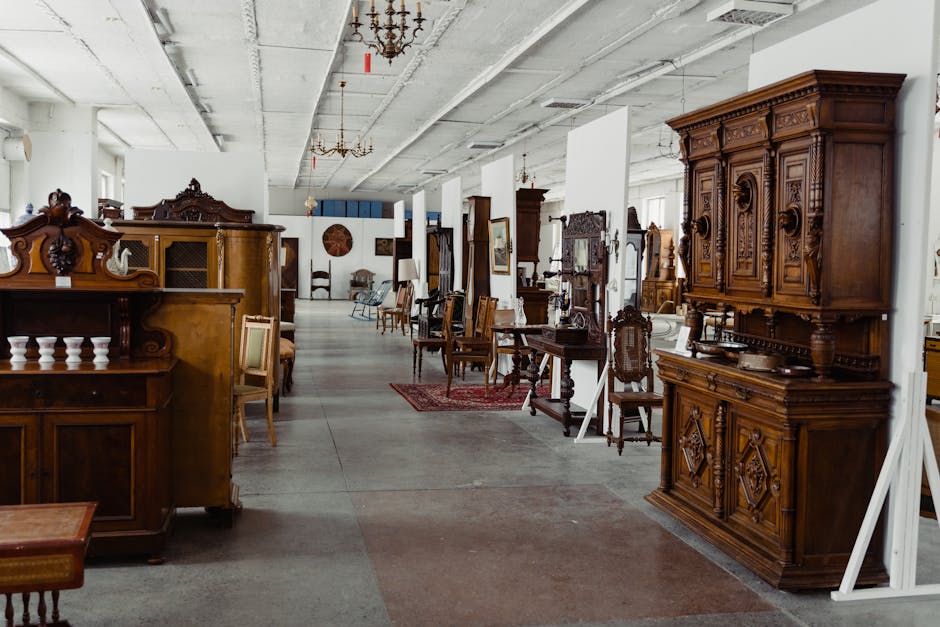
Synchrony Financing: Special Rates for Qualified Buyers
Synchrony is a well-established consumer financing company that partners with furniture retailers across the country. For customers with good to excellent credit, Synchrony typically offers promotional financing periods ranging from six to twenty-four months with deferred interest. This option works best if you have a clear plan to pay off the entire balance within the promotional window. If you carry a balance past that date, retroactive interest applies from the original purchase date. The application process is usually instant at the point of sale, so you will know whether you qualify before you leave the showroom.
Snap Finance: Shop Now, Pay Later for All Credit Types
Snap Finance focuses on accessibility. It approves customers with less-than-perfect credit histories by looking at factors beyond a traditional credit score. The typical structure involves twelve-month payment plans with no hidden fees and early payoff options that reduce the total cost. The five-dollar-down, no-credit-needed offer mentioned on Madison Furniture Barn’s Instagram likely runs through Snap or a similar partner. This is the path to explore if you have been turned down for traditional financing elsewhere or if you simply want to keep the upfront cost minimal.
Acima Credit: Flexible Leasing-to-Own Options
Acima provides a lease-to-own agreement rather than a traditional loan. This structure works well for customers who need furniture immediately but want to spread payments over time without committing to a long-term credit obligation upfront. Acima bases approval decisions on income and banking history rather than traditional credit scores alone. You own the furniture after completing the full lease term, and early purchase options are typically available to reduce the overall cost. This option appeals to customers who value flexibility and may not want a hard inquiry on their credit report.
What Credit Score Do You Need for Furniture Financing?
The credit score you need depends entirely on which lender you apply through, not on Madison Furniture Barn itself. The store partners with multiple lenders precisely so that customers with different credit profiles have a path forward.
Synchrony promotional financing generally requires a FICO score of 620 or higher. If your score falls below that threshold, you may still qualify for a standard Synchrony credit card with a higher interest rate, but the promotional deferred-interest offers will likely be out of reach.
Snap Finance and Acima do not enforce strict minimum credit scores. Instead, they evaluate alternative data points like income stability, employment history, and bank account activity. That means a low credit score or even no credit history does not automatically disqualify you. The key takeaway is straightforward: financing is possible through the right partner, regardless of where your credit stands today.
We understand that credit scores do not always tell the full story. Our lending approach with livestock finance and seasonal finance products evaluates farm cash flow and operational history rather than just a three-digit number. The alternative furniture lenders operate on a similar principle, looking at the whole financial picture instead of a single metric.
Does Financing Furniture Hurt Your Credit Score?

Applying for furniture financing may trigger a hard inquiry on your credit report, which can temporarily lower your score by five to ten points. That impact fades within twelve months and is generally not a concern unless you are planning to apply for a mortgage or other major loan in the immediate future.
What matters more is how you handle the payments after approval. On-time payments can build positive credit history over time, especially with lenders like Synchrony that report to the major credit bureaus. Missed or late payments will cause significant damage to your score. Lease-to-own options through Acima typically do not report to credit bureaus at all, so they will neither help nor hurt your traditional credit profile. The practical rule is simple: only apply for financing you are confident you can repay on schedule.
Can You Finance Furniture with No Credit Check?
Yes, you can. Lenders like Snap Finance and Acima use alternative underwriting methods that do not involve a traditional hard credit pull. That is what makes the five-dollar-down, no-credit-needed offer possible at Madison Furniture Barn.
However, “no credit check” does not mean no financial review whatsoever. These lenders will verify your income, check your bank account activity, and confirm your employment status. They want to see that you have the means to make the scheduled payments. The trade-off for this accessibility is that no-credit-check options often carry higher effective interest rates or shorter repayment terms than prime credit offers. For customers who need furniture now and have limited borrowing options, the convenience and speed can outweigh the added cost.
Do You Have to Put Money Down When Financing Furniture?
Down payment requirements depend on the lender and your specific credit profile. Synchrony promotional financing often requires zero dollars down for well-qualified buyers, allowing you to take furniture home immediately and begin payments later.
Snap Finance and Acima may require a small upfront payment, which is where the five-dollar-down offer from Madison Furniture Barn comes into play. That minimal down payment opens the door for customers who cannot afford a large upfront cost. For larger purchases or customers with weaker credit profiles, down payment expectations may rise to ten or twenty percent. The best approach is to ask the design consultant to run the numbers for your specific purchase amount so you know exactly what to expect before you commit.
The Madison Furniture Barn Experience: More Than Just Financing
Financing is a tool, but the furniture itself and the service behind it are what matter day to day. Madison Furniture Barn distinguishes itself through personalized design consultations offered in-store, in-home, or virtually. This is not an upsell. It is a core part of how the store helps customers choose pieces that fit their space, their lifestyle, and their budget.
The real estate partner program is another feature you will not find at big-box retailers. Real estate agents and brokers who refer clients within two months of closing on a home earn three percent store credit for those clients. If you are a new homeowner, ask your agent whether they participate. That credit can cover a meaningful portion of a sofa, dining set, or bedroom suite.
Delivery and setup services are available, though specific fees, return policies, and warranty terms should be confirmed directly with the Clinton showroom. Customer feedback from similar furniture barn locations describes staff as helpful, knowledgeable, and non-pushy. The focus is on building relationships and helping you make choices you will be happy with for years.
Comparing Madison Furniture Barn to Other Furniture Barn Locations
A quick online search for “furniture barn financing” will return results for several different businesses. It is important to understand that Furniture Barn is not a single national chain. Madison Furniture Barn in Clinton, Connecticut, operates independently from Massey’s Furniture Barn in Watertown, New York, and Furniture Barn in St. Paul, Minnesota.
Massey’s Furniture Barn also partners with Synchrony, Snap Finance, and Acima, so the financing options look similar on paper. Madison Furniture Barn’s differentiators are the personalized design consultations and the real estate partner program, neither of which appears prominently at the other locations. For customers searching for Madison Furniture Barn financing reviews, note that specific online reviews for the Clinton location are limited. The best way to gauge the experience is to visit the showroom, speak with the staff, and ask for customer references directly.
We help agribusiness owners compare farm property loans and equipment financing options side by side. The same principle applies here. Compare the financing terms, ask about promotional periods, and understand the total cost before making a decision.
Tips for Getting the Best Furniture Financing Terms in 2026
A little preparation goes a long way toward securing favorable terms. Start by checking your credit score before you apply. Knowing whether you fall above or below that 620 threshold tells you which lenders to target first.
Ask about promotional financing periods and calculate honestly whether you can pay off the full balance before deferred interest kicks in. A twenty-four-month zero-interest offer is only a good deal if you actually pay it off in twenty-four months. If there is any doubt, a straightforward installment plan with a fixed rate may be the safer choice.
Bring proof of income and bank account information when you visit the showroom. Alternative lenders like Snap and Acima will need this to process your application, and having it ready speeds things up considerably.
If you are a recent homebuyer, ask your real estate agent about the Madison Furniture Barn partner program. The three percent store credit effectively reduces your total cost without any additional financing required. The same principle we apply to our line of credit and seasonal finance products holds true here: understanding the terms upfront prevents surprises later.
Frequently Asked Questions About Madison Furniture Barn Financing
What credit score is needed to finance furniture at Madison Furniture Barn? It varies by lender. Synchrony typically requires 620 or higher. Snap Finance and Acima have no minimum score requirement and evaluate income and banking history instead.
Does financing furniture hurt your credit score? A hard inquiry may cause a small, temporary dip of five to ten points. Missed payments cause significant damage. On-time payments can help build credit history with lenders that report to the bureaus.
Can I finance furniture with no credit check? Yes, through Snap Finance and Acima. These lenders use alternative underwriting based on income and bank account activity rather than traditional credit reports.
Do you have to put money down when financing furniture? Not always. Zero-down options exist for qualified buyers through Synchrony. Madison Furniture Barn also offers down payments as low as five dollars through certain alternative lenders.
Does Madison Furniture Barn offer delivery? Yes, delivery and setup are available. Contact the Clinton showroom directly for current fees, scheduling, and any applicable return policies or warranty information.
Final Thoughts: Making the Right Financing Choice for Your Home
Madison Furniture Barn offers multiple financing paths designed to accommodate different credit profiles, budgets, and timelines. The best option for you depends on your credit score, how quickly you can repay the balance, and whether you prioritize low promotional rates or maximum accessibility with minimal upfront cost.
Visit the Clinton, Connecticut showroom or schedule a virtual design consultation to discuss your options in person. Bring your questions about down payments, credit requirements, and repayment terms. The staff can walk you through the specifics for your purchase amount and help you choose the path that fits.
Whether you are furnishing a farmhouse, upgrading a home office, or outfitting a property from scratch, the right financing should support your goals without adding unnecessary stress. The same holds true for equipment financing or a farm property loan. The numbers need to work for your operation, and the terms need to match your reality.
Pole Barn Financing Forum: Real Advice from Farmers & Lenders
When you spend an evening scrolling through a pole barn financing forum, you quickly realize two things. First, there is a wealth of hard-won experience shared by farmers and ranchers who have already navigated the lending process. Second, that same advice can be contradictory, outdated, or simply not applicable to your specific operation. We understand the value of learning from your peers, but we also know that a forum thread cannot replace a conversation with a lender who understands agricultural cycles. This article bridges that gap. We have listened to the discussions on TractorByNet, Garage Journal, and other communities, and we are here to decode the chatter, correct the misconceptions, and give you the professional insight you need to secure pole barn financing in 2026.
Table of Contents
Comparing Your Pole Barn Financing Options (Based on Forum Insights)
Credit Scores, Down Payments, and What Lenders Really Look For
Frequently Asked Questions from the Pole Barn Financing Community
What We Learned from the Pole Barn Financing Forums
The most persistent theme across every pole barn financing forum is the difficulty of finding a lender who truly understands post-frame construction. Many forum members report walking into their local bank only to discover that the loan officer treats a pole barn as an unusual risk rather than a standard agricultural improvement. This disconnect leads to confusion about down payments, with many users surprised to learn that 10 to 30 percent down is the industry norm, varying based on credit history and whether the structure is for personal or farm use.

Another common thread involves loan amounts and structure. One forum user detailed financing a $32,000 pole barn by combining the equity in their land with the value of the proposed building, a strategy we see working well for smaller operations that already own their property. Forum members also consistently discuss loan terms, noting that 5- to 20-year terms are most typical for pole barns, though some specialized agricultural lenders will extend terms to 30 years for qualified borrowers. The conversations reveal a strong preference for lenders who offer flexibility, particularly for operations with seasonal income. We understand the value of hearing real stories from real farmers, but forum advice can be inconsistent and sometimes flat wrong. Our lending approach focuses on giving you the same real-world clarity, backed by professional experience and a deep understanding of agricultural finance.
Comparing Your Pole Barn Financing Options (Based on Forum Insights)
Personal Loans for Smaller Projects ($20,000–$75,000)
In many forum threads, personal loans emerge as the go-to recommendation for smaller pole barn projects. If you are building a dried-in shell at $10 to $15 per square foot, an unsecured personal loan can get you funded quickly without tying up your land or equipment as collateral. The trade-off, discussed frequently in these communities, is that interest rates run higher than secured options. For a modest equipment shed or hay storage barn, however, the speed and simplicity often outweigh the cost. These loans work best when you need funds in hand within days rather than weeks, and they are particularly useful if you have not yet built enough equity in your property to pursue other routes.
Home Equity Loans and HELOCs for Larger Builds ($50,000–$200,000)

When forum users ask what the best way to finance a pole barn is, the most common answer points to home equity. A home equity loan or home equity line of credit typically offers lower rates and longer repayment terms than personal loans, making it the preferred path for larger, non-agricultural builds. A HELOC adds flexibility for phased construction, allowing you to draw funds as you pour concrete, raise walls, and finish the interior. We recommend this route when you have sufficient equity in your property and want predictable monthly payments that will not strain your operational cash flow during the growing season. The forums consistently highlight this as the most cost-effective option for builds in the $50,000 to $200,000 range.
Agricultural and USDA Loans for Farm and Ranch Use
For farmers and ranchers, agricultural loans are the most discussed option in any pole barn financing forum. Lenders like Compeer Financial and Shoreham Bank appear regularly in these conversations, praised for their understanding of farm operations and their willingness to structure loans around agricultural cycles rather than rigid calendar schedules. These loans often feature longer terms, sometimes up to 30 years, and lower down payment requirements for structures tied to livestock, equipment storage, or crop production. Our Seasonal Finance and Livestock Finance products are designed with this reality in mind, aligning repayment with your harvest income and calving cycles rather than arbitrary monthly deadlines. If your pole barn serves a genuine agricultural purpose, this category almost always offers the most favorable terms.
Construction-to-Permanent Loans for Custom Builds
A less common but powerful option discussed in forum communities is the construction-to-permanent loan. With this structure, funds release in stages as your builder completes the foundation, framing, and finishing work, and the loan converts to a permanent mortgage upon completion. Forum users appreciate this approach because it avoids multiple closings and the associated fees. It is particularly well-suited to larger pole barns or barndominiums, where appraisal challenges can otherwise derail traditional financing. Because these loans require more documentation and a qualified builder, they are not the simplest path, but for a custom build with significant investment, they offer a clean, single-close solution.
Credit Scores, Down Payments, and What Lenders Really Look For
Forum discussions reveal that credit score thresholds are a major pain point for many borrowers. While no single number guarantees approval, most lenders prefer a score of 680 or higher to offer the best rates on pole barn financing. Scores below that threshold do not automatically disqualify you, but they will likely mean a higher down payment requirement, often pushing toward the 30 percent end of the range. Experienced forum members frequently share this strategy: if your credit is less than perfect, come to the table with a larger down payment to offset the lender’s perceived risk.
Beyond the credit score, lenders evaluate the project scope carefully. A straightforward equipment shed is easier to finance than a mixed-use barndominium, which banks often resist due to appraisal difficulties and a lack of comparable sales. We understand that your operation’s cash flow is seasonal, and our lending approach considers your full financial picture, not just a three-digit number on a credit report. Documentation is critical regardless of which lender you choose. Before you apply, have your land deed, detailed construction quotes, and proof of income ready. Forum veterans consistently advise having these documents organized in advance to speed approvals and demonstrate that you are a serious, prepared borrower.
Budgeting for Your Pole Barn: Beyond the Square Footage
One of the most common surprises discussed in forum threads is the gap between initial quotes and final costs. A dried-in shell at $10 to $15 per square foot is just the starting point. Site preparation, concrete flooring, electrical work, insulation, and sliding doors can quickly double the initial budget. One forum member noted that their $32,000 quote grew to $45,000 once they added a concrete floor and quality doors, a story that resonates with anyone who has managed a construction project.
We recommend obtaining at least three quotes from reputable builders and factoring in a 10 to 15 percent contingency for unexpected costs like soil issues, drainage requirements, or permit delays. A well-budgeted project is easier to finance because lenders want to see that you have planned for the full scope, not just the structure itself. If you need machinery for site preparation, our Equipment Financing and Hay Baler Financing products can help you fund those purchases separately, keeping your working capital intact for the build itself. Approaching the project with a complete budget signals to any lender that you are a responsible borrower who understands the true cost of construction.
Why Barndominiums Face Unique Financing Hurdles
The question “Why don’t banks like barndominiums?” appears frequently in forum discussions and even in search results, and it points to a genuine frustration for many borrowers. The core issue is appraisal. Traditional homes have abundant comparable sales data that appraisers use to establish value. Barndominiums, particularly in rural areas, often lack enough similar properties to satisfy standard lending guidelines. Without reliable comps, banks cannot confidently assess the loan-to-value ratio, and many simply decline the application.
Mixed-use buildings that combine workshop space with living quarters introduce additional complexity, requiring documentation that satisfies both residential and commercial lending standards. Forum users report that some local lenders simply do not have the expertise to underwrite these projects, leading to rejections or higher interest rates. Our Farm Property Loans are structured to handle these complexities, offering terms that recognize the functional value of a multi-purpose building on agricultural land. If you are planning a barndominium, be prepared to provide detailed architectural plans, a clear breakdown of how the square footage will be used, and a higher down payment, often 20 to 30 percent.
How to Choose the Right Lender for Your Pole Barn Project
Across every pole barn financing forum, one piece of advice appears again and again: work with a lender who specializes in post-frame construction or agricultural property. General consumer lenders often misunderstand the asset class, treating a pole barn as an unusual structure rather than a standard and valuable improvement. The result can be slower approvals, higher rates, or outright denials that a specialized lender would never issue.
Look for a lender who offers a range of products, including Term Loans, Lines of Credit, and Seasonal Finance, so you can match the financing to your build timeline and cash flow rather than forcing your project into a one-size-fits-all product. Some manufacturers, like Timberline Buildings, maintain pre-vetted lender networks that can streamline the process significantly. We understand that your time is valuable, especially during planting or harvest season. Our application process is designed for speed, with clear communication at every step so you are never left wondering where things stand. Finally, read the fine print carefully. Forum users frequently warn about prepayment penalties and variable rates that can shift with the market. Fixed-rate options offer peace of mind for long-term builds, letting you plan your finances with certainty.
Frequently Asked Questions from the Pole Barn Financing Community
What is the best way to finance a pole barn? For most farmers and ranchers, a home equity loan or agricultural loan offers the best balance of low rates and long terms. For smaller projects under $75,000, a personal loan or our Line of Credit can provide faster access to funds with less paperwork.
How many years can you finance a pole barn? Terms range from 1 to 30 years depending on the lender and loan type. Shorter terms of 5 to 10 years reduce total interest paid, while longer terms of 15 to 30 years lower your monthly payments. Your choice should reflect your cash flow patterns and long-term plans for the property.
Can I finance a DIY pole barn build? Yes, but it is more difficult. Lenders prefer contractor-led builds because professional oversight reduces construction risk. If you plan to build the barn yourself, expect a higher down payment requirement and be prepared to provide detailed plans, a materials list, and a realistic timeline.
Are there tax benefits for an agricultural pole barn? Potentially, yes. A barn used for livestock, equipment storage, or crop production may qualify for depreciation deductions or Section 179 expensing. Tax implications depend on your specific use case, so consult your tax advisor for guidance tailored to your operation.
Final Thoughts: Turning Forum Advice into Action
The pole barn financing forums are a valuable starting point for understanding what other farmers and ranchers have experienced, but they are no substitute for professional guidance tailored to your specific operation. Every piece of land, every herd, and every business plan is different, and the financing that worked for a forum member in another state may not be the right fit for you. We understand that your farm or ranch is more than a collection of assets. It is your livelihood, your legacy, and your future. Our lending approach is built on flexibility, fast approvals, and a deep respect for the agricultural cycles that govern your year. Whether you need a Term Loan, Equipment Financing, or a Line of Credit, we are here to help you build the structure your business deserves. Ready to move from forum browsing to building? Contact our team today to discuss your pole barn project and find the financing that fits your 2026 goals.
Pole Barn Financing Arkansas: Your Complete Guide to Funding Your Farm Building in 2026
If you farm or own land in Arkansas, you already know a pole barn is one of the smartest investments you can make. What you might not know is how to pay for it without straining your operating capital. This guide to pole barn financing Arkansas walks you through every practical option available right now, from agricultural loans structured around harvest cycles to alternative paths for borrowers with less-than-perfect credit. By the time you finish reading, you will have a clear understanding of loan types, down payment expectations, credit considerations, Arkansas-specific resources, and the exact steps to move forward.
Table of Contents
Credit Score Considerations for Pole Barn Financing in Arkansas
Frequently Asked Questions About Pole Barn Financing in Arkansas
Why Arkansas Farmers and Landowners Choose Pole Barns
Pole barns deliver cost-effective, versatile space that serves multiple purposes on an Arkansas farm. Equipment storage, livestock housing, hay and grain storage, workshop areas: a single well-built structure can handle all of it. The construction timeline is another reason they make sense. Smaller pole barns, around 1,000 square feet, can be completed in as little as two weeks, which means less disruption to your daily operation.
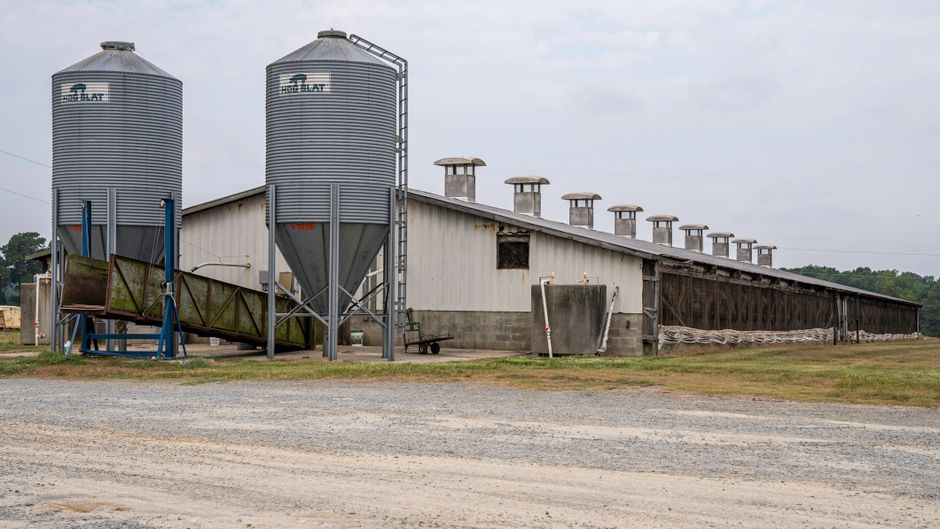
Pricing in Arkansas is competitive compared to many other states. A 30-foot by 30-foot by 10-foot pole barn starts around $20,000 with concrete and insulation included. A larger 40-foot by 60-foot by 10-foot structure runs approximately $43,000. Those figures come from Arkansas builders who include concrete, insulation, a garage door, and a walk-in door in their base pricing. The practical post-frame design suits Arkansas’s climate and rural landscape, making a pole barn a durable, long-term asset for any working farm.
Understanding Pole Barn Financing Options in Arkansas
Financing a pole barn is not a one-size-fits-all process. The right path depends on how you plan to use the building, whether you own land, your credit profile, and how quickly you need the structure up. Here are the four primary routes Arkansas borrowers take.
Agricultural and Business Loans for Farm-Use Pole Barns
If your pole barn will serve a working farm or ranch, an agricultural loan is often the most logical choice. These loans are designed specifically for producers who need capital for equipment storage, livestock housing, hay storage, or seasonal operations. Our lending approach includes flexible Term Loans and Equipment Financing that align with agricultural cash flow cycles, so repayment schedules reflect when you actually have revenue coming in.
Agricultural loans frequently offer longer repayment terms, sometimes up to 30 years, and competitive rates for qualified borrowers. Lenders typically want to see proof of farm income or agricultural business operations, and land ownership or a long-term lease agreement may strengthen your application. For Arkansas farmers expanding their operations, this route keeps the financing tied directly to the purpose of the building.
Home Equity Loans and HELOCs for Property Owners

Arkansas landowners with existing home equity can often access lower interest rates and longer repayment terms through home equity loans or home equity lines of credit. This option works well for pole barns built on residential acreage or hobby farms where the property carries significant equity. Interest rates are generally lower than what you would find with an unsecured personal loan, and terms can extend up to 15 or even 30 years.
The trade-off is straightforward and serious: your home serves as collateral. Missed payments put your property at risk. If you have stable income and substantial equity, however, this remains one of the most affordable ways to finance a pole barn project in Arkansas.
Personal Loans for Smaller Pole Barn Projects
For smaller pole barns under $25,000, or for borrowers who do not have home equity or agricultural business status, personal loans offer a viable path. Approval is based primarily on your credit score and income, and no collateral is required. The trade-off comes in the form of higher interest rates and shorter terms, typically one to seven years.
One advantage worth noting: some lenders report on-time payments to credit bureaus, which means financing a pole barn through a personal loan can help Arkansas borrowers build or improve their credit scores over time. If your project is modest and you want a straightforward application process, this option deserves a look.
Lease-to-Own and Alternative Financing
Lease-to-own programs are available from some Arkansas builders and national providers, and in certain cases, no credit check is required. These arrangements can help borrowers with limited credit history or past credit challenges get a building up without going through traditional loan underwriting. Monthly payments may be higher than conventional financing, and you will not own the building until the lease term is complete. Always verify that the provider is licensed to operate in Arkansas and read the contract terms carefully before signing anything.
Down Payment Requirements and Budgeting for Your Pole Barn
Most pole barn financing programs in Arkansas require a down payment of 10 to 30 percent, depending on your credit score and the type of loan you choose. A higher down payment, 20 percent or more, can improve your chances of approval and may secure a lower interest rate. Lenders view a substantial down payment as a sign of commitment and reduced risk.
Beyond the building itself, you need to budget for site preparation, foundation work, utility connections, and permits. These costs add up quickly and are rarely included in the builder’s base price. Arkansas pricing examples help with planning: a 30-foot by 40-foot by 10-foot pole barn at $23,000 with a 20 percent down payment means you would need $4,600 upfront, plus whatever site work your property requires. We understand that every dollar counts on the farm, and planning your down payment and total project budget before applying makes the entire financing process smoother.
Credit Score Considerations for Pole Barn Financing in Arkansas
Credit plays a central role in what you will pay for financing, but it is not the only factor lenders consider. Understanding where you stand helps you target the right options from the start.
What Credit Score Do You Need?
While no single source publishes an exact minimum, most conventional lenders look for a credit score of at least 620 to 640 for pole barn financing. Borrowers with scores above 700 typically qualify for the best interest rates and the most favorable terms. Agricultural lenders may be more flexible if you have a strong farm operating history and sufficient collateral, even if your credit score falls below that threshold.
Financing Options for Bad Credit or Limited Credit History
A lower credit score does not close every door. Using land or existing property as collateral can help secure financing even when your credit history is not spotless. USDA Rural Development programs may offer options for qualified agricultural borrowers in Arkansas, particularly those in rural areas. Alternative lenders and lease-to-own programs may work with less-than-perfect credit, though you should expect higher interest rates and stricter terms. Our Livestock Finance and Seasonal Finance products are designed with the understanding that farm credit profiles do not always fit traditional molds, and we evaluate each application on its full merits.
Loan Terms, Interest Rates, and What to Expect in Arkansas
Pole barn financing terms range from one year to 30 years. Shorter terms mean higher monthly payments but significantly less total interest paid over the life of the loan. Longer terms lower your monthly obligation but increase the total cost of borrowing. The right balance depends on your cash flow and how quickly you want the debt off your books.
An interest rate example from an Arkansas metal building provider shows approximately 7.9 percent APR, though your actual rate will depend on your credit score, loan type, and down payment amount. Fixed-rate loans provide predictable monthly payments, which is valuable for farm budgeting when income fluctuates seasonally. Variable-rate options may start lower but carry the risk of increases over time. We recommend comparing at least three financing offers before committing and asking every lender about prepayment penalties, which can affect your flexibility if you want to pay the loan off early.
The Pole Barn Financing Process: Step by Step
Knowing the sequence of steps removes uncertainty and helps you move forward with confidence. Here is how the process typically works for Arkansas borrowers.
First, determine your budget and choose your pole barn size and features using Arkansas pricing as a guide. Second, request quotes from multiple Arkansas builders and lenders to compare total project costs, not just the structure price. Third, gather your documentation: tax returns, bank statements, proof of income or farm revenue, and property information. Fourth, apply for financing with the option that best fits your situation. Pre-approval can strengthen your position when negotiating with builders. Fifth, review loan offers carefully, paying attention to APR, term length, monthly payment, and any fees. Sixth, once approved, finalize your building contract and schedule construction. Smaller projects may be complete in two weeks, while larger ones typically take eight to twelve weeks.
Arkansas-Specific Resources for Pole Barn Financing
Arkansas Metal Structures provides payment calculators and financing guidance for metal and pole buildings, giving you a way to estimate costs before you apply. AR Quality Homes, serving Central Arkansas, offers competitive pricing with concrete and insulation included in their quotes. They do not offer direct financing but can work with your chosen lender. Square Post Buildings of Arkansas, based in Hoxie, serves northeastern Arkansas with custom pole barn construction.
Local agricultural lenders and credit unions across Arkansas may offer farm-specific financing with more flexible terms than national banks. These institutions often understand local land values and agricultural economics better than out-of-state lenders. Before finalizing financing, check with your county planning office about building permits and zoning requirements. Some loan types may require proof of compliance before funds are released.
Tax Implications and Insurance for Pole Barns in Arkansas
If your pole barn is used for agricultural or business purposes, you may be able to deduct interest payments on the loan as a business expense. Depreciation on the structure may also be available for tax purposes. Consult a tax professional familiar with Arkansas agricultural operations to understand exactly what applies to your situation.
Most lenders will require insurance on the pole barn during the financing period. This protects both you and the lender if the building is damaged or destroyed. Insurance costs vary based on the building’s size, use, and location, so factor this into your monthly budget. One Arkansas-specific consideration: check whether your property is in a flood zone, as this may affect both insurance requirements and financing eligibility. A conversation with your insurance agent early in the process can prevent surprises at closing.
Which Pole Barn Financing Option Is Right for You?
Choose an agricultural loan if you are a working farmer or rancher and the pole barn will directly support your operation. These loans are built around how you actually generate income. Choose a home equity loan or HELOC if you have significant equity in your property and want the lowest possible interest rate. Choose a personal loan if you need a smaller pole barn and do not have home equity or agricultural business status. Consider lease-to-own if your credit history is limited or you need a no-credit-check option.
Use our Line of Credit if you want flexible access to funds for a pole barn project with the ability to draw only what you need, when you need it. We understand that every farm and every situation is different. There is no single best option, only the right option for your operation and your financial picture.
Frequently Asked Questions About Pole Barn Financing in Arkansas
How many years can you finance a pole barn?
Terms range from 1 to 30 years. Longer terms lower your monthly payments but increase the total interest you pay over the life of the loan. Shorter terms do the opposite.
What’s the best way to finance a pole barn?
The best option depends on your situation. Home equity loans offer low rates for property owners. Agricultural loans suit working farms. Personal loans work for smaller projects without collateral.
Can I get pole barn financing with bad credit?
Yes. Options include using land as collateral, USDA Rural Development programs, and alternative lenders. Expect higher rates and stricter terms if your credit is challenged.
Do Arkansas lenders require insurance on pole barns?
Most lenders require insurance during the financing period. Check with your lender and insurance provider before closing to understand exactly what coverage is needed.
Get Started With Your Pole Barn Project Today
You now have a clear picture of your pole barn financing options in Arkansas, from agricultural loans and home equity solutions to alternative paths for borrowers with credit challenges. The next step is simple: determine your budget, get quotes from Arkansas builders, and apply for the financing that fits your operation. Whether you are looking for farm building loans to get your project underway, agricultural construction loans for a ground-up build, or a flexible financing structure that matches your cash flow, we are here to help you build the structure your farm needs. Contact us today to discuss your pole barn project and find the right financing path for your Arkansas operation.
Pottery Barn Financing: Complete Guide to the Credit Card, Rewards, and 0% Interest Options
If you have ever walked through a Pottery Barn showroom and mentally furnished an entire room, you have probably also wondered how to pay for it without draining your savings. Pottery Barn financing exists for exactly that reason. The retailer offers a branded credit card program that combines rewards earning with promotional zero-interest periods, giving shoppers a way to spread out payments on larger purchases. This guide walks through every layer of the program, from how the rewards structure actually works to what credit score you will need, so you can decide whether applying makes sense for your home and your wallet.
Table of Contents
What Is Pottery Barn Financing?
Pottery Barn financing refers to the store’s branded credit card program, issued by Capital One and connected to the broader Key Rewards family that spans eight Williams Sonoma brands. Those brands include Pottery Barn, Pottery Barn Kids, Pottery Barn Teen, Williams Sonoma, Williams Sonoma Home, West Elm, Mark and Graham, and Rejuvenation. When you open a Pottery Barn credit card, you are not just getting a way to pay at one store. You are entering an ecosystem that rewards spending across a whole network of home and kitchen retailers.
Two card versions exist. The first is a closed-loop store-only card, which works exclusively at the eight family brands. The second is an open-loop Key Rewards Visa, which functions anywhere Visa is accepted. Which version you receive depends on your credit profile at the time of application, and Capital One may offer the store-only card if you do not qualify for the Visa.
The financing centerpiece is a promotional zero-interest offer on purchases of $750 or more. When you use your Pottery Barn card for a qualifying purchase, you can pay it off over 12 equal monthly installments with no interest charges during that period. There is no annual fee on either card version, which keeps the door open for both occasional shoppers and frequent buyers. Cardholders also receive automatic Gold status in the Key Rewards program, earning 5 percent back on brand purchases versus the 2 percent that non-cardholder Silver members earn.
How the Pottery Barn Credit Card Rewards Work
Earning Rates at a Glance
The rewards structure is designed to front-load value for new cardmembers while giving ongoing reasons to keep the card in your wallet. During the first 30 days after account opening, new cardmembers earn 10 percent back in rewards on eligible purchases across all eight Williams Sonoma family brands. That introductory rate applies to everything from a new sofa to a set of dinner plates, making it a strategic window for anyone planning a major home refresh.
After those first 30 days, the earning rate settles at 5 percent back on all brand purchases for cardholders at the Gold tier. The Visa version adds two more earning categories: 4 percent back on grocery stores, dining, fast food, and food delivery, plus 1 percent back on all other purchases. These everyday spending categories give the card utility beyond the furniture showroom.
Rewards are redeemed as statement credits or applied toward future purchases, but only within the eight-brand family. You cannot convert them to cash or transfer them to travel partners. A $25 Birthday Reward is automatically applied to your account each year, adding a small but reliable perk that loyal customers appreciate.
Silver vs. Gold: Two Paths to Earning
One aspect of the Key Rewards program that sets it apart from typical store loyalty setups is the two-tier structure. Anyone can join for free at the Silver level without holding a credit card, earning 2 percent back on brand purchases. This works well for infrequent shoppers who want to accumulate a little value without adding another account to their credit report.
Applying for and being approved for the Pottery Barn credit card automatically upgrades you to Gold status, doubling your earning rate to 5 percent. The decision between staying at Silver and moving to Gold comes down to shopping frequency. If you buy from Pottery Barn or West Elm once or twice a year, the Silver tier may be enough. If you are furnishing a home over several months or regularly refresh your decor, the Gold tier’s higher rate can add up quickly.
Both tiers include member-exclusive perks like early access to sales and free design services. Gold members also receive free standard shipping at Williams Sonoma, a benefit that can offset delivery costs on kitchenware and small appliances.
0% Interest Financing: What You Need to Know
The headline offer that draws most shoppers to Pottery Barn financing is the zero-interest promotional period. On any single purchase of $750 or more, you can finance the balance over 12 months with 0 percent APR, making 12 equal monthly payments. This applies to both the store-only card and the Visa version, and it covers purchases at any of the eight family brands.
The math is straightforward. A $2,400 sectional becomes 12 payments of $200 with no interest added, assuming you pay on time and in full within the promotional window. For large furniture purchases like dining sets, bedroom collections, or home office setups, this structure can save hundreds of dollars compared to carrying the same balance on a standard credit card with a typical APR.
The fine print deserves careful attention. The standard variable purchase APR after the promotional period is 29.24 percent, which is high by any measure. Promotional financing is not available on international orders, so the offer applies only to domestic purchases. More importantly, missing a payment or failing to pay the full balance within the 12-month window could trigger deferred interest. That means all the interest that would have accrued from the original purchase date may be charged retroactively. Setting up automatic payments is a practical safeguard against this risk.
Credit Score Requirements for Pottery Barn Financing
This is the question that most online content leaves unanswered, and it is the one prospective applicants search for most often. While Capital One does not publish exact credit score thresholds for the Pottery Barn card, industry patterns and the structure of the two card versions provide a reliable framework.
The store-only card typically requires a credit score of at least 640, which falls in the fair credit range. This version carries less risk for the issuer because it can only be used within the Williams Sonoma family of brands. The Key Rewards Visa, which functions as a general-use credit card, likely requires a score of 700 or higher, placing it in the good to excellent credit category.
Applicants who do not qualify for the Visa may still be offered the store-only card during the application process. Capital One often extends this alternative, so a denial for the Visa version does not necessarily mean walking away empty-handed. Pre-approval is available through the Pottery Barn credit card page and uses a soft credit pull, which has no impact on your credit score. Checking your pre-approval status is a safe first step before committing to a full application.
How Applying for the Pottery Barn Card Affects Your Credit
The pre-approval process uses a soft credit inquiry, which is visible only to you and does not affect your credit score. When you move forward with a formal application, Capital One performs a hard credit pull. That inquiry may temporarily lower your score by five to ten points, an effect that typically fades within a few months.
Opening a new account also reduces your average account age, which can have a modest impact on your credit history length. This factor matters more if your credit file is relatively young or thin. On the positive side, responsible use of the card builds positive payment history and increases your total available credit, both of which can improve your score over time.
If you later decide to close the card, your available credit will drop and your average account age may shift, potentially lowering your score. For this reason, keeping the account open even with infrequent use is often the better long-term strategy, especially since there is no annual fee to worry about.
Pottery Barn Financing vs. Alternatives
Pottery Barn Card vs. General Cash-Back Cards
General cash-back cards like the Citi Double Cash or Chase Freedom Unlimited offer 1.5 to 2 percent back on all purchases with no restrictions on where or how you redeem rewards. The Pottery Barn card’s 5 percent back on brand purchases beats that rate for furniture and home decor spending, but only if you shop regularly at the eight family brands.
Redemption flexibility is where the comparison tilts. General cash-back cards let you redeem rewards for statement credits, direct deposits, travel, or gift cards. Pottery Barn rewards are locked to the eight-brand ecosystem. If you spend $5,000 a year across Pottery Barn, West Elm, and Williams Sonoma, the 5 percent rate earns $250 in rewards you can actually use. If you spend only $500 a year, the $25 in rewards may not justify adding another card to your wallet.
For shoppers who are already loyal to these brands, the 5 percent earning rate plus the $25 birthday reward can outweigh the flexibility trade-off. For everyone else, a general cash-back card likely provides more practical value.
Pottery Barn Financing vs. Affirm and Other BNPL Options
Pottery Barn also offers Affirm monthly financing at checkout, creating an alternative path for shoppers who prefer not to open a new credit card. Affirm typically provides 0 percent APR for shorter terms of three, six, or twelve months on qualifying purchases, though interest rates can reach 30 percent APR for longer repayment periods.
The Pottery Barn credit card’s zero-interest financing for 12 months on purchases of $750 or more compares favorably to many Affirm offers, especially for larger ticket items where a full year of interest-free payments makes a meaningful difference. Affirm performs a soft credit check and does not require a revolving account, which can make it more accessible for shoppers with lower credit scores or those who simply prefer one-time financing without a permanent credit line.
The choice between the two comes down to your purchase size, credit profile, and whether you value the ongoing rewards and perks of the credit card versus the simplicity of a single financed transaction.
Pros and Cons of Pottery Barn Financing
Advantages
The Pottery Barn credit card carries no annual fee, and the $25 birthday reward adds tangible value each year without requiring any spending to unlock. The zero-interest financing on purchases over $750 provides a genuine interest-free path for large furniture buys, which is rare among store cards that often offer deferred interest rather than true 0 percent APR.
The 5 percent back on brand purchases ranks among the highest store card earning rates available, and the introductory 10 percent rate for the first 30 days creates a strong incentive for new cardmembers. Free standard shipping at Williams Sonoma and early access to sales enhance the overall shopping experience. Pre-approval with no credit score impact allows you to check eligibility without commitment.
Disadvantages
The standard APR of 29.24 percent is punishingly high, making it expensive to carry a balance beyond the promotional period. Rewards redemption is limited to the eight family brands, with no option for cash back, travel credits, or general statement credits that can be used elsewhere.
The zero-interest financing requires equal monthly payments, and missing even one could trigger deferred interest charges on the entire original balance. Credit score requirements are not transparent, and the Visa version likely requires good to excellent credit, which excludes some applicants. For infrequent shoppers, the free Silver tier at 2 percent back may be perfectly sufficient, making the credit card unnecessary.
Frequently Asked Questions About Pottery Barn Financing
Does Pottery Barn have no interest financing?
Yes. Pottery Barn offers 0 percent APR for 12 months on purchases of $750 or more when you use the Pottery Barn credit card and pay in 12 equal monthly installments. This applies to both the store-only card and the Key Rewards Visa.
What credit score is needed for Pottery Barn financing?
The store-only card typically requires a score of at least 640, which falls in the fair credit range. The Visa version likely requires a score of 700 or higher, in the good to excellent range. Pre-approval is available with no impact to your credit score.
What credit score is needed for furniture financing in general?
Furniture store cards generally require scores of 600 to 640 for basic store-only cards and 680 or higher for Visa or Mastercard versions. Alternative options like Affirm or lease-to-own programs may have lower requirements but often come with higher overall costs.
Does Pottery Barn offer credit?
Yes. Pottery Barn offers two credit options: a store-only credit card and a Key Rewards Visa card, both issued by Capital One. Affirm financing is also available at checkout for those who prefer not to open a credit card.
Can I use the Pottery Barn card anywhere?
Only the Key Rewards Visa version can be used anywhere Visa is accepted. The store-only card is limited to the eight Williams Sonoma family brands: Pottery Barn, Pottery Barn Kids, Pottery Barn Teen, Williams Sonoma, Williams Sonoma Home, West Elm, Mark and Graham, and Rejuvenation.
Is Pottery Barn Financing Right for You?
If you are a regular shopper at Pottery Barn or its sister brands and you can pay off purchases within the zero-interest promotional period, the credit card offers strong value through rewards and interest-free financing. The 5 percent earning rate and the $25 birthday reward add up over time for loyal customers.
If you are making a one-time large furniture purchase and prefer not to open a new credit card, Affirm at checkout may be a simpler alternative. It provides a clean financing path without adding a revolving account to your credit report.
If you prioritize flexible rewards you can use anywhere, a general cash-back card will likely serve you better. The Pottery Barn card rewards you well, but only within a closed ecosystem.
The key is matching the financing option to your shopping habits, credit profile, and financial discipline. There is no one-size-fits-all answer, and the right choice depends on how often you shop these brands and how comfortably you can manage equal monthly payments. Start with the pre-approval tool to check eligibility without affecting your credit, then compare the zero-interest terms to other options before committing. A thoughtful approach to financing keeps the focus where it belongs: on creating a home you love, without unnecessary financial strain.
Pole Barn Financing Terms: What Farmers & Ranchers Need to Know in 2026
Building or upgrading a pole barn is one of the most practical investments you can make in your operation. Whether you need covered equipment storage, a new livestock shelter, or a dedicated hay barn, the structure itself is only half the equation. The other half is how you pay for it. Understanding pole barn financing terms doesn’t have to be complicated. We’re here to walk you through each option, from loan length to down payments, so you can focus on what matters: your operation. This guide covers the loan types available, typical term lengths, interest rates, down payment expectations, credit considerations, and a straightforward lender comparison, all tailored to agricultural and rural property owners across the United States.
Table of Contents
Why Financing Terms Matter for Your Pole Barn Project
The length of your loan, what lenders call the term, directly shapes your monthly cash flow. For farmers and ranchers who manage seasonal income, that monthly payment figure is often more important than the total cost of the loan. A short-term loan of one to five years means higher monthly payments but significantly less total interest paid over the life of the loan. A long-term loan of 15 to 30 years lowers the monthly burden to a manageable level but costs more in total interest.
Agricultural cycles demand flexible repayment schedules. A rigid five-year term might work well for a diversified operation with consistent year-round revenue, but it could strain a livestock operation that sees most of its income during a narrow sales window each fall. We understand that a one-size-fits-all loan term doesn’t work for every farm. That’s why we offer options that align with your harvest and herd cycles, including flexible products that let you match payments to the months when cash actually flows into your operation.
The key is to think about the building’s useful life and your revenue pattern together. A pole barn built for hay storage will serve your operation for 20 years or more, so spreading the cost over a similar timeline often makes sense. A simpler structure meant to serve a short-term need might be better suited to a shorter commitment.
Common Pole Barn Financing Options and Their Typical Terms
The financing landscape for pole barns has expanded considerably, and in 2026 you have more choices than ever. Each loan type comes with its own set of terms, requirements, and trade-offs. Here is how the main options break down.
Unsecured Personal Loans for Pole Barns
Unsecured personal loans have become a popular route for pole barn projects, largely because they do not require collateral. You won’t need to put up your home, land, or equipment as security, and there is no appraisal process to slow things down. Terms typically range from 1 to 12 years, with maximum loan amounts between $100,000 and $450,000 depending on the lender. HFS Financial, for example, offers home improvement loans up to $450,000 with no home equity, appraisal, or lien required.
Interest rates vary widely by credit profile. Borrowers with excellent credit may see rates starting around 7.24% APR through lenders like LightStream, while those with fair credit could see rates above 20%. Funding speed is a major advantage here: some lenders report loan proceeds available within 48 hours of approval. This option works best for smaller to mid-sized projects where speed and simplicity matter more than securing the lowest possible rate.
Home Equity Loans and HELOCs
If you have built significant equity in your farmstead or rural home, a home equity loan or home equity line of credit can provide access to larger amounts at competitive rates. Terms typically run from 5 to 30 years, with fixed rates on home equity loans and variable rates on HELOCs. You can generally borrow up to 80 to 85 percent of your home’s value, minus any existing mortgage balance.

The trade-off is substantial. Your home serves as collateral, which means your residence is at risk if you cannot make payments. These loans also require appraisals and come with closing costs that add to your upfront expenses. For established farmsteads with considerable home equity and a need for large, one-time funding, this can be a cost-effective path. For many farmers, however, keeping the home and the farm operation financially separate is a priority, and unsecured options may feel safer.
Agricultural and Business Loans
For pole barns that will serve as core operational assets, agricultural and business loans often provide the most favorable terms. These loans are designed specifically for working farms and ranches, and lenders evaluate your farm’s financials rather than relying solely on personal credit scores. Terms frequently extend from 10 to 25 years, with some lenders offering up to 30 years for land and building combinations.
Down payment requirements can be surprisingly low. Compeer Financial, working through builders like FBi Buildings, offers zero percent down with no payment due until the project is complete, a structure that respects the reality of farm cash flow. Morton Buildings allows borrowing up to 75 percent of the value of your building and land. These loans are ideal for large-scale pole barns used for livestock housing, equipment storage, or hay production, situations where the building is a direct income-producing asset. Our agricultural infrastructure loans are structured with exactly these operational realities in mind.
Construction-to-Permanent Loans
If your pole barn project includes a residential component, such as a barndominium or an apartment for farm help, a construction-to-permanent loan may be the right fit. This structure combines construction financing and a permanent mortgage into a single loan, with terms typically running 20 to 30 years after conversion. During the construction phase, which usually lasts 6 to 12 months, you make interest-only payments on the funds drawn so far. Once the building is complete, the loan converts to a standard amortizing schedule.
These loans require a detailed construction plan and budget, and lenders typically disburse funds in stages as work progresses. The all-in-one structure means you close once and avoid the cost and hassle of two separate loans. This option works best for multi-use pole barns that will be partially or fully residential.
Lease Financing
Lease financing, sometimes called equipment-style leasing, is an option that many farmers overlook. Morton Buildings, through a partnership with AGRIfinancial Services, offers lease financing for agricultural buildings. Terms typically run from 3 to 7 years, with a purchase option at the end, either at fair market value or through a dollar buyout.
There is usually no down payment required, and lease payments may be tax-deductible as an operating expense, though you should confirm this with your tax advisor. Lease financing works particularly well for pole barns used primarily for equipment storage or as part of a commercial agricultural operation where preserving working capital is a priority. It keeps your cash free for livestock, seed, and other inputs that generate immediate returns.
Typical Interest Rates and How Credit Tier Affects Your Terms
Your credit score influences more than just your interest rate. It also affects the loan terms you qualify for, the down payment a lender requires, and the maximum amount you can borrow. In 2026, the rate landscape for pole barn financing breaks down roughly as follows.
Borrowers with excellent credit, generally a score of 720 or above, can access rates starting around 7.24% APR through top-tier online lenders. Those in the good credit range, roughly 680 to 719, typically see rates between 9% and 14%. Borrowers with fair credit, in the 640 to 679 range, may see rates from 15% up to 20% or more. These are not hard cutoffs, and many lenders, including HFS Financial, work with a range of credit profiles rather than imposing a single minimum score.
Several lenders offer soft credit checks during prequalification, which means you can shop rates without affecting your credit score. LightStream also offers a Rate Beat program: if you have a qualifying competitor’s offer, they will offer a rate 0.10 percentage points lower. Higher credit scores unlock not just better rates but also longer available terms and lower down payment requirements, so it is worth checking your score and correcting any errors before you apply.
Down Payment Requirements: What You Can Expect
Down payment expectations vary significantly by loan type and lender. For personal loans and home equity products, the typical range is 10 to 30 percent of the project cost. Agricultural and business loans, however, often require far less. The standout option for cash-flow-sensitive operations comes through Compeer Financial, which offers zero percent down with no payment until the project is complete when working through partner builders like FBi Buildings.
Some lenders take an even more aggressive approach. DIY Pole Barns offers 100 percent upfront funding with no equity or appraisal required, which means you can cover the entire project cost at closing. A larger down payment will reduce your monthly obligation and the total interest you pay over the life of the loan, but that calculation needs to be weighed against the value of keeping cash on hand for planting, feed, or livestock purchases. On a working farm, liquidity is a form of insurance, and tying up too much cash in a building can create stress elsewhere in the operation.
Loan Amounts and Borrowing Limits
How much you can borrow depends on the lender and the loan type. Personal loan caps vary: LightStream tops out at $100,000, while HFS Financial goes up to $450,000 for their home improvement loans. For agricultural and commercial loans, Morton Buildings allows borrowing up to 75 percent of the combined value of your building and land, which can accommodate larger projects.
For pole barn projects exceeding $500,000, commercial and agricultural lenders like Compeer Financial and AgFi are the primary options. These lenders underwrite based on business financials, including revenue history, cash flow, and the overall strength of your operation, rather than personal credit alone. It is also worth noting that most online and personal loan lenders do not offer financing for projects in Hawaii, Alaska, or New York. If your property is in one of those states, you will need to work with a regional agricultural lender.
How to Choose the Right Loan Term for Your Farm’s Cash Flow
Matching your loan term to your farm’s financial rhythm is the most important decision in the financing process. Start by considering the useful life of the building. A hay storage barn that will serve your operation for 20 years or more can comfortably justify a 20-year loan. A temporary livestock shelter or a structure you may outgrow in five to seven years is better matched to a shorter term.
Next, look at your income pattern. If your operation generates most of its revenue during a concentrated harvest or sales season, a longer term of 15 to 30 years keeps monthly payments low during lean months. Operations with consistent year-round revenue, such as dairies or diversified farms with multiple income streams, may handle shorter terms of one to five years without cash flow strain.
Run the numbers on total interest before you commit. On a $100,000 loan at 8 percent, a 10-year term costs roughly $45,000 in total interest. Stretching that same loan to 20 years nearly halves the monthly payment but more than doubles the total interest to roughly $96,000. Neither choice is wrong; the right answer depends on whether monthly cash flow or total cost is your higher priority right now. We offer flexible terms through our term loans and seasonal finance products, allowing you to align payments with your harvest or calving season so you are never stretched thin during the months when revenue is slow.
Frequently Asked Questions About Pole Barn Financing Terms
How many years can you finance a pole barn?
Loan terms range from 1 to 30 years, depending on the lender and the type of financing. LightStream offers terms from 24 to 240 months. HFS Financial provides options from 1 to 30 years. Morton Buildings offers 10 to 25 years for commercial and agricultural loans. The right term for you depends on your project size, cash flow, and how long you plan to use the building.
Do you have to put down 20 percent on a construction loan?
Not necessarily. While 10 to 30 percent is common for personal and home equity loans, agricultural borrowers can often secure zero percent down financing through lenders like Compeer Financial. Some programs also offer no payment until the project is complete, which can be a significant advantage when managing seasonal cash flow.
Can I finance a pole barn if my credit is fair?
Yes. Many lenders, including HFS Financial, work with a range of credit profiles and do not impose a single minimum score. Borrowers with fair credit, generally in the 640 to 679 range, are still eligible for many programs. You will likely see higher interest rates than someone with excellent credit, but financing remains accessible.
Is a pole barn loan tax-deductible?
If the pole barn is used for business or agricultural purposes, such as livestock housing, equipment storage, or hay production, the interest may be tax-deductible as a business expense. The deductibility depends on how the building is used and how your operation is structured. Consult your tax advisor for guidance specific to your situation.
Do lenders require insurance on the pole barn?
Most lenders require proof of property insurance before funding, particularly for secured loans where the building or land serves as collateral. Unsecured personal loans may not require insurance as a condition of the loan, but carrying coverage is strongly recommended to protect your investment against fire, weather damage, and other risks.
Next Steps: Getting the Right Financing for Your Pole Barn
The right pole barn financing terms are the ones that fit your farm’s cash flow, project size, and long-term goals. There is no single best answer for every operation, but there is a best answer for yours. Start by checking your credit score through a soft pull, which won’t affect your score, and gather project estimates from at least two builders so you have a clear picture of the total cost.
Once you know your numbers, you can evaluate which loan type and term length make the most sense. Our team works with farmers and ranchers every day to structure financing that accounts for seasonal income, operational needs, and growth plans. Beyond pole barn financing, we offer equipment financing, livestock finance, farm property loans, and hay baler financing that can be bundled or used alongside your building loan for a complete operational solution. We’re here to help you build the infrastructure your operation needs. Reach out to our team to discuss your project, and we’ll find the terms that work for you.
The Complete Guide to MD Barn Financing: Options, Costs, and How to Get Approved
We understand that finding the right financing for your MD barn is about more than just numbers. It is about building something that will serve your operation for years to come, whether you are housing livestock, storing equipment, or creating a multi-use agricultural facility. MD barn financing comes with its own set of considerations that differ from a standard construction loan, and knowing how to navigate those choices can save you time, money, and frustration. This guide walks you through the entire process, from getting your first quote to closing on a loan that fits your farm’s unique rhythm.
Table of Contents
Why Financing an MD Barn Is Different from a Standard Building Project
MD Barn Financing Options: Which Loan Type Fits Your Situation?
How Credit Scores and Financial Health Affect Your MD Barn Loan
Cash vs. Financing: Which Strategy Makes Sense for Your Farm?
Why Financing an MD Barn Is Different from a Standard Building Project
MD Barnmaster structures are specialized agricultural buildings with unique construction requirements and costs that set them apart from conventional pole barns or residential garages. A lender who does not understand the difference between a modular stall barn and a basic storage shed may struggle to value the project properly. Standard residential financing often does not apply here. Lenders need to understand the barn’s intended use, whether it is agricultural, residential, or commercial, before they can recommend a loan product.
The upfront cost of a quality barn kit reflects its engineering and longevity. As of 2024, a new 6-stall barn kit from MD Barnmaster could cost approximately $44,500 for materials alone, and that figure has only trended upward heading into 2026. Most farmers and ranchers need a tailored financing approach that accounts for these numbers without straining their operating capital. We understand that every farm operation is different, and your barn’s purpose will determine which loan path is right for you.
Step 1: Get Your MD Barn Quote Before You Talk to Lenders
Many farmers make the mistake of researching financing before they know the actual project cost. Walking into a bank with a vague idea of what you want to build puts you at an immediate disadvantage. Lenders need concrete figures to underwrite a loan, and without a detailed quote, the conversation stays hypothetical.
MD Barnmaster provides detailed quotes based on your specific barn size, configuration, and features. That document becomes the foundation of your loan application. It tells the lender exactly how much capital you need and breaks down what that money covers. Your quote also clarifies whether this is a kit-only purchase or includes installation, which affects loan type. A materials-only purchase might fit within an unsecured personal loan or a smaller agricultural term loan, while a full turnkey build with site work and foundation could require a construction loan or a larger farm property loan.
Our lending approach starts with understanding your project. Knowing your quote helps us match you with the right financing solution, and it gives you the confidence to negotiate terms from a position of clarity rather than guesswork.
MD Barn Financing Options: Which Loan Type Fits Your Situation?
Agricultural and Farm Loans for Working Barns
If your MD barn will house livestock, store hay, shelter equipment, or support other farm operations, agricultural loans are typically your best fit. These loans are structured around the reality that a working barn generates value for your operation, which makes lenders more comfortable with longer terms and competitive rates.
Term loans and farm property loans can offer up to 20-year repayment periods, spreading the cost of your barn across a timeline that matches its useful life. Some FSA-backed loans extend even further, reaching 30 to 40 years for qualified borrowers. These longer terms keep monthly payments manageable, which matters when your income follows seasonal cycles. Interest rates on agricultural loans often run lower than unsecured alternatives because the barn itself serves as collateral and is viewed as a productive asset.
Local banks and agricultural lenders are often better partners than national institutions for these loans. They understand the economics of a hay operation or a cattle herd in ways that a large commercial bank’s underwriting algorithm might miss. We offer livestock finance and equipment financing options that can be bundled with your barn project, so you can address multiple capital needs through a single lending relationship.
Home Equity Loans and HELOCs for Residential Barndominiums
If your MD barn is part of a barndominium or sits on residential property, home equity products may be your most practical option. Home equity loans can reach up to $500,000 with terms that fit your repayment comfort, and the interest may be tax-deductible in certain situations, though you should consult a tax professional familiar with agricultural properties.
HELOCs offer flexibility for projects with uncertain final costs or phased construction. You draw funds as needed rather than taking a lump sum, which can help manage cash flow during a build that unfolds over several months. The trade-off is that HELOC rates are typically variable, so your payment could shift over time.
Be aware that banks sometimes hesitate on barndominiums due to appraisal challenges. The core issue is a lack of comparable sales. When an appraiser cannot find similar properties that have sold recently in your area, they struggle to assign a market value that satisfies the lender’s risk requirements. We recommend having detailed plans, contractor estimates, and any available comparable property data ready to address lender concerns before they become roadblocks.
Unsecured Personal Loans for Faster Funding
Unsecured personal loans offer speed and simplicity when you need to move quickly on a barn kit purchase. These loans range from $40,000 to $100,000 for barn projects, with some lenders offering up to $325,000 through home improvement-specific products. Funding can arrive in as little as one to two days, which matters if you are trying to lock in a price or secure a spot on a manufacturer’s production schedule.
APRs can start as low as 4.99 to 5 percent for qualified borrowers with FICO scores of 600 or above. Terms can extend up to 12 years through certain lending partners, giving you a reasonable runway for repayment. The main trade-off is that unsecured loans do not require collateral, so lenders offset their risk with interest rates that may run higher than secured agricultural or home equity options. Still, for a straightforward kit purchase where you plan to handle site work and assembly yourself, the speed and simplicity can outweigh the higher rate.
Construction Loans for Custom MD Barn Builds
If your barn requires significant site work, foundation pouring, or custom installation beyond a standard kit assembly, a construction loan may be necessary. These loans are designed for projects that unfold in stages, with funds released as each phase is completed and inspected.
Construction-to-permanent loans convert to a standard mortgage once the build is complete, which means you only go through one closing and one set of fees. The milestone payment schedules common in the barn industry align well with construction loan draws. Some builders follow a model where you pay a deposit upfront, a percentage upon engineering completion, and the final balance before shipment. A construction loan can fund each of those milestones without requiring you to carry the full balance from day one.
These loans typically require detailed contractor bids, project timelines, and a clear scope of work. Lenders want to see that the project is well-planned and that the finished structure will appraise for an amount that supports the loan. We understand that custom builds need flexible financing that adapts to each phase of construction, and we can help you structure a loan that matches your project’s timeline.
MD Barn Costs: What You’ll Need to Finance
A new 6-stall MD Barnmaster kit starts around $44,500 for materials alone, but that number is a starting point, not a final budget. Total project costs vary based on size, customization, site preparation, and installation labor. A larger barn with additional stalls, tack rooms, wash bays, or living quarters can push the total well into six figures.
Do not overlook the costs that fall outside the kit itself. Concrete foundations, electrical work, plumbing, and insulation can add tens of thousands to your project. Site preparation, including grading, gravel, and access roads, is another line item that first-time builders often underestimate. Getting a complete quote from MD Barnmaster is the only way to know your true financing need, and that quote should account for every component you plan to include.
Our seasonal finance options can help you manage cash flow if your barn project coincides with planting or harvest, when your operating capital is already stretched thin. Structuring your loan around your farm’s income cycle keeps your operation running smoothly while your new barn takes shape.
How Credit Scores and Financial Health Affect Your MD Barn Loan
Minimum Credit Requirements by Loan Type
Unsecured personal loans typically require a FICO score of 600 or above for pre-qualification, though the best rates go to borrowers with scores well into the 700s. Agricultural loans may have more flexible credit requirements, especially through FSA programs that consider your farming experience and business plan alongside your credit history. Home equity loans generally require higher credit scores, often 680 and above, along with significant equity in your property. Construction loans tend to be the most stringent, typically requiring strong credit and documented income from the farming operation.
We believe every farmer deserves a fair look. Our lending approach considers your whole financial picture, not just a number on a credit report. A strong season last year or a solid plan for the coming year can carry weight alongside your score.
How to Improve Your Approval Odds Before Applying
Review your credit report for errors and address any outstanding issues before a lender pulls your file. Gather documentation early, including tax returns, farm financial statements, and your MD Barn quote, so you can respond quickly when a lender asks for supporting materials. Reducing your existing debt-to-income ratio where possible strengthens your application and may improve your offered rate. If your credit is on the lower end, consider a co-signer or joint application with a spouse or business partner whose score is stronger. Finally, pre-qualify with multiple lenders to compare offers without hurting your credit score. Most lenders use a soft pull for pre-qualification, which does not impact your score.
The MD Barn Financing Process: Step by Step
Step 1: Get Your Building Quote
Contact MD Barnmaster or your local dealer for a detailed quote on your specific barn design. Include any customization, delivery, and installation costs in your total figure. This document is the foundation of every conversation you will have with a lender.
Step 2: Choose Your Loan Type
Match your barn’s purpose, whether agricultural, residential, or commercial, to the appropriate loan category. Consider term length, interest rate, and funding speed based on your timeline. A barn you need operational by calving season demands a different approach than one you are planning a year out.
Step 3: Apply with the Right Lender
Local banks and credit unions often understand agricultural structures better than national lenders. They know the local land market and may have experience with MD Barnmaster projects specifically. Online lending partners can offer faster approvals and competitive rates if speed is your priority. We work with multiple lending partners to find the fit that works for your operation, whether that is a long-term agricultural loan or a faster unsecured option.
Step 4: Close and Fund Your Loan
Expect closing timelines from one to two days for unsecured loans to 12 or more days for secured agricultural loans. Review all terms carefully, including any milestone payment schedules tied to construction progress. Once funded, you can place your MD Barn order and schedule delivery with confidence that the financial piece is handled.
Cash vs. Financing: Which Strategy Makes Sense for Your Farm?
Paying cash eliminates interest costs and simplifies the timeline. There is no lender to satisfy, no appraisal to wait for, and no monthly payment to factor into your operating budget. The trade-off is that cash spent on a barn is cash you cannot deploy elsewhere. Financing preserves your capital for other farm needs, whether that is equipment purchases, livestock acquisitions, seasonal expenses, or unexpected repairs.
Consider the opportunity cost. Could that cash earn more in your operation than you would pay in interest on a barn loan? If financing lets you expand your herd or upgrade equipment that generates additional revenue, the math may favor borrowing even if you have the cash on hand. Our line of credit and seasonal finance products give you flexibility to use cash strategically, drawing on credit when you need it and paying it down when revenue comes in. We understand that every farm’s cash flow cycle is different, and there is no one-size-fits-all answer.
Frequently Asked Questions About MD Barn Financing
Will a bank finance an MD Barn?
Yes, but the loan type depends on the barn’s use. Agricultural loans cover farm use, home equity products work for residential barndominiums, and business loans apply to commercial operations. The key is approaching the right lender with the right loan category for your situation.
How many years can you finance a barn?
Agricultural building loans can extend up to 20 years. FSA loans may reach 30 to 40 years for qualified borrowers. Unsecured personal loans typically cap at 12 years, while standard pole barn loans range from 5 to 20 years depending on the lender and loan structure.
Why don’t banks like barndominiums?
The primary challenge is appraisal. Barndominiums often lack comparable sales in the local market, making it difficult for appraisers to establish a defensible value. Having detailed construction plans, contractor estimates, and any available data on similar properties helps address this hurdle.
What credit score do I need for barn financing?
Most unsecured lenders require a FICO score of 600 or above. Home equity and agricultural loans may have different requirements based on collateral and the strength of your overall financial profile. FSA programs can sometimes work with lower scores if the farm operation is otherwise sound.
Can I refinance my barn loan later?
Yes. Refinancing options exist for converting construction loans to permanent financing or securing better rates after the build is complete. If your credit improves or market rates drop, refinancing can reduce your monthly payment or shorten your term.
Start Your MD Barn Project with Confidence
The key takeaway is simple: get your quote first, then match your financing to your barn’s purpose. Multiple loan options exist for every situation, whether your barn serves an agricultural, residential, or commercial role on your property. Local lenders and specialized agricultural lenders often provide the best terms and the deepest understanding of what you are trying to build.
We are here to help you navigate the process and find the financing that supports your farm’s growth. Whether you need a term loan, a line of credit, or equipment financing for the tools that will fill your new barn, our team understands agricultural cycles and your unique needs. A well-built barn is an investment that pays dividends for decades, and the right barn financing structure makes that investment possible without compromising the rest of your operation. When you are ready to explore your options, we can walk you through farm building loans designed for projects exactly like yours.
Pole Barn Financing Illinois: Your Complete Guide to Funding Your Farm Building in 2026
If you are exploring pole barn financing in Illinois, you already know this is not a one-size-fits-all conversation. You have likely walked your land, sketched out dimensions on a notepad, and decided exactly where that new equipment shed, livestock shelter, or hay storage building needs to sit. What comes next is the practical question every farmer and agribusiness owner faces: how to fund it in a way that respects your operation’s cash flow, your credit profile, and your long-term goals. This guide walks you through every financing option available to Illinois producers right now, with real lender names, realistic rate expectations, and the hidden costs nobody talks about until the bill arrives. No fluff, no sales pitch, just the information you need to move forward with confidence.
Table of Contents
Why Pole Barn Financing Is Different From a Standard Loan
A pole barn occupies a unique space that confuses traditional lenders. It is not purely a residential structure, yet it is not always a straightforward agricultural building either. Depending on your operation, it might serve as equipment storage, a livestock shelter, a workshop, or even a barndominium with living quarters. This hybrid nature means the loan officer at a conventional bank may not have a ready-made product that fits.
Standard personal loans and credit cards often cap at amounts too low for a quality pole barn. A typical 40-by-60-foot structure runs anywhere from $30,000 to over $80,000 depending on finishes, and that figure climbs quickly when you add concrete, insulation, or electrical work. Consumer lenders rarely stretch that far on an unsecured basis.
Agricultural lenders, by contrast, understand farm income cycles and seasonal cash flow. They know your revenue might arrive in two or three concentrated chunks per year rather than in biweekly paychecks. That understanding translates into more flexible repayment structures, interest-only periods during construction, and the willingness to consider land equity as part of your down payment. We understand that your pole barn is not just a building. It is a working asset for your operation, and the financing should reflect that reality. The key takeaway is simple: you need a lender who understands ag structures, not just residential construction.
Types of Financing Available for Illinois Pole Barns
Agricultural and Farm Loans
For working farms and ranches where the pole barn serves a clear agricultural purpose, an agricultural loan is almost always the best starting point. Whether you are storing equipment, sheltering livestock, or stacking hay, lenders who specialize in farm credit evaluate your application through the lens of your operation’s productivity rather than just your personal credit score.
Compeer Financial serves parts of Illinois and brings a deep understanding of Midwest farm operations to the table. New Century Bank offers construction-to-permanent loans with as low as 10 percent down, and they allow you to use land equity as part of your down payment. That is a major advantage for established operations that have built equity over years or decades. Terms typically range from 10 to 20 years, and interest rates vary by credit tier and loan size. Our lending approach prioritizes understanding your farm’s cash flow cycle, not just a three-digit credit score. For a broader look at how these structures fit into your operation, you may also want to explore options for agricultural construction loans that cover the full scope of farm building projects.
Personal Loans for Pole Barn Construction
If you prefer to keep the process simple and avoid tying up land or home equity, personal loans offer a faster path to funding. Acorn Finance connects borrowers with loans up to $100,000, advertising APRs as low as 4.99 to 6.99 percent for applicants with strong credit. HFS Financial goes considerably higher, with loans up to $500,000 and terms stretching to 20 years. Both options serve Illinois residents and do not require collateral, which means faster approval but typically higher rates than secured agricultural loans.

Funding speed is a real advantage here. Acorn Finance advertises funding in as little as one to two days with no prepayment penalties, which matters if your builder is ready to break ground and you need capital immediately. On the credit side, FICO scores of 600 and above typically qualify for offers, though borrowers with scores of 680 or higher will see the most competitive rates. This route works best for smaller pole barns or situations where you want a clean, unsecured transaction without encumbering your property.
Home Equity Loans and HELOCs
If you own farmland or a homestead with substantial equity, a home equity loan or line of credit can offer lower rates than an unsecured personal loan. The trade-off is that your property serves as collateral, which means the lender has a claim if things go sideways. For many established farmers, this is an acceptable risk in exchange for better terms.
First Federal Bank’s Barndo Loan Program stands out by offering interest-only payments for the first 12 months during construction. That feature preserves your operating cash when you need it most, during the build phase before the structure starts contributing to your bottom line. Interest may also be tax-deductible if the pole barn is used for agricultural purposes, though you should consult your tax advisor on that point. Most lenders require sufficient equity, typically leaving you with 15 to 20 percent equity remaining after the loan. This path is a strong option for barndominium builders who plan to live on-site and want a product designed specifically for that hybrid structure.
Equipment and Livestock Financing
For pole barns tied directly to specific equipment or livestock purchases, specialized financing can bundle the building with the asset it houses. If you are adding a hay barn alongside a new baler, for example, combining those into a single financing package may simplify your budgeting and offer better terms than a standalone construction loan.
This approach works particularly well for operators who are expanding a specific enterprise rather than building general-purpose storage. Equipment financing and livestock finance products are designed with the asset’s useful life in mind, and our seasonal finance options align payment schedules with harvest or calving seasons so you are not making large payments during lean months. When you are financing a livestock operation, having the barn and the animals under one coherent financial plan can reduce administrative headaches and improve your overall cost of capital.
Illinois-Specific Lenders and Programs
Illinois farmers have access to a range of lenders who understand the state’s agricultural landscape. Knowing which ones operate here, and what makes each different, saves you from wasting time on applications that go nowhere.
Compeer Financial serves parts of Illinois alongside Minnesota and Wisconsin. As a Farm Credit institution, they specialize in agricultural lending with loan officers who understand crop cycles, commodity prices, and the rhythm of Midwest farm operations. They are worth contacting early in your search, especially if your pole barn serves a clear agricultural function.
New Century Bank offers construction loans that allow you to act as your own general contractor, a feature that can save substantial money if you have the experience to manage subcontractors yourself. Their down payment requirement runs as low as 10 percent, and land equity counts toward that figure. For farmers who already own their ground, this can mean little to no cash out of pocket at closing.
HFS Financial provides loans up to 120 percent of total project cost, which is notably higher than most competitors. That extra cushion can cover the site work, utility connections, and interior finishes that standard loans leave unfunded. Terms extend to 20 years, and they serve Illinois residents across the state.
Shoreham Bank takes a different approach by requiring no equity or appraisal. The value of your home, in their words, does not matter. This makes them an interesting option if you are building on leased land or recently purchased property that has not yet built equity.
Acorn Finance rounds out the list with fast funding, soft credit checks for pre-qualification, and loans up to $100,000. Their minimum FICO score of 600 opens the door for borrowers who might not qualify for agricultural credit products.
Several major pole barn builders maintain lender networks that include Illinois-available options. Lester Buildings, Timberline Buildings, and DIY Pole Barns all partner with the lenders mentioned above, which means you can often start the financing conversation through your builder’s established channels.
Credit Score, Down Payment, and Rate Expectations
Down payments for pole barn financing in Illinois typically range from 10 to 30 percent, with 20 percent serving as the sweet spot for most agricultural loan programs. The exact requirement depends on your credit profile, the loan type, and whether you are bringing land equity to the table.
Your credit score drives the rate you will pay. Borrowers with excellent credit, defined as 720 and above, can expect APRs in the 4.99 to 6.99 percent range for personal loans, with agricultural loans potentially coming in slightly lower due to their secured nature. Good credit in the 680 to 719 range typically yields rates between 7 and 10 percent, and you will still qualify for most programs with standard down payment requirements.
Fair credit borrowers in the 600 to 679 range will receive offers but should prepare for higher rates, likely 10 to 15 percent, and larger down payment requirements of 20 to 30 percent. Below 600, options narrow considerably. In that situation, consider a co-signer with stronger credit, a secured loan using land or other assets as collateral, or a deliberate credit-building strategy over six to twelve months before applying.
One important point: soft credit checks are available through Acorn Finance, HFS Financial, and most builder-recommended lenders. These pre-qualification inquiries do not impact your credit score, so you can shop rates across multiple lenders during the research phase without penalty.
The Application Process: Step by Step
The path from deciding to build to breaking ground follows a logical sequence, and knowing the steps ahead of time keeps the process moving.
Step one is getting a detailed quote from your chosen builder. Whether you are working with DIY Pole Barns, Lester Buildings, Timberline, or a local Illinois contractor, you need exact numbers before any lender will take your application seriously. A rough estimate will not suffice.
Step two is choosing your financing path based on the loan types discussed above, with specific attention to which lenders serve Illinois. Not every national lender operates here, so confirm availability before investing time in an application.
Step three is pre-qualification with a soft credit check. This tells you your rate range without affecting your score, and it gives you concrete numbers to compare across lenders.
Step four is gathering documentation. Expect to provide proof of income, land ownership or lease agreements, building plans, contractor quotes, and insurance information. Having these ready before you apply prevents delays.
Step five is the formal application. Funding can arrive in as little as one to two days for personal loans, or two to four weeks for agricultural construction loans that require more extensive underwriting.
Step six is building according to your timeline. Some lenders allow interest-only payments during construction, which preserves your operating cash flow until the structure is complete and contributing to your operation.
Hidden Costs Every Illinois Farmer Should Budget For
The sticker price on a pole barn quote rarely tells the whole story. Several costs fall outside the builder’s scope of work, and lenders may or may not include them in your loan amount depending on the program.
Site grading and excavation typically runs $2,000 to $8,000 depending on your land’s current condition. If your site has significant slope or drainage issues, expect the higher end of that range. A driveway or access road capable of supporting construction equipment adds another $3,000 to $10,000.
Utility connections represent one of the largest variables. Running electric, water, and septic for a barndominium can cost anywhere from $5,000 to $20,000 depending on distance from existing lines and local hookup fees. Interior finishes for a workshop, office, or living space add $10,000 to $40,000 on top of the base structure.
Permits and inspections vary by Illinois county, but budget $500 to $2,000 for these administrative costs. Some lenders also require builder’s risk insurance during construction, which typically costs $500 to $1,500. Our lending approach helps you plan for these costs upfront so there are no surprises mid-project. When you are looking at farm building loans, make sure the program you choose can accommodate the full project cost rather than just the shell.
Frequently Asked Questions About Pole Barn Financing in Illinois
Can you get financing for a pole barn? Yes, absolutely. Multiple options exist including agricultural loans, personal loans, home equity products, and specialized construction loans. The key is matching the loan type to your specific use and financial situation rather than accepting the first offer that comes your way.
What is the maximum interest rate allowed by law in Illinois? Illinois usury law caps interest at 9 percent for loans under $50,000 unless a different rate is agreed upon in writing. For loans over $50,000, there is no statutory cap, but competitive rates in the current market typically fall between 5 and 15 percent depending on credit profile and loan structure.
Why do not banks like barndominiums? Traditional banks struggle to classify barndominiums because they do not fit neatly into residential, agricultural, or commercial lending categories. A conventional mortgage underwriter sees a metal building and gets uncomfortable. Specialized lenders like First Federal Bank and New Century Bank have developed programs specifically for this hybrid structure, which is why working with an ag-focused lender matters so much for these projects.
Can I get pole barn financing in Illinois with bad credit? Options are limited but they do exist. Consider a secured loan using land equity, a co-signer with good credit, or a smaller personal loan from a lender with flexible minimum credit requirements. Building your credit for six to twelve months before applying can significantly improve both your approval odds and the rates you qualify for.
Choosing the Right Financing Path for Your Operation
Match the loan type to the building’s primary use: agricultural loans for farm storage and livestock, personal loans for workshops and hobby spaces, home equity products for barndominiums. Consider your timeline honestly. Personal loans fund fastest, while agricultural construction loans offer better long-term terms but take longer to underwrite. Factor in your credit profile without wishful thinking, and do not waste time applying for programs you are unlikely to qualify for. Talk to multiple lenders because rates and terms vary significantly even for the same credit profile. We understand that every farm operation is different. The right financing is the one that fits your cash flow, your timeline, and your long-term goals, not someone else’s idea of what a pole barn should be.
Your Complete Guide to Pole Barn Financing in Oklahoma
We understand that finding the right pole barn financing in Oklahoma can feel like navigating unfamiliar terrain. You need a clear path forward, whether you are planning a hay shed for the back forty, a livestock shelter for your herd, or a barndominium that blends living space with workshop. This guide walks you through the options, costs, and steps specific to Oklahoma, so you can make informed decisions and get your project off the ground with confidence.
Table of Contents
Credit Score and Eligibility Requirements for Oklahoma Borrowers
Step-by-Step Guide to Getting Pole Barn Financing in Oklahoma
Frequently Asked Questions About Pole Barn Financing in Oklahoma
Why Oklahoma Farmers and Ranchers Are Choosing Pole Barns
Oklahoma producers have long recognized the value of a well-built pole barn. These structures provide cost-effective, durable shelter for livestock, hay, equipment, and grain storage, all of which are critical to daily operations. Compared to traditional stick-built construction, pole barns go up faster and offer unmatched flexibility. A single building can serve as a workshop, a storage bay, and a calving shed, adapting as your needs change.

Our state’s climate makes metal-clad pole barns a particularly smart investment. Engineered to handle high winds, tornado risk, and scorching summer heat, they stand up to conditions that punish lesser buildings. For many Oklahoma farmers and ranchers, a pole barn is the logical first step toward expanding an operation without committing to permanent commercial construction. It is a practical, long-lasting asset that earns its keep year after year.
Understanding Pole Barn Financing Options in Oklahoma
The way you finance your pole barn matters just as much as the building itself. Oklahoma borrowers have several paths available, each with distinct advantages depending on your project size, credit profile, and long-term goals.
Personal Loans for Pole Barns
Unsecured personal loans are a popular route for smaller pole barn projects, with online lenders offering amounts up to $100,000. APRs range widely, from 6.99% on the low end to 35.99% for borrowers with weaker credit. Because these loans require no collateral, approval can happen quickly, sometimes within days. That speed comes at a cost: interest rates are typically higher than what you would find with a secured loan. Personal loans work best for modest builds or for borrowers with strong credit who need funding without tying up their land or home. Several online platforms let you view personalized offers without triggering a hard credit check, which helps you shop rates without dinging your score.
Home Equity Loans and HELOCs
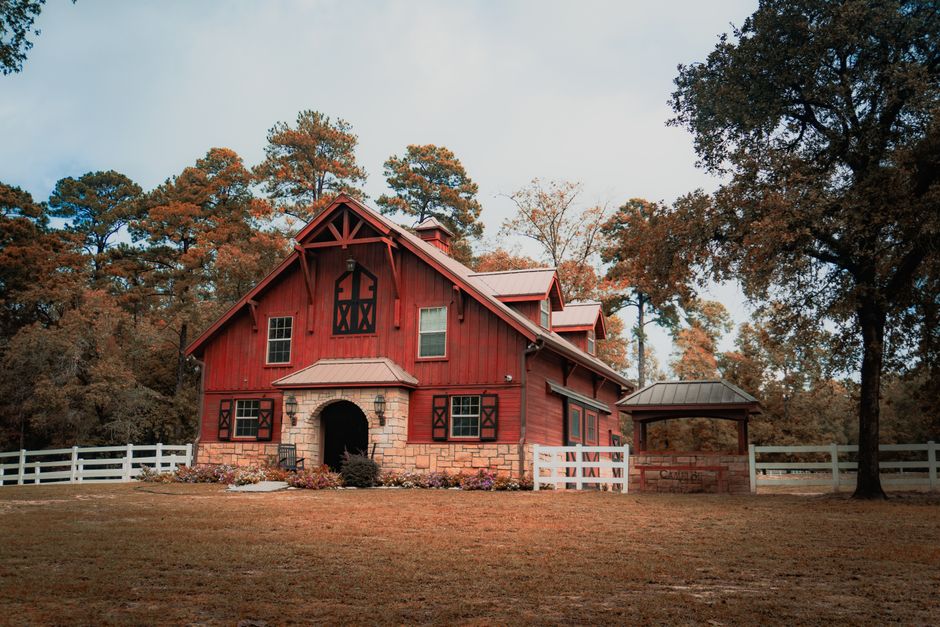
If you own land or a home with built-up equity, home equity loans and HELOCs open the door to lower interest rates and longer repayment terms, stretching up to 30 years in some cases. Because your property secures the loan, lenders view these as lower risk and price them accordingly. A home equity loan gives you a lump sum with predictable monthly payments, ideal when you have a firm contractor bid in hand. A HELOC provides a flexible draw period, which proves useful if you are building in phases or need to cover unexpected site preparation costs that surface once the dozer starts moving dirt. Most lenders require at least 15 to 20 percent equity and a solid credit history to qualify.
Agricultural and Commercial Loans
For Oklahoma producers, agricultural lenders bring something online platforms cannot: an understanding of farming cycles. Oklahoma AgCredit offers specialized barndominium and agricultural building financing with repayment schedules that align with harvest seasons and livestock sale dates. Commercial loans are available for structures that will generate income, such as rental storage units or commercial workshops, and they may carry tax advantages worth discussing with your accountant. Our lending approach includes term loans and farm property loans designed specifically for Oklahoma agribusiness owners who need capital that works on their timeline, not a banker’s calendar.
Construction Loans for Pole Barns
Larger projects, particularly barndominiums intended as primary residences, often call for a construction loan. These loans release funds in draws as the building progresses, so you pay interest only on the money you have actually used. Once construction wraps up, the loan typically converts to a permanent mortgage or term loan. Lenders like Liberty FCU offer dedicated pole barn home mortgage programs that cover both the construction phase and the permanent financing under one roof. This approach simplifies the process and locks in your long-term rate from the start.
Pole Barn Costs in Oklahoma: What to Budget For
Knowing what to expect on price helps you borrow the right amount the first time. Base building costs vary by size and materials. A 20x30x10 utility building starts around $7,230, while a larger 48x30x12 steel barn begins near $19,195. Those figures cover the structure itself, but they are not the whole story.
Site preparation in Oklahoma typically adds 15 to 25 percent to the base price. Grading, gravel base work, and concrete footings are not optional line items, they are essential to a building that stays square and dry for decades. Permit and zoning fees vary by county, so a call to your local planning office early in the process prevents expensive surprises. Most financing programs require a down payment between 10 and 30 percent, which means you should plan to have cash on hand or explore rent-to-own programs offered by some builders. Also factor in insurance: pole barns in Oklahoma may need separate wind and hail coverage depending on your location, and your lender will likely require proof of coverage before closing.
Credit Score and Eligibility Requirements for Oklahoma Borrowers
Credit score minimums span a broad range in the pole barn financing world. Some lenders accept FICO scores as low as 550, while traditional banks may look for 680 or above. Borrowers with lower scores can still find a path forward through rent-to-own programs or lenders that offer no-hard-credit-check pre-qualification, though they should expect higher rates and larger down payments as a trade-off. On the other end, borrowers with scores above 720 typically unlock the most competitive APRs, including rates in the 6.99 percent range from top-tier online lenders.
Beyond your credit score, lenders evaluate your debt-to-income ratio, generally preferring it below 43 percent, and the value of any property you put up as collateral. We know that farm income does not always arrive in neat monthly installments. Our livestock finance and seasonal finance products are built with flexible underwriting that accounts for the uneven cash flow Oklahoma producers manage every year.
Step-by-Step Guide to Getting Pole Barn Financing in Oklahoma
A methodical approach saves time and helps you secure better terms. Here is how to move from idea to funded project.
Step 1: Define Your Project Scope and Budget
Start with a clear picture of what you need. Determine the size, purpose, and features of your pole barn, whether it is for storage, livestock, a workshop, or a barndominium. Get at least three quotes from Oklahoma builders to compare pricing and timelines. Budget for the whole project, not just the building shell. Site preparation, permits, and utility hookups all add to the total, and underestimating them is the most common budgeting mistake we see.
Step 2: Check Your Credit and Gather Documents
Pull your credit report from all three bureaus and address any errors before you apply. Lenders will ask for two to three years of tax returns, recent bank statements, and proof of land ownership or a lease agreement. For agricultural loans, have your farm operating history and projected income ready to share. Being prepared signals to lenders that you are a serious borrower.
Step 3: Compare Lenders and Loan Types
Cast a wide net. Compare online lenders, local credit unions, and agricultural lenders like Oklahoma AgCredit. Request pre-qualification from multiple sources so you can compare rates without impacting your credit score. Consider how loan term length affects your monthly payment and total interest cost. Terms range from 1 to 30 years, and the right balance depends on your cash flow and long-term plans.
Step 4: Submit Your Application and Close
Once you choose a lender, complete the formal application and provide all requested documentation. Underwriting typically takes one to three weeks depending on loan complexity. Review the closing disclosure carefully, paying attention to fees, prepayment penalties, and draw schedules if you are using a construction loan. After funding, coordinate with your builder to schedule construction and any required inspections.
Oklahoma-Specific Considerations for Pole Barn Financing
Building in Oklahoma comes with its own set of rules and realities. Building permits and zoning regulations vary by county. Rural areas often have minimal restrictions, while incorporated towns may require engineered plans and formal inspections. Check with your local planning office before you break ground.
Property tax implications depend on how you use the structure. A pole barn used strictly for agricultural purposes may qualify for a lower ag-use valuation, keeping your tax bill manageable. A barndominium, however, will likely be assessed as residential property. Oklahoma’s wind and storm risk also factors into lender requirements. Many financing programs mandate engineered trusses and wind-rated doors before they will approve a loan. Local lenders who understand Oklahoma’s agricultural cycles and building conditions can help you navigate these requirements smoothly. Our farm property loans and equipment financing options are structured to work with Oklahoma’s growing seasons and commodity price fluctuations, so your financing supports your operation rather than straining it.
Frequently Asked Questions About Pole Barn Financing in Oklahoma
What’s the best way to finance a pole barn in Oklahoma?
For most Oklahoma farmers and ranchers, agricultural loans or home equity products offer the best combination of rates and terms. If you lack equity or prefer not to pledge collateral, personal loans from online lenders provide a faster alternative. The right choice depends on your credit score, project size, and whether the structure will generate income.
How many years can you finance a pole barn?
Loan terms range from 1 to 30 years depending on the lender and loan type. Some lending partners offer terms up to 30 years, while others cap at 20 years. Shorter terms of 5 to 10 years are common for personal loans, while home equity and agricultural loans often stretch to 15 or 30 years. A longer term lowers your monthly payment but increases total interest paid over the life of the loan.
Can I get pole barn financing in Oklahoma with bad credit?
Yes. Some lenders accept FICO scores as low as 550, and certain platforms offer no-credit-check pre-qualification. Rent-to-own programs from builders provide another path for borrowers who cannot qualify for traditional loans. Expect higher interest rates and larger down payments, often 20 to 30 percent, if your credit score is on the lower end.
Do I need a down payment for a pole barn loan?
Most financing programs require a down payment between 10 and 30 percent, depending on your credit score and loan type. Some agricultural lenders may offer 100 percent financing for income-producing structures. Rent-to-own options typically require little to no money down, making them accessible for borrowers with limited cash on hand.
Start Your Pole Barn Project With Confidence
Pole barn financing in Oklahoma is accessible through multiple channels, from online lenders to local agricultural credit unions that understand the land and the people who work it. Define your project scope, check your credit, and compare at least three financing options before you commit. Our team knows Oklahoma’s agricultural landscape and is here to help with term loans, lines of credit, and equipment financing tailored to your operation. A well-planned pole barn is more than a building, it is a foundation for the years ahead.
Pole Barn Financing in Pennsylvania: Your Complete Guide for 2026
If you are searching for pole barn financing PA options, you are in the right place. We understand that finding the right financing for your pole barn in Pennsylvania can feel overwhelming, but we are here to walk you through it step by step. Whether you need a new equipment shed in Lancaster County, a hay storage barn in the northern tier, or a livestock shelter in the western part of the state, this guide covers every financing option available to Pennsylvania residents. By the time you finish reading, you will know what lenders look for, what costs to expect, and how to get approved so you can move forward with confidence.
Table of Contents
Why Pennsylvania Farmers and Agribusiness Owners Choose Pole Barns
Frequently Asked Questions About Pole Barn Financing in Pennsylvania
Why Pennsylvania Farmers and Agribusiness Owners Choose Pole Barns
Pole barns have become the backbone of Pennsylvania agriculture for good reason. They offer versatile, cost-effective space for equipment storage, livestock housing, hay and grain storage, and workshop areas, all at a lower per-square-foot cost than traditional stick-built structures. Construction timelines are faster, which means less disruption to your daily operations.
Pennsylvania’s agricultural landscape, from Lancaster County dairy farms to crop operations across the central and northern counties, makes pole barns a practical investment that adapts to nearly any need. Customizable sizes and features let you match the structure to your specific operational requirements, whether that is a compact 30×30 equipment shed or a spacious 40×60 livestock barn. We understand that every farm operation is different, which is why flexible financing matters as much as the building itself.
Understanding Pole Barn Financing Options in Pennsylvania
Several financing paths are available to Pennsylvania residents, and the right one depends on your credit profile, property ownership, and project scope. Here is a breakdown of what you can expect from each option.
Personal Loans for Pole Barn Construction
Unsecured personal loans have become a popular choice for pole barn financing because they require no home equity, no appraisal, and no lien on your property. This makes them accessible for renters, those with limited equity, or anyone who wants a straightforward application process. Loan amounts typically range from $5,000 to $100,000 through lenders like Acorn Finance, with some programs offering up to $500,000 for larger projects.
Interest rates vary widely based on your credit profile. Rates can start as low as 4.99% APR with excellent credit and range up to 20.94% APR for borrowers with lower scores. One advantage worth noting: many lenders use soft credit inquiries for initial rate checks, so you can shop around without hurting your credit score. Funding can be available within 48 hours of approval, which is ideal when you need to move quickly on a construction timeline.
Home Equity Loans and HELOCs
If you own property with sufficient equity, tapping into it often provides lower interest rates than unsecured personal loans. A home equity line of credit, or HELOC, offers a flexible draw period that lets you borrow only what you need as construction progresses, which can help manage costs on larger projects.
Interest on home equity loans may be tax-deductible if the funds are used for substantial property improvements, though you should always consult a tax professional about your specific situation. Keep in mind that these loans typically require at least 15 to 20 percent equity in your property and a good credit score. Closing costs and appraisal fees add to your upfront expenses, so factor those into your total project budget before committing.
Agricultural and Farm Business Loans
Designed specifically for farmers and agribusinesses, agricultural loans understand the unique cash flow cycles that define farm operations. Term loans and lines of credit can cover pole barn construction as part of broader farm improvements, and many agricultural lenders offer seasonal payment options that allow lower payments during slow months.
Our lending approach includes flexible repayment schedules that align with harvest seasons and income patterns. These loans may require a business plan or proof of farm income, but they offer competitive rates for qualified operations. For Pennsylvania farmers looking at larger structures or multi-building projects, agricultural loans often provide the most practical path forward. When you need agricultural construction loans that account for the realities of farm life, working with a lender who understands agriculture makes a measurable difference.
Builder-Specific Financing Programs
Many Pennsylvania pole barn builders partner with dedicated lenders to offer streamlined financing. Pioneer Pole Buildings and other PA-based builders often have pre-vetted lender relationships that can simplify the application process and speed up approvals since the builder is already known to the lender.
Some builders provide design-and-quote tools that integrate directly with financing applications, letting you plan your project and explore payment options in one place. One important note: builder financing is not always the cheapest option. Always compare rates with independent lenders before signing, and treat builder programs as one option among several rather than the default choice.
Down Payment Requirements for Pole Barn Financing in PA
Most pole barn financing programs require a down payment of 10 to 30 percent of the total project cost. New Century Bank offers residential pole barn financing with as little as 10 percent down plus closing costs, which can make a meaningful difference when you are managing multiple farm expenses.
Higher credit scores, typically 720 and above, generally qualify for lower down payment requirements. The amount you put down directly affects your monthly payment and total interest over the loan term, so it is worth running the numbers at different down payment levels. We understand that every dollar counts on the farm. Plan your down payment to keep enough cash available for other operational needs like feed, seed, and equipment maintenance.
What Does a Pole Barn Cost in Pennsylvania? (Common Sizes)
Understanding realistic costs helps you target the right loan amount from the start. Here are the numbers for two of the most common pole barn sizes in Pennsylvania.
30×30 Pole Barn Costs
A 30×30 pole barn typically costs between $15,000 and $30,000 depending on materials, roof style, and site preparation. With approximately 900 square feet of usable space, this size is ideal for equipment storage or a small workshop. Financing a 30×30 pole barn often falls within personal loan limits, making it accessible without home equity or complex agricultural loan applications.
40×60 Pole Barn Costs
A 40×60 pole barn typically costs between $30,000 and $60,000, with labor accounting for 30 to 50 percent of the total. At 2,400 square feet, this size suits livestock housing, hay storage, or housing multiple vehicles and larger equipment. Projects at this scale may require agricultural loans or home equity financing to cover the higher loan amount comfortably.
Factors That Affect Your Total Cost
Site preparation, including grading, a gravel base, and permits, can add $2,000 to $8,000 depending on your property. Material choices like steel versus wood siding, insulation levels, and whether you pour a concrete floor significantly impact the final price. Pennsylvania-specific factors matter too: snow load requirements, local building codes, and permit fees vary by county. Optional features like cupolas, windows, and overhead doors add to both cost and functionality, so prioritize what your operation genuinely needs.
Credit Score Benchmarks for Pole Barn Financing
Knowing where you stand before you apply saves time and helps you target the right lenders. With excellent credit at 740 or above, you qualify for the lowest rates, often starting around 7.24% APR with AutoPay. Good credit in the 680 to 739 range still earns competitive rates, typically between 8 and 12 percent APR depending on the loan type.
Fair credit between 620 and 679 keeps you eligible for many programs, though rates may range from 12 to 18 percent APR. Below 620, options become more limited, and secured loans or larger down payments may be required. We recommend checking your credit score before applying so you know which lenders to target and can address any errors on your report.
Step-by-Step Guide to Getting Pole Barn Financing in PA
A clear process removes the guesswork. Start by determining your project scope and budget. Get quotes from at least two Pennsylvania pole barn builders so you have a realistic cost range to work with. Next, check your credit score and gather financial documents including tax returns, income statements, and bank statements.
Compare financing options across personal loans, home equity products, agricultural loans, and builder programs. Submit prequalification requests using soft credit inquiries to compare rates without impacting your score. Once you choose a lender, complete the full application and provide any additional documentation requested. Upon approval, review loan terms carefully, focusing on APR, monthly payment, loan term, and any prepayment penalties. Funds are often available within 48 hours for personal loans, at which point you can begin construction with your chosen builder.
Financing vs. Paying Cash for Your Pole Barn
Paying cash eliminates interest costs and monthly payments, but it ties up capital that could be used for other farm needs. Financing preserves cash flow for seasonal expenses, livestock purchases, equipment repairs, and unexpected costs that inevitably arise during the year.
Low-interest financing under 8 percent APR may be more advantageous than depleting your operating capital. Consider the opportunity cost: could that cash earn more through farm improvements or investments than you would pay in interest over the loan term? Our lending approach focuses on helping you maintain financial flexibility while still getting the structure your operation needs.
Tax Implications and Depreciation for Pole Barns
Pole barns used for agricultural purposes may qualify for depreciation deductions under IRS Section 179, which can offset a significant portion of your construction costs in the first year. Interest paid on agricultural loans is typically tax-deductible as a business expense, reducing your overall cost of borrowing.
Consult a tax professional familiar with Pennsylvania farm taxes to maximize eligible deductions. Keep detailed records of all construction costs, loan interest, and depreciation schedules from day one. We recommend discussing your financing plans with your tax advisor before committing to a loan structure so you understand the full tax picture.
Insurance Requirements for Pole Barns
Some lenders require proof of insurance before releasing funds, especially for larger loan amounts. During construction, builder’s risk insurance protects against damage before the structure is complete. After completion, your farm or property insurance policy should cover the pole barn’s full value.
Check with your insurance provider about coverage limits for agricultural structures in Pennsylvania, as requirements can vary by county and policy type. Factor insurance costs into your total monthly carrying costs when comparing financing options so you have an accurate picture of ongoing expenses.
Frequently Asked Questions About Pole Barn Financing in Pennsylvania
Can you get financing for a pole barn? Yes. Multiple lenders and builder programs offer pole barn financing in Pennsylvania, and the options have expanded significantly in recent years.
Do I have to put 20 percent down on a construction loan? No. Down payments range from 10 to 30 percent, with some programs offering as low as 10 percent for qualified borrowers.
How long does it take to get approved? Many lenders provide same-day qualifications, with funds available within 48 hours for personal loan products.
Can I finance a pole barn on land I do not own? Unsecured personal loans do not require property ownership, but secured loans like home equity products typically do.
What credit score do I need? Minimums vary by lender, but scores above 620 generally qualify for most programs. Higher scores unlock better rates.
Are there Pennsylvania-specific lenders? Yes. Pioneer Pole Buildings and other PA builders have local lender partnerships, and regional agricultural lenders understand Pennsylvania’s specific farming landscape.
Can I use a pole barn loan for both materials and labor? Yes, most financing covers the full project cost including construction labor, site preparation, and materials.
Start Your Pole Barn Project with Confidence
Pole barn financing is available and accessible for Pennsylvania farmers and agribusiness owners. Begin with a clear project scope, check your credit, and compare multiple financing options before deciding. Flexible financing exists to support your operational goals, not complicate them. We understand that building the right structure for your farm is an investment in your future, and we are here to help you find the financing that fits.
The Complete Guide to Pole Barn Financing in Ohio: Rates, Lenders & Requirements for 2026
If you are running a farm or ranch in Ohio, you already know that a well-built pole barn is rarely a luxury. It is a working asset. Whether you need dry storage for hay, a calving shelter that stands up to January winds, or a shop where you can overhaul equipment between planting and harvest, the right building makes everything else run smoother. The challenge is not deciding whether to build. It is figuring out how to pay for it in a way that respects your cash flow and your long-term goals. This guide walks you through pole barn financing in Ohio step by step, from loan types and current rates to local permitting and real cost estimates, so you can move forward with confidence.
Table of Contents
How Much Does a Pole Barn Cost in Ohio? (Size-Specific Estimates)
Frequently Asked Questions About Pole Barn Financing in Ohio
Why Ohio Farmers and Ranchers Are Choosing Pole Barns
Walk through any rural county in Ohio and you will see pole barns going up. There is a reason for that. These structures offer a level of versatility that traditional stick-built construction struggles to match. One building can store combines and grain carts through the winter, shelter feeder calves in the spring, and serve as a workshop during the slow months. That adaptability matters when your operation has to pivot with the seasons.
Cost is the other major factor. Pole barn construction uses fewer materials and less labor than conventional framing, which translates into a lower price per square foot. For an agribusiness watching every capital outlay, that efficiency is hard to ignore. Build times are shorter, too. A crew can often have the shell up and weathertight in a matter of weeks rather than months, meaning less disruption to the daily rhythm of chores, milking, and field work. When you are racing against Ohio’s planting window or trying to get a roof over livestock before the next cold snap, speed is not just convenient. It is essential.
Understanding Pole Barn Financing Options in Ohio
Choosing how to finance your pole barn matters as much as choosing the building itself. The right loan aligns your monthly payments with your revenue stream and keeps your working capital intact. The wrong one can strain your budget at exactly the wrong time. Here is how the main options compare for Ohio borrowers.
Personal Loans for Pole Barns
Personal loans work well for smaller projects, typically those under $100,000. If you have a FICO score of 640 or above, you will likely see offers ranging from roughly 6.99 percent APR up to 35.99 percent APR depending on your credit profile and the lender. The standout benefit is speed. Some online lenders advertise funding in as little as one to two business days, which can be a real advantage if you need to lock in a contractor’s schedule or take advantage of seasonal pricing on materials.
The trade-off is the term. Most personal loans cap out at two to seven years, which means higher monthly payments compared to longer-term products. For an Ohio farmer whose income arrives in seasonal chunks rather than steady biweekly paychecks, that compressed repayment window deserves careful thought. Many national online lenders serve Ohio residents, though state regulations can affect the rates you actually see on an offer.
Agricultural and Farm Loans

For larger projects, agricultural loans are often the better fit. These are designed specifically for working farms and ranches, and the lenders who offer them understand that your income does not look like a W-2 employee’s. Lenders such as Compeer Financial and AgriFinancial Services specialize in this space, and they typically offer longer terms, sometimes stretching to 20 years, which keeps monthly payments manageable.
Rates on agricultural loans tend to run lower than unsecured personal loans, especially for borrowers with strong farm financials. There can be tax advantages as well, particularly if the building is used for business purposes. Interest may be deductible, and the structure itself can be depreciated over time. Ohio-based agricultural lenders bring an additional benefit: they know the local crop cycles, land values, and commodity markets, which can lead to more flexible underwriting when your tax return shows the natural ups and downs of farming.
Home Equity Loans and HELOCs
If you have built equity in your farm property or home, tapping it can unlock lower interest rates than unsecured borrowing. Home equity loans come with fixed rates and predictable payments, while home equity lines of credit, or HELOCs, typically carry variable rates that move with the market. Both use your property as collateral, which is why the rates are more favorable. The interest may also be tax-deductible if the funds go toward property improvements, though you should confirm that with your tax professional.
Ohio property values have risen steadily in many counties, which means established landowners may have more borrowing power than they realize. The caution here is straightforward: you are pledging your land or home. If your operation hits a rough patch, that risk becomes very real. Weigh the rate savings against that exposure before committing.
Construction Loans (Two-Time Close)
A construction loan makes sense when you are hiring a licensed contractor for a turnkey build. The two-time close structure is worth understanding. One loan covers the construction phase, and then it converts into permanent financing once the building is complete. That single closing eliminates the need to refinance later and saves you a second round of fees.
During construction, many lenders allow interest-only payments, which eases the pressure on your cash flow while the building is going up. Once the project is finished, the loan converts to standard principal-and-interest payments. Some lenders offer this structure specifically for agricultural buildings, including barndominium shells, which can be harder to finance through conventional channels.
Current Interest Rates and Loan Terms for Ohio Borrowers
Rates in 2026 reflect a lending environment where credit profile drives the offer more than anything else. Prime borrowers with scores well above 700 can expect APRs starting around 7.24 percent with autopay discounts. On the other end of the spectrum, borrowers with scores below 640 may see rates climb above 25 percent. That spread is wide, and it underscores why checking your credit before applying is worth the effort.
Loan amounts vary significantly by lender and product type. Many personal loan providers cap at $100,000 to $150,000. Specialized agricultural lenders, however, can connect qualified borrowers with financing up to $450,000, which covers even large-scale builds. Term length is the other lever that shapes your monthly obligation. Shorter terms of three to five years reduce total interest paid but push monthly payments higher. Longer terms of 15 to 20 years ease the monthly burden at the cost of more interest over the life of the loan.
Plan on a down payment in the range of 10 to 30 percent. A larger down payment reduces the lender’s risk and can unlock better rates. For Ohio borrowers, working with a lender who understands the state’s agricultural economy can streamline approval, especially if your income follows seasonal patterns that a conventional underwriter might not immediately grasp.
What You Need to Qualify for Pole Barn Financing in Ohio
Lenders look at a handful of core factors when evaluating your application. Credit score is the first filter. Most lenders set their minimum around 600 to 640. Scores below 640 are generally considered subprime for this type of financing, though approval is still possible at higher rates.
Debt-to-income ratio, or DTI, is the next hurdle. Conventional lenders often want to see DTI below 50 percent. Agricultural lenders may be more flexible here, recognizing that farm income fluctuates and that off-farm employment often supplements the household budget. Be ready to document everything. Tax returns, profit and loss statements, and farm revenue records all help paint a complete picture of your financial health.
The project itself needs documentation, too. Lenders want a clear scope of work, a contractor bid, or a building kit invoice that spells out exactly what you are building and what it will cost. If you are planning a self-build, expect to provide more detail, not less. Lenders view DIY projects as higher risk and will want to see a detailed materials list, a construction timeline, and evidence that you have the skills to complete the work.
One practical step you can take right now: pre-qualify with a soft credit check. Several lenders offer this option, and it does not affect your credit score. Comparing offers this way gives you a realistic sense of your borrowing power before you commit to a hard inquiry.
How Much Does a Pole Barn Cost in Ohio? (Size-Specific Estimates)
The sticker price of a pole barn kit tells only part of the story. Site preparation, concrete, insulation, doors, electrical rough-in, and permits can add 30 to 50 percent to the base cost. When you apply for financing, your loan amount needs to cover the full project, not just the shell.
A 40×60 pole barn is one of the most common sizes for equipment storage and livestock housing. In Ohio, expect a total cost between $35,000 and $55,000 depending on finish level, insulation, and site conditions. A smaller 30×40 structure, often used as a workshop or for hay storage, typically runs $18,000 to $30,000. At the larger end, a 50×100 building suited for commercial agricultural use can range from $60,000 to well over $100,000.
If you are considering a barndominium shell with living quarters, the numbers climb quickly. A finished shell with basic utilities often lands between $80,000 and $150,000. These projects blur the line between agricultural and residential construction, which can complicate financing. When you gather bids, ask your contractor for a detailed line-item breakdown. That document serves two purposes: it helps you budget accurately, and it gives your lender exactly what they need to underwrite the loan.
Ohio-Specific Regulations and Permitting for Pole Barns
Ohio does not have a single statewide permitting standard for pole barns. Authority sits with county and township building departments, and requirements vary. Most jurisdictions require a permit for any structure over 200 to 400 square feet, though agricultural exemptions may apply in some zones. Call your local building department early in the planning process to confirm what triggers a permit review.
Zoning is the other piece to check. Land classified as agricultural typically carries fewer restrictions on building size, height, and use. If your property sits in a residential or mixed-use zone, you may face limits on square footage or prohibitions on certain livestock uses. Setback requirements are common across Ohio, with most counties requiring 10 to 50 feet between your barn and property lines or roadways.
Ohio’s snow load requirements, generally 20 to 30 pounds per square foot depending on your county, affect foundation and truss design. A building engineered for lighter loads may not hold up through a heavy winter. Factor this into your contractor discussions and your budget. Permit approval timelines range from two to six weeks, which can affect both your construction start date and the timing of loan draws if you are using a construction loan.
How to Choose the Right Lender for Your Ohio Pole Barn
Start by matching your project to the right loan type. A $25,000 equipment shed and a $120,000 livestock barn call for different financing structures. Personal loans work for the former. Agricultural or construction loans fit the latter. Your credit profile and timeline help narrow the field further.
Lenders with agricultural specialization deserve a close look. They understand that your income arrives after harvest, not every other Friday, and they structure payments accordingly. They also tend to offer more flexible terms and may be more willing to work with borrowers whose tax returns reflect the realities of farm depreciation and expense management.
Pay attention to rate-beat programs. LightStream, for example, offers to beat a competitor’s rate by 0.10 percent if you present a qualifying offer. That kind of program can save real money over a 15-year term. Read the fine print on fees, too. Origination fees can range from zero to eight percent, and prepayment penalties, while less common, still appear in some loan agreements. Ask whether the lender provides a dedicated point of contact. Having one person who knows your file can make the difference between a smooth closing and weeks of frustration.
Step-by-Step Application Process for Pole Barn Financing
The application process moves more smoothly when you tackle it in order. Start by pre-qualifying with two or three lenders using a soft credit check. This gives you real offers to compare without affecting your score.
Next, gather your documentation. You will need at least two years of tax returns, current income statements, a contractor bid or kit invoice, and proof of land ownership or a long-term lease. If your operation includes off-farm income, include that documentation as well.
Choose your loan type based on the project size, your credit profile, and the terms each lender offers. Submit the formal application and be ready for a hard credit pull at this stage. When the loan estimate arrives, compare the APR, monthly payment, term length, and total cost across offers. Do not fixate on the monthly payment alone. A lower payment stretched over more years often costs more in the end.
Once you accept an offer, closing and funding timelines depend on the loan type. Personal loans can fund in a day or two. Construction loans may take 30 days or more, especially if an appraisal or inspection is required.
Frequently Asked Questions About Pole Barn Financing in Ohio
Can you get financing for a pole barn in Ohio? Yes. Personal loans, agricultural loans, home equity products, and construction loans are all available to Ohio residents. Maximum loan amounts reach up to $450,000 through certain agricultural lenders.
How much does it cost to build a 40×60 pole barn in Ohio? Expect a total project cost between $35,000 and $55,000, including site preparation, concrete, and basic finishes. Costs vary by county, contractor rates, and the level of insulation and interior work you choose.
Do I have to put 20 percent down on a construction loan? Not necessarily. Down payments typically range from 10 to 30 percent depending on your credit score and the loan type. Agricultural lenders may offer lower down payment requirements for qualified borrowers with strong farm financials.
What credit score do I need for pole barn financing? Most lenders look for a FICO score of at least 600 to 640. Borrowers with scores below 640 may still qualify but should expect higher interest rates and possibly larger down payment requirements.
Are there tax benefits for financing an agricultural pole barn? If the barn is used for business purposes, you may be able to deduct the interest on your loan and depreciate the structure over its useful life. Consult a tax professional who understands agricultural operations to maximize these benefits.
Start Your Ohio Pole Barn Project with Confidence
Ohio farmers have more financing paths available than many realize. The key is matching the loan to your project size, credit profile, and the rhythm of your operation’s cash flow. Start with a soft credit check to see what you qualify for without any risk to your score. We understand that every farm is different. Whether you are putting up a hay barn, expanding livestock housing, or building the workshop you have needed for years, the right financing turns a plan into a building. Your operation deserves a partner who understands that.
Pole Barn Financing Delaware: Your Complete Guide to Funding Your Agricultural Building in 2026
A new pole barn represents more than square footage on your property. It means protected equipment, healthier livestock, organized hay storage, and room to take on the next season with confidence. If you are researching pole barn financing Delaware options, you are probably in the planning stage, comparing lenders, and trying to understand what your operation can afford without straining working capital. We understand that financing a pole barn is about more than just a building: it is about growing your operation on your terms. This guide walks you through the loan types, costs, lender comparisons, and application steps specific to Delaware’s agricultural landscape, so you can move forward with clarity.
Table of Contents
What You Need to Know About Loan Terms, Rates, and Requirements
Estimating Your Pole Barn Costs to Determine Financing Needs
Frequently Asked Questions About Pole Barn Financing in Delaware
Choosing the Right Lender for Your Delaware Pole Barn Project
Why Delaware Farmers and Ranchers Are Turning to Pole Barns
Delaware agriculture operates on tight margins and seasonal rhythms. Whether you run a poultry operation in Sussex County, row crops in Kent County, or a diversified livestock farm, you need structures that work as hard as you do. Pole barns have become the go-to solution because they deliver versatile, cost-effective space without the price tag of traditional stick-built construction.
These buildings serve multiple purposes on a single property. A well-designed pole barn can house tractors and combines, shelter cattle during winter storms, store hay away from moisture, and provide workshop space for equipment maintenance. Delaware’s coastal climate demands durable structures that can withstand humidity, wind, and the occasional nor’easter while providing functional workspace year-round. Pole barn construction meets that need with engineered post-frame designs that hold up to the elements.
Financing options have expanded significantly in recent years, making pole barns accessible to more operations without requiring farmers to tie up operating capital. The flexibility of pole barn construction aligns well with the cyclical nature of farm income. You can plan your build during the construction season and structure payments around your harvest cycle, keeping cash available for seed, feed, and daily expenses.
Understanding Your Pole Barn Financing Options in Delaware
Choosing the right financing structure matters as much as choosing the right building design. Different loan types serve different operational needs, and understanding the distinctions helps you match the financing to your farm’s cash flow.
Term Loans for Pole Barn Construction
Term loans provide a lump sum upfront with fixed monthly payments spread over a set period, typically ranging from 1 to 30 years. Loan amounts for pole barn projects vary by lender, with caps ranging from $100,000 to $450,000 depending on your credit profile and project scope. Longer terms reduce your monthly payment, which can help with farm budgeting, though they increase the total interest paid over the life of the loan.
For larger pole barn projects where predictable payments matter, a term loan offers stability. You know exactly what you owe each month and can plan accordingly. Our lending approach structures term loans around your harvest cycle, so your repayment schedule reflects when income actually hits your operation, not an arbitrary calendar.
Lines of Credit for Flexible Building Projects
A line of credit works differently. Instead of receiving the full amount at closing, you draw funds as needed during construction and pay interest only on what you use. This flexibility proves useful for phased pole barn projects or situations where final costs are not fully determined when you break ground.
Because a line of credit is revolving, you can reuse it for future farm improvements after paying down the balance. If you plan to add a lean-to, upgrade insulation, or pour additional concrete in a later phase, having an open credit line keeps those options available without a second loan application.
Equipment Financing for Pole Barn Add-Ons
The pole barn itself is often just one piece of a larger operational upgrade. You may need a new hay baler, grain cart, or livestock handling equipment to go with it. Equipment financing separates those purchases from the structure loan, using the equipment itself as collateral. This can simplify approval since the asset secures the loan directly.
Combining structure financing with equipment financing creates a complete operational upgrade without forcing everything into a single loan product. Our lending approach treats these as complementary tools: finance the barn, finance the equipment that goes inside it, and keep both on terms that make sense for your farm.
Seasonal Finance for Timing Your Project
Delaware’s row crop and livestock operations experience distinct cash flow patterns. Income concentrates during harvest or market periods, while expenses continue year-round. Seasonal finance aligns loan payments with your farm’s income cycles, allowing lower payments during off-seasons when revenue is thin.
This structure proves particularly valuable when you want to build during the construction season, typically spring through fall, without straining operating capital needed for planting, feed, or labor. You can move forward with your pole barn project knowing the repayment schedule respects your farm’s financial rhythm.
Comparing Financing Methods: Which Path Is Right for You?
Several paths lead to a funded pole barn, and the right choice depends on your specific situation. Home equity loans and HELOCs often offer the most competitive interest rates because your property secures the loan. However, they require homeownership, an appraisal, and sufficient equity, which adds time and paperwork to the process.
Unsecured personal loans, offered by lenders like HFS Financial and Acorn Finance, require no home equity and no appraisal. Funding can arrive in as little as one to seven business days. The trade-off is typically a higher interest rate compared to secured options, though rates still start as low as 5 percent APR for well-qualified borrowers.
Construction loans may offer lower rates but involve more documentation, draw schedules, and inspections throughout the build. They work well for large, complex projects but add administrative steps that some farmers prefer to avoid.
Lender partnerships in the Delaware market, including Shoreham Bank, HFS Financial, and Acorn Finance, each serve different borrower profiles. Some cater to higher-credit borrowers seeking the lowest rates. Others work with a broader range of credit scores, understanding that a credit report does not tell the whole story of a farm’s financial health. No single option is universally best. The right choice depends on your credit score, project size, timeline, and whether you want to leverage home equity or keep the loan unsecured.
What You Need to Know About Loan Terms, Rates, and Requirements
Before you apply, understanding the numbers helps you evaluate offers with confidence. Interest rates for pole barn financing start as low as 5 percent APR for qualified borrowers, according to Acorn Finance. Most lenders offer fixed rates, meaning your payment stays the same for the life of the loan, which simplifies long-term budgeting.
Loan terms span from 1 to 30 years. A shorter term means higher monthly payments but less total interest paid. A longer term reduces the monthly obligation, freeing up cash for other farm expenses, but increases the total cost of borrowing. The right balance depends on your current cash flow and future income projections.
Credit score minimums typically land around 600 FICO, though individual lender standards vary. Some may work with lower scores at higher rates, while others require stronger credit for their best terms. The key point is that you do not need perfect credit to explore your options.
Multiple lenders offer unsecured financing, meaning no home equity required, no appraisal, and no lien placed on your property. This keeps the process faster and simpler than home equity borrowing. Soft credit checks are available for prequalification through lenders like HFS Financial and Acorn Finance, so you can shop rates without impacting your credit score.
Funding speed varies by loan size. Smaller loans can fund same-day or next business day. Larger projects typically take three to seven business days from final approval to funding.
Estimating Your Pole Barn Costs to Determine Financing Needs
Before you apply for financing, you need a realistic picture of what your pole barn will cost. Construction quotes form the foundation of an accurate loan request.
Typical Cost Ranges for Common Delaware Pole Barn Sizes
A 30×40 pole barn, offering 1,200 square feet of space, serves well as an equipment shed, small livestock shelter, or hay storage building. Costs vary based on materials, foundation type, insulation, and finish level. A basic shell with a gravel floor costs significantly less than a fully insulated structure with concrete flooring, electrical work, and finished interior space.
A 40×60 pole barn provides 2,400 square feet, accommodating larger equipment, multiple livestock pens, or combined workshop and storage use. The larger footprint requires more materials and labor, and site preparation costs increase with building size. When estimating your financing needs, account for grading, drainage, and access road improvements if your site is undeveloped.
Several factors influence final cost beyond square footage: roof style and pitch, insulation requirements, door types and quantities, window placement, concrete flooring thickness, and electrical rough-in all add to the total. Getting detailed quotes from at least two Delaware contractors gives you a realistic range to bring to lenders.
Connecting Project Costs to Loan Amounts
Most lenders cap pole barn loans between $100,000 and $450,000, though actual approval amounts depend on your credit profile and income. If your project exceeds typical caps, you may need to combine financing sources or adjust the scope.
Get multiple construction quotes before applying. Accurate numbers prevent borrowing too little, which leaves you scrambling to cover shortfalls, or borrowing too much, which creates unnecessary debt service. Consider leaving room in your loan for unexpected site work or material price changes. A 10 to 15 percent buffer above the quoted price provides a safety net without dramatically changing your monthly payment.
Down payment requirements vary by lender and loan type. Some offer 100 percent financing for qualified borrowers, while others may require 10 to 20 percent down. Ask about this early in the process so you can plan your cash accordingly.
The Application Process: What Delaware Borrowers Can Expect
Applying for pole barn financing follows a straightforward path that most borrowers complete within a week. Step one is prequalification. You provide basic information about your project and finances, and the lender runs a soft credit check that does not affect your credit score. This step tells you what rates and terms you qualify for without any commitment.
Step two brings actual loan offers. Based on your prequalification, lenders present rates, terms, and maximum loan amounts tailored to your project. You can compare offers side by side to find the best fit.
Step three involves documentation. You will need income verification, such as tax returns or bank statements, along with project details and contractor information if you are working with a builder. Having these documents ready speeds the process.
Step four is final approval and funding. Once the lender reviews your documentation and approves the loan, funds typically arrive within one to seven business days. Many lenders offer dedicated specialists who understand agricultural financing. For example, Shoreham Bank provides a specific contact person for pole barn borrowers, creating a direct line to someone who knows the product and the region.
If you are working with a builder, ask whether the lender can coordinate directly with your contractor for streamlined payments. Some lenders handle disbursements to the builder as construction milestones are met, reducing your administrative burden.
Frequently Asked Questions About Pole Barn Financing in Delaware
What is the best way to finance a pole barn? The answer depends on your credit profile, home equity, and project size. Home equity loans typically offer the lowest rates but require homeownership and an appraisal. Unsecured personal loans provide speed and simplicity, funding in days without tying up your property. Construction loans work for large, complex builds but involve more paperwork. We recommend starting with prequalification to see what you qualify for across multiple loan types, then choosing the option that balances rate, term, and convenience for your situation.
How many years can you finance a pole barn? Terms range from 1 to 30 years. A shorter term saves on total interest. A longer term keeps monthly payments manageable, which matters when your farm income fluctuates seasonally. Consider your cash flow patterns when choosing a term length.
Can I finance a pole barn with bad credit? Minimum credit scores around 600 are typical for pole barn financing. Some lenders may work with lower scores, though expect higher interest rates to offset the additional risk. If your credit needs improvement, you might consider a smaller project scope or a co-signer to strengthen your application.
Do I need a down payment for a pole barn loan? Some lenders offer 100 percent financing for qualified borrowers. Others may require 10 to 20 percent down, particularly for larger loan amounts or borrowers with lower credit scores. Ask about down payment requirements during prequalification so you know what cash you will need at closing.
Are there Delaware-specific regulations that affect pole barn financing? Local building codes and zoning ordinances vary by county and municipality. Your lender can help you understand any requirements that might affect project costs or timelines, but you should also check with your local planning department about permits, setbacks, and agricultural use designations before finalizing your plans.
Can I finance a pole barn if I am building it myself? Yes, many lenders offer DIY-friendly financing. You will need to provide detailed project plans, a materials list, and cost estimates. Some lenders may require proof of construction experience or a timeline with milestones. If you are acting as your own general contractor, be prepared to document your plan thoroughly.
Choosing the Right Lender for Your Delaware Pole Barn Project
The lender you choose affects more than your interest rate. It shapes the entire borrowing experience, from application to final payment. Look for lenders with experience in agricultural financing and familiarity with Delaware’s farming communities. A lender who understands harvest cycles and seasonal income will structure terms that fit your reality, not a generic borrower profile.
Compare interest rates, loan terms, and funding speed together, not just the lowest APR. A slightly higher rate with a longer term might improve monthly cash flow more than the lowest rate on a short term. Read customer reviews to understand real borrower experiences. HFS Financial, for example, holds a 4.7-star rating on Google across 2,473 reviews and a 4.6-star rating on Trustpilot from 2,156 reviews, indicating consistent satisfaction from borrowers.
Consider whether you want a dedicated contact person. Some lenders, like Shoreham Bank through their partnership with Eastern Shore Pole Buildings, assign a specific financing specialist who knows your project from start to finish. Ask about prepayment penalties. Many pole barn lenders offer no-penalty early payoff, which gives you flexibility to pay down the loan faster if your farm has a strong year.
Our lending approach offers multiple financing solutions so you can find the right fit for your operation. Whether you need a term loan for a complete pole barn build, a line of credit for a phased project, seasonal finance that matches your income cycle, or equipment financing for the hay baler and grain cart that will fill the barn, we structure terms around how your farm actually operates. We also provide livestock finance, farm property loans, and agricultural construction loans for larger infrastructure projects. The goal is not to push a single product but to match the financing to the need.
Take the Next Step Toward Your Delaware Pole Barn
Financing a pole barn comes down to a few key decisions: which loan type fits your cash flow, which lender offers the right combination of rate and service, and what project scope your budget supports. You do not need to have all the answers before you start. Prequalification with a soft credit check lets you see your options without any commitment, giving you real numbers to work with as you plan.
Remember that financing is a tool to support your farm’s growth, not a barrier to it. The right loan keeps your operating capital intact while giving you the infrastructure your operation needs to become more efficient, more resilient, and more profitable. We understand that every farm is different. Whether you are building a 30×40 equipment shed or a 40×60 livestock barn, we are here to help you find the financing that fits your operation and your future.
Pole Barn Financing with Bad Credit: Your Complete Guide to Getting Approved in 2026
If you’re searching for pole barn financing with bad credit, you’re not alone, and you’re in the right place. We understand that farming and ranching operations don’t always fit neatly into the credit boxes that traditional lenders prefer. Equipment breakdowns, weather losses, market fluctuations, and family emergencies can leave marks on a credit report that don’t reflect who you are as a borrower or how hard you work. A pole barn is often essential for protecting livestock, storing hay, or sheltering expensive machinery. This guide walks through realistic financing options for lower-credit borrowers, what rates and terms you can expect, how to strengthen your application, and which lenders are worth your time. No sugarcoating, but no false dead ends either.
Table of Contents
Loan Types Available for Pole Barn Financing with Bad Credit
Frequently Asked Questions About Pole Barn Financing with Bad Credit
What Counts as “Bad Credit” for Pole Barn Financing?
In the context of pole barn loans, most lenders draw the line for “bad credit” below a score of 640. Steel Structures America uses this threshold, and most conventional lenders consider 620 to 640 the minimum for favorable terms. Understanding where you fall within the lower credit tiers helps set realistic expectations.

Borrowers with scores between 600 and 639 sit in the “fair” range. Options exist here, but rates climb noticeably and down payment requirements increase. Those with scores between 580 and 599 enter “poor” territory, where collateral or a co-signer becomes essential for approval. Below 580, the path narrows considerably: USDA programs, seller financing, or phased cash builds may be the only viable routes.
Agricultural lenders often bring more flexibility to the table than traditional banks. We understand farm income cycles and asset-based lending in ways that a conventional loan officer might not. Credit scores are not the only factor, either. Lenders also evaluate your debt-to-income ratio, the value of any collateral you can pledge, and your farm operation’s history. A tough season does not make you a bad borrower, and the right lender will look at the full picture.
Loan Types Available for Pole Barn Financing with Bad Credit
Personal Loans for Pole Barns
Unsecured personal loans from lenders like LightStream, Upgrade, and Prosper offer funding up to $100,000 with no collateral required. This means you do not need to pledge land, equipment, or your home to secure the loan. For borrowers with scores around 600, interest rates typically range from 18 to 24 percent APR, compared to 7 to 10 percent for excellent credit. The trade-off is clear: you pay more for the convenience and speed.
Funding speed is a major advantage here. DIY Pole Barns advertises approval in one to two days, and HFS Financial can fund smaller loans the same day or next business day. Soft credit checks for pre-qualification mean you can shop around without damaging your score further. This route works best for borrowers who need a barn quickly, do not want to tie up other assets, and can manage higher monthly payments while the structure gets built.
Home Equity Loans and HELOCs
If you own land or a home with equity, secured loans offer a path to lower rates even with moderate credit. Home equity loans and lines of credit often carry rates in the 7 to 12 percent APR range. Loan amounts can reach $450,000 through lenders like HFS Financial, though most pole barns require significantly less than that ceiling.
The trade-off is straightforward: your property serves as collateral, and the application requires an appraisal, which can take three to seven business days for larger loans. Interest may be tax-deductible if the pole barn qualifies as a home improvement or agricultural structure, though you should consult a tax professional on that point. This option works best for borrowers who own property, have at least 15 to 20 percent equity, and want the lowest possible rates while accepting the lien on their land.
Agricultural and Farm Loans
Lenders like Compeer Financial and New Century Bank specialize in agricultural lending and understand farm cash flow in ways that general lenders simply do not. These loans often accept lower credit scores, sometimes down to 580, when backed by equipment, livestock, or land as collateral. Our lending approach includes flexible repayment schedules that align with harvest cycles and seasonal income, so you are not fighting a monthly payment schedule that ignores how your operation actually earns money.
Loan terms can extend up to 30 years through some agricultural lenders, keeping monthly payments manageable even on larger builds. This path works best for established farmers and ranchers who can pledge farm assets and want terms that match agricultural cycles rather than generic consumer loan schedules. For many operations, a dedicated farm building loan through an agricultural lender represents the most sensible long-term fit.
USDA and Government-Backed Programs
USDA farm service loans may be available for rural pole barn construction, with credit score minimums as low as 580 to 620. These programs require documentation of farm income, a business plan, and proof that the structure supports agricultural operations. Interest rates typically run below market rates, but the application process is slower and more paperwork-intensive than private lending.
Eligibility is limited to rural areas and borrowers who cannot obtain commercial credit elsewhere. If you qualify, the terms are hard to beat. This path works best for beginning farmers, small operations in rural areas, and borrowers who can navigate government application processes with patience and thorough documentation.
Seller Financing and Phased Builds
If you are buying land for the pole barn, some sellers offer owner financing that bypasses traditional credit checks entirely. This approach depends on finding a willing seller, but it removes the credit score barrier from the equation. Steel Structures America also recommends building in phases: start with the slab and shell using cash or a small loan, then finish the interior over two to three years.
This phased strategy reduces the total loan amount needed and builds equity that can support refinancing later. It requires patience and a clear timeline, but it avoids high-interest debt and credit score minimums altogether. This path works best for borrowers with very low scores who have some cash reserves and can wait for the full build while spreading costs across multiple seasons.
What Rates and Terms Can You Expect with Bad Credit?
The numbers tell a clear story about what different credit tiers can expect. Borrowers with scores above 700 typically see APRs from 6.99 to 10 percent. Those in the 640 to 699 range face rates from 10 to 16 percent. At 600 to 639, rates climb to 16 to 24 percent. Below 600, if approved at all, expect rates above 20 percent.
Down payment requirements also shift with credit scores. Excellent credit may require just 10 percent down, while bad credit borrowers typically face 20 to 30 percent down, according to Timberline Buildings data. Loan terms range from one to 30 years depending on the lender and loan type. Shorter terms mean higher monthly payments but less total interest paid over the life of the loan.
The real cost difference is worth calculating before you commit. A $50,000 pole barn financed at 8 percent APR over 10 years costs roughly $607 per month. The same barn at 22 percent APR over 10 years costs roughly $1,147 per month, nearly double. Some lenders also charge origination fees of 1 to 6 percent for bad credit loans, which should be factored into your total cost calculations before signing anything.
How to Improve Your Chances of Approval
Strengthen Your Application Before Applying
Start by checking your credit report for errors. The Federal Trade Commission reports that one in five consumers have mistakes on their reports that could lower scores. Disputing and correcting these errors can yield a quick boost. Paying down credit card balances to below 30 percent utilization can raise scores by 20 to 50 points within 30 days, another fast win before applying.
Gather documentation showing stable farm income for two or more years, including tax returns, profit and loss statements, and bank records. Prepare a clear explanation of what the pole barn will be used for, whether equipment storage, livestock shelter, or hay storage, and how it will generate or protect farm income. Lenders want to see that the structure supports your operation’s financial health. A co-signer with good credit remains one of the most effective ways to secure approval and lower rates, and this option is worth exploring with family or business partners.
Write a Credit Explanation Letter
Steel Structures America recommends writing a brief letter explaining past credit issues. Medical emergencies, crop losses, equipment breakdowns, and divorce are realities that lenders understand when they have context. A 60-day late payment during a drought year tells a different story than chronic delinquency, and a short, factual letter can make that distinction clear.
Keep the letter professional and focused on what you have done since to rebuild credit: on-time payments, reduced debt, stable income. Attach it to your application. Some lenders will consider it as a compensating factor that tips the scales toward approval.
Choose the Right Lender for Your Situation
Not all lenders treat bad credit the same way. Agricultural lenders like Compeer Financial and New Century Bank bring more flexibility than national personal loan platforms because they understand the asset and income realities of farming. Use pre-qualification tools from HFS Financial, Acorn Finance, or DIY Pole Barns that perform soft credit checks only. Apply to two or three lenders within a 14-day window to minimize the credit score impact from multiple hard inquiries. Avoid payday lenders or high-interest “guaranteed approval” offers that prey on desperate borrowers with terms that make repayment nearly impossible.
Step-by-Step Application Process
Step one: determine your budget. Get quotes from pole barn builders for your desired size, whether 30 by 40, 40 by 60, or another dimension, and add 10 to 15 percent for site preparation and permits. Knowing the total project cost before approaching lenders keeps the conversation grounded in real numbers.
Step two: check your credit score for free through AnnualCreditReport.com or a credit monitoring service. You need to know where you stand before lenders tell you.
Step three: pre-qualify with two or three lenders using soft credit checks. This tells you rates and terms without hurting your score and lets you compare offers side by side.
Step four: gather required documents. Most lenders will want two years of tax returns, recent pay stubs or farm income statements, bank statements, and the builder’s quote. Having these ready speeds the process considerably.
Step five: submit full applications to your top one or two lenders. Expect decisions within one to three business days for personal loans and three to seven days for secured loans requiring appraisals.
Step six: review loan terms carefully. Focus on APR, not just the interest rate, along with the total repayment amount and any prepayment penalties that could trap you in the loan.
Step seven: receive funds and begin construction. Some lenders disburse directly to the builder; others deposit to your account. Confirm the disbursement method before closing so there are no surprises when it is time to pay the contractor.
Frequently Asked Questions About Pole Barn Financing with Bad Credit
Will banks finance a pole barn?
Yes, but typically through personal loans, home equity products, or agricultural lending divisions, not as a specific “pole barn loan” product. Traditional banks often require higher credit scores, around 680 or above, for unsecured loans. Credit unions and agricultural lenders tend to be more flexible. Our lending approach includes specialized farm property loans that recognize pole barns as income-producing assets rather than discretionary construction projects.
What’s the monthly payment on a $200,000 construction loan?
A $200,000 loan at 10 percent APR over 15 years would be approximately $2,149 per month. At 20 percent APR over 15 years, the payment climbs to roughly $3,487 per month. Keep in mind that most pole barns cost between $30,000 and $100,000. A $200,000 loan likely indicates a combined project involving the barn plus land or additional structures. Use online loan calculators to estimate payments at different rates and terms before applying, so you know exactly what you are committing to.
Can you get finance with a 500 credit score?
Options are very limited but not impossible. USDA programs, collateral-based agricultural loans, and seller financing may accept scores this low. Expect to need a co-signer, a significant down payment of 25 to 30 percent or more, and collateral equal to or exceeding the loan amount. The phased build strategy is worth serious consideration here: start with cash for the slab and shell, then finance the smaller remaining amount after improving your credit over a year or two.
What is the lowest credit score for a construction loan?
There is no single minimum, but scores below 600 face severe limitations across most lenders. USDA programs and some agricultural lenders may accept scores as low as 580 to 620 with compensating factors such as strong income, low debt, and solid collateral. Personal loan lenders typically require 600 or above. Home equity loans generally require 620 or above. Agricultural loans may go to 580 with proper documentation and a clear demonstration of farm income stability.
Alternatives If You Can’t Get Approved Right Now
Building in phases remains one of the most practical fallback strategies. Start with the foundation and shell this year, add walls and roofing next year, and finish the interior the following year. This spreads the cost across multiple seasons and gives you time to improve credit between phases. Saving aggressively for six to twelve months while working on credit can produce a $10,000 to $15,000 down payment that makes lenders far more willing to work with lower scores.
Renting storage space or equipment shelter temporarily may cost less per month than high-interest loan payments, buying you time to strengthen your financial position. Partnering with another farmer or family member who has better credit and is willing to co-sign or co-own the structure can open doors that would otherwise remain closed. If the pole barn will house specific machinery, explore equipment financing programs that may be more flexible when the loan is tied to tangible, income-producing assets.
Final Thoughts: Your Pole Barn Is Possible
Bad credit does not mean no options. It means different options with different trade-offs, and the path forward depends on your specific situation, assets, and timeline. Start with a soft credit check and a realistic budget before applying anywhere. Agricultural lenders understand farm realities in ways that generic lenders never will. We know that a tough season, a weather disaster, or a family emergency does not make you a bad borrower. Whether you are storing hay, sheltering livestock, or protecting equipment, your pole barn is within reach. Start with the steps above, and you will find the financing path that works for your operation.
Hansen Pole Barn Financing: Your Complete Guide to Funding Your Building Project
You have probably spent hours researching building options, and a Hansen Pole Buildings kit caught your attention. The design looks right, the price match guarantee gives you confidence, and you can already picture the finished structure on your property. Now comes the question that stops many farmers and property owners in their tracks: how do you pay for it? Hansen pole barn financing is more accessible than most people realize, with multiple paths available depending on your credit profile, property situation, and how you plan to use the building. This guide walks you through every option, from personal loans to specialized agricultural financing, so you can move forward with clarity. Hansen Pole Buildings has served customers since 2002 and holds an A+ rating with the Better Business Bureau, giving you a reliable foundation to build on. By the end of this guide, you will know exactly which financing path fits your operation and how to move forward.
Table of Contents
Why Hansen Pole Buildings Are a Smart Investment for Your Farm or Property
What Does a Hansen Pole Barn Actually Cost? (Beyond the Kit)
Why Hansen Pole Buildings Are a Smart Investment for Your Farm or Property
A pole barn represents more than just a structure on your land. It is working space that earns its keep year after year, whether you are storing hay, sheltering livestock, protecting expensive equipment, or creating a workshop for daily operations. Hansen Pole Buildings has been delivering quality kits since 2002, and that two-decade track record matters when you are making a five-figure investment in your property.
The versatility of a pole barn makes it one of the most practical additions you can make to a farm or ranch. Equipment storage alone can save thousands in repair costs by keeping tractors, balers, and grain carts out of the weather. Livestock housing improves herd health and calving success rates. A dedicated workshop space means you stop working in borrowed corners of old sheds. Each of these uses adds measurable value to your operation and your property.
Hansen backs its buildings with a price-match guarantee, meaning if you find a competitor quoting a lower price for the same specifications, Hansen will match it. That commitment to fair pricing, combined with their network of authorized builders who know how to assemble these kits correctly, removes two of the biggest headaches in any construction project: cost uncertainty and contractor quality. You get competitive pricing without sacrificing the materials or support you need for a building that will stand for decades.
Understanding Your Hansen Pole Barn Financing Options
Financing a pole barn is not a one-size-fits-all situation. The right loan for a hay storage building on 40 acres looks different from the right loan for a residential workshop on a suburban lot. Four main paths exist, and understanding each one helps you make a confident decision.
Personal loans offer speed and simplicity. Home equity products tap into value you have already built. Agricultural and business loans recognize that farm income follows seasonal patterns. Construction loans cover turnkey projects from groundbreaking to final inspection. Hansen works with partner lenders who understand agricultural construction, which streamlines the application process compared to walking into a bank that rarely handles farm building loans. We recommend starting with Hansen’s financing questionnaire to get matched with appropriate lending partners who understand your specific project type.
Personal Loans for Pole Barn Projects
An unsecured personal loan can be the fastest route to funding for a pole barn project, especially if your credit score is strong. Because these loans do not require you to put up land or equipment as collateral, approval decisions often come within days rather than weeks. The trade-off is that interest rates run higher than secured loan options, and loan amounts typically cap between $5,000 and $50,000, though some lenders go higher for well-qualified borrowers.
Personal loans work best for smaller pole barn projects or for borrowers who do not want to tie their property to the loan. If you are ordering a modest kit for equipment storage and plan to handle site preparation and assembly yourself, a personal loan might cover the full project cost without the paperwork burden of a secured loan. Borrowers with credit scores above 680 generally qualify for the most competitive rates in this category.
Home Equity Loans and HELOCs
If you own your home and have built equity over the years, that equity becomes a powerful financing tool. A home equity loan gives you a lump sum at a fixed interest rate, with predictable monthly payments spread across five to twenty years. A home equity line of credit, or HELOC, works more like a credit card secured by your property: you draw funds as needed during the construction process and only pay interest on what you use.
Through partners like HFS Financial, loan amounts can reach $450,000, which covers even large, fully finished pole barn projects. Interest rates on home equity products typically run lower than personal loans because the lender has your property as security. There is also a potential tax benefit: if the pole barn qualifies as a home improvement, the interest may be tax-deductible. Consult your tax advisor to confirm eligibility for your specific situation.
Agricultural and Business Loans
For farmers and ranchers building for operational use, agricultural loans offer terms designed around the realities of farm income. Lenders who specialize in agricultural lending evaluate your farm’s income history, your overall operation, and the building’s role in generating revenue, not just your personal credit score. This broader view often opens doors for borrowers whose credit profiles might not qualify for conventional personal loans.
Our lending approach recognizes that farm cash flow follows harvest cycles, not calendar months. Agricultural business loans structured with seasonal repayment schedules let you make larger payments when income is strong and smaller payments during leaner months. If your pole barn will house livestock, livestock financing options can fold the building cost into a broader operational loan. For equipment storage needs, term loans and equipment financing products provide dedicated funding with terms that match the useful life of the building itself. We understand that a pole barn is productive infrastructure, and our lending products reflect that reality.
Construction Loans for Turnkey Projects
If you plan to hire a general contractor for a complete build, from site preparation through finishing, a construction loan covers the entire project under one lending arrangement. The lender releases funds in stages, called draws, as the contractor hits predetermined milestones: foundation poured, framing complete, roof on, interior finished. During construction, you typically make interest-only payments on the amount drawn so far.
Once the building is complete, the construction loan converts to a permanent mortgage or term loan with principal-and-interest payments. This structure works well for larger, custom projects where you want a single lender managing the entire process and where the building’s final appraised value supports the loan amount. Lenders view turnkey projects as lower risk because licensed contractors provide predictable timelines and costs, which can translate to more favorable loan terms.
What Does a Hansen Pole Barn Actually Cost? (Beyond the Kit)
The kit price you see in a Hansen quote covers the engineered building package: posts, trusses, metal siding and roofing, fasteners, and plans. That is the starting point, not the finish line. A common 30×30 pole barn kit might range from $8,000 to $15,000 depending on features like insulation, door openings, and roof style, but the total project cost often reaches $25,000 to $50,000 or more once everything is complete.
Site preparation is typically the largest additional expense. Your building site needs to be level, with proper drainage and, in most cases, a concrete slab or foundation. Concrete work alone can add $5,000 to $12,000 for a 30×30 footprint. Electrical service, insulation, interior wall finishes, and climate control each add to the budget. Local factors matter too: soil conditions affect foundation costs, access challenges can increase labor hours, and regional differences in labor rates shift the final number significantly.
When you apply for financing, borrow for the complete project, not just the kit. Hansen provides free quotes within 48 hours, which gives you a solid kit cost to build your budget around. From there, get contractor estimates for site work, concrete, and any labor you plan to hire out. Presenting your lender with a complete project budget, rather than just a kit invoice, increases your chances of approval and ensures you are not scrambling for additional funds mid-project.
Qualification Requirements for Hansen Pole Barn Financing
Lenders evaluate several factors when you apply for pole barn financing, and knowing what they look for helps you prepare a strong application. Hansen’s pre-application questionnaire asks about property ownership, existing mortgages, intended building use, and credit score, which tells you exactly what matters to their lending partners.
Most lenders set a minimum credit score between 550 and 600 for pole barn financing, with better rates and terms available as your score climbs. Down payment expectations typically range from 10 to 30 percent of the total project cost. Whether you own your land free and clear or carry a mortgage affects your borrowing options and the interest rate you qualify for. The building’s intended use also matters: an agricultural equipment storage building may qualify for farm loan programs that a residential workshop would not.
How Your Credit Score Affects Your Financing
Your credit score is the single biggest factor in determining your interest rate and down payment requirement. Borrowers with scores above 740 typically qualify for the best advertised rates and can often secure financing with a 10 percent down payment. Scores between 680 and 739 open the door to competitive terms from most lenders, though you may see slightly higher rates than top-tier borrowers.
Scores from 550 to 679 can still qualify for pole barn financing, particularly through agricultural lenders who consider your full financial picture. Expect higher down payment requirements in this range, often 20 to 30 percent, and interest rates that reflect the additional risk the lender is taking on. If your score falls below 550, or if you are in the lower end of the qualifying range and want better terms, consider delaying your project by six to twelve months to build credit. Paying down credit card balances, correcting any errors on your credit report, and making all payments on time can meaningfully improve your score in that window.
Down Payment Strategies for Pole Barn Financing
Coming up with 10 to 30 percent of a $40,000 project means writing a check for $4,000 to $12,000 before the first post goes in the ground. That is real money, and we understand that farm operations often have capital tied up in equipment, livestock, and inputs. Several strategies can reduce the cash burden.
Borrowers with strong credit and a healthy debt-to-income ratio can often secure financing with a 10 percent down payment, keeping more cash in your operating account. If you own your land outright, you may be able to use the property as equity to reduce or eliminate the cash down payment requirement. For agricultural loans, some lenders accept equipment or livestock as collateral in lieu of a larger cash down payment, recognizing that farm assets represent real value even if they are not liquid. Our line of credit and seasonal finance products can also help bridge cash flow gaps, providing working capital for the down payment while preserving your operating funds for day-to-day expenses.
Kit vs. Turnkey: How Your Build Approach Affects Financing
The way you plan to build your pole barn changes the financing conversation. A DIY kit build, where you order the Hansen package and handle construction yourself or with local help, requires a different loan structure than hiring a general contractor for a turnkey project.
For kit builds, your loan typically covers the kit cost plus materials like concrete and electrical supplies. Because you are providing the labor, the total loan amount is smaller, which can make approval easier and reduce your monthly payments. The trade-off is that lenders may scrutinize your construction experience or ask for a detailed project plan to ensure the building gets completed. An unfinished pole barn does not serve as good collateral.
Turnkey projects require larger loans since you are financing both materials and professional labor, but lenders often view them as lower risk. A licensed contractor provides a fixed bid, a construction timeline, and accountability for the finished product. The lender knows the building will be completed to code and appraised at its finished value. Hansen’s authorized builder network offers a middle ground: professional installation using Hansen’s engineered kits, giving you quality construction with the pricing advantages of a kit package. For larger or more complex builds, agricultural construction loans can cover the full scope of a turnkey project with terms designed for farm and ranch operations.
Step-by-Step: How to Apply for Hansen Pole Barn Financing
The application process moves faster when you know what to expect and have your documentation ready. Start by visiting Hansen’s financing page and completing their pre-application questionnaire. This form asks about your property ownership status, existing mortgage, credit score range, and how you plan to use the building. Your answers route you to lending partners whose products match your situation, saving you from applying to lenders who cannot serve your needs.
Gather your documentation before you apply. Lenders will want proof of income, which for farmers and ranchers typically means tax returns from the past two or three years. If you own the land, have your property deed ready. If you carry a mortgage, know your current balance and monthly payment. Bank statements, a list of assets including equipment and livestock, and a breakdown of your project costs all strengthen your application.
Once you submit applications through Hansen’s partner network, you will typically receive pre-qualification decisions within 24 to 48 hours. Compare the offers carefully: look at interest rates, repayment terms which commonly range from five to twenty years, and any prepayment penalties that could cost you if you pay off the loan early. Full approval and funding usually takes two to four weeks, depending on loan complexity and how quickly you provide requested documentation. Coordinate the funding timeline with your building schedule so materials can be ordered and construction can begin without delays.
Frequently Asked Questions About Hansen Pole Barn Financing
Can you get financing for a pole barn?
Yes, financing is widely available for pole barn projects. Hansen’s partner lenders offer loans up to $450,000 for qualifying projects, covering everything from small equipment sheds to large commercial buildings. Agricultural, residential, and commercial uses each have dedicated loan products, so your building’s purpose does not prevent you from securing funding.
What is the minimum credit score for Hansen pole barn financing?
Hansen’s financing questionnaire starts at a credit score of 550, and their partner network includes lenders who work with a range of credit profiles. Higher scores unlock better interest rates and lower down payment requirements, but a score in the 550 to 650 range does not automatically disqualify you, particularly for agricultural loans where lenders evaluate your full operation.
How long does Hansen pole barn financing take to approve?
Most partner lenders provide pre-qualification within 24 to 48 hours of receiving your application. Full approval and funding typically takes two to four weeks, depending on the complexity of your loan and how quickly you submit supporting documentation like tax returns and property records.
Does Menards finance pole barns?
Menards offers a store credit card and project financing through third-party partners, but these products are not specifically designed for pole barn construction. Loan limits tend to be lower, and the terms may not reflect the long-term value of a permanent building. Hansen’s dedicated agricultural and construction lending partners typically provide better rates, higher loan limits, and terms that match the useful life of a pole barn.
Take the Next Step Toward Your Hansen Pole Barn
You now have a clear picture of your financing options, what lenders look for, and how the application process works. The path from a Hansen quote to a finished building on your property is straightforward when you match the right loan to your situation.
We understand that every farm and ranch operation is unique. Our lending approach focuses on flexibility because we know that a hay barn, a livestock shelter, and an equipment storage building each serve different purposes and generate value in different ways. Whether you need equipment financing to protect your machinery investment, livestock finance for a new barn that supports herd expansion, or hay baler financing to keep your equipment out of the weather, we are here to help you find the right fit. Start with Hansen’s free quote and financing questionnaire to see what is possible for your project. Our team is ready to walk through your options and find the financing that works for your operation and your budget.
Acorn Pole Barn Financing: A Complete Guide for Farmers and Agribusiness Owners
If you are running a farm or ranch, you already know that a well-built pole barn is not a luxury. It is essential infrastructure. Whether you need dry storage for hay, a secure equipment shed for your tractors and grain carts, or a covered shelter for livestock, the right building protects your assets and keeps your operation running smoothly. The challenge for many farmers is not deciding whether to build. It is figuring out how to pay for the project without draining the cash reserves you need for seed, feed, and seasonal operating expenses. That is where acorn pole barn financing enters the picture. It offers a practical path to breaking ground on your 2026 building plans without putting your land or home equity on the line. This guide walks you through exactly how this financing works, what it costs, and whether it fits your operation.
Table of Contents
What Is Acorn Pole Barn Financing and How Does It Work?
Acorn Finance is not a bank or a direct lender. It is a lending marketplace that connects borrowers with a network of financial institutions offering unsecured personal loans. When you apply for acorn pole barn financing, you are actually submitting one application that reaches multiple lenders at once. This structure lets you compare real offers side by side, rather than shopping around from bank to bank on your own.
The key advantage here is that these are unsecured loans. You do not need to pledge your farm, your land, or your home as collateral. For a farmer who has spent years building equity, that is a significant relief. The application process starts with a 60-second pre-qualification that uses a soft credit check, meaning your credit score stays untouched while you explore your options. Once you review the offers, you choose the APR and term that work for your budget, and funds can arrive as soon as the same business day or within three to seven business days for larger amounts.
These loans can cover the full scope of your project. That includes materials, labor, permits, concrete work, and site preparation, not just the building shell itself. Acorn pole barn financing is available for agricultural, residential, and commercial post-frame buildings, so whether you are putting up a hay barn, a machine shed, or a farm workshop, the loan structure adapts to your needs.
Loan Amounts, APRs, and Terms You Can Expect
Loan Amount Range
Most projects qualify for $5,000 to $100,000 through Acorn’s lender network, though some lenders in the marketplace offer up to $500,000 for larger operations. We understand that a 40-by-80-foot pole barn for hay storage carries a different price tag than a 30-by-40-foot equipment shed. The loan amount scales with your project scope, and there is no minimum equity or land value requirement, unlike traditional construction loans that tie borrowing power to appraised property value.

APR and Interest Rates
Annual percentage rates start as low as 4.99% for well-qualified borrowers and range upward to 35.99%, depending on your credit profile and the loan term you select. Your credit score, debt-to-income ratio, and the total amount you borrow all interact to determine your specific rate. A borrower with a 720 credit score and low existing debt will see offers at the lower end of that range, while someone with a 620 score and higher monthly obligations will land higher. The soft credit check pre-qualification means you can shop rates without any damage to your credit file, so there is no penalty for seeing what you qualify for.
Loan Terms and Repayment
Terms range from two to seven years for shorter loans and extend up to 20 years for larger projects through select lenders. Monthly payments are fixed, which makes it easier to budget around seasonal income cycles. You know exactly what you owe each month, whether it is planting season, harvest, or the slower winter months. Most loans carry no prepayment penalties, so if your harvest is strong and you want to pay off the balance early, you can do so without extra fees.
Acorn Pole Barn Financing vs. Traditional Construction Loans
Traditional construction loans work differently, and the contrast matters when you are deciding how to fund your build. A conventional construction loan typically requires a 20 to 25 percent down payment and uses the land or the completed building as collateral. The lender often sets a draw schedule tied to construction milestones, meaning an inspector may need to verify progress before the next round of funds is released. Rates on these loans are frequently variable, which introduces uncertainty into your long-term budgeting.
Acorn pole barn financing through unsecured personal loans requires zero down payment and no home equity. There is no draw schedule to manage, no inspector to wait on, and no variable rate to keep you up at night. Funding is faster, sometimes same-day, and the paperwork is simpler. Our lending approach recognizes that agricultural operations need flexibility. If you are building in the off-season and need capital before harvest revenue arrives, unsecured financing can bridge that gap without the delays and complexity of a traditional construction loan.
Who Qualifies for Acorn Pole Barn Financing?
Minimum credit score requirements vary by lender, but many in the Acorn network accept scores in the 600 to 640 range. Higher scores unlock lower APRs, so if your credit is strong, you will see better offers. Steady income and a manageable debt-to-income ratio are the primary qualifiers. Lenders want to see that you can handle the monthly payment alongside your existing obligations.
You do not need to own your land outright. Renters and leaseholders can also qualify for pole barn financing, which opens the door for farmers operating on leased acreage who still need permanent structures. Self-employed farmers and ranchers are welcome. Lenders evaluate tax returns and bank statements, not just W-2 forms, so your agricultural income counts. The soft credit check means you can find out if you qualify without any risk to your credit profile. There is no reason not to explore your options.
What Can You Build With Acorn Pole Barn Financing?
The range of eligible projects is broad. Agricultural buildings top the list: equipment storage, livestock shelters, hay barns, grain storage, and machine sheds all qualify. Farm workshops and maintenance bays where you repair tractors and implements are also covered. Commercial agricultural buildings, including produce packing sheds, feed storage facilities, and livestock handling structures, fit within the financing scope. Residential outbuildings like garages, hobby barns, and RV storage are eligible as well.
DIY pole barn kits are included. Financing can cover the kit cost, delivery, concrete, and site preparation, so you are not limited to contractor-built projects. Our lending approach supports the full range of post-frame construction, from simple open-sided shelters to complex multi-purpose buildings that serve your operation year-round.
How to Get the Best Rate on Acorn Pole Barn Financing
Start by checking your credit report before you apply. Dispute any errors that could be dragging your score down. Even a small correction can shift you into a better rate tier. When you receive multiple lender offers through the Acorn marketplace, compare them carefully. Do not accept the first offer that appears. Look at the APR, the monthly payment, and the total interest cost over the life of the loan.
Consider a shorter loan term if your cash flow allows it. You will pay less interest overall, even if the monthly payment is higher. Apply when your debt-to-income ratio is lowest. We understand that farming income is seasonal. Timing your application for after harvest, when your revenue is strongest and before you make major equipment purchases, can improve the offers you receive. If your credit needs work, consider waiting six to twelve months to improve your score, or bring in a co-signer with stronger credit to access better rates.
Common Questions About Acorn Pole Barn Financing
Is Acorn Finance Legit?
Yes. Acorn Finance holds a 4.7 out of 5 star rating on Trustpilot from over 1,200 reviews, and the platform is free for borrowers. Lenders in their network are vetted and regulated. You see actual offers with real terms before you commit to anything.
Do I Need a Down Payment?
No. Unsecured personal loans through Acorn require zero down payment, unlike traditional construction loans that demand 20 to 25 percent upfront. You finance the full project cost and begin repayment on a fixed schedule.
Can I Get 0% APR Financing?
Zero percent APR promotional financing is available only for qualified contractors through Acorn, not for consumers directly. For most farmers, the best available APR will fall in the 5 to 15 percent range depending on credit profile and loan term.
Will a Credit Check Hurt My Score?
The initial pre-qualification uses a soft credit check that does not affect your credit score. Only when you formally accept a loan offer will a hard pull occur, and by then you already know the terms you are getting.
How Fast Can I Get the Money?
Smaller loans can fund same-day or the next business day. Larger projects typically fund within three to seven business days, which is still significantly faster than traditional construction loan timelines.
Alternatives to Acorn Pole Barn Financing
Acorn is not the only option, and the right choice depends on your project size and circumstances. HFS Financial offers loans up to $500,000 with funding up to 120 percent of project cost, which can help if your build runs over budget. Morton Buildings provides in-house financing for their structures, allowing borrowing up to 75 percent of the building and land value. Farm Credit organizations like Compeer Financial serve specific regions, including parts of Minnesota, Wisconsin, and Illinois, with agricultural-specific terms.
Local banks and credit unions may offer construction loans with competitive rates if you have an existing relationship. Our lending approach includes multiple options beyond unsecured financing. Term loans, lines of credit, and seasonal finance products can all play a role in funding your build or covering related costs. For example, if you are putting up a new barn and also need to finance the equipment going inside it, our equipment financing programs can cover tractors, hay balers, and grain carts separately from the structure itself. For larger agricultural construction projects, you may want to explore our agricultural construction loans as a complementary resource.
Tips for a Smooth Acorn Pole Barn Financing Experience
Have your project plans and cost estimates ready before you apply. Lenders may ask for details about the scope of work, and having those numbers at hand speeds the process. Know your credit score and debt-to-income ratio ahead of time so you can set realistic expectations about the offers you are likely to receive. Read the fine print on origination fees, prepayment penalties, and late payment policies. If you are building the pole barn yourself, confirm that your loan covers DIY materials and site preparation. Most do, but it is worth verifying. We understand that building a pole barn is a major investment. Take the time to compare at least three to five offers before making a decision.
Is Acorn Pole Barn Financing Right for Your Farm?
This financing path works best for farmers who need fast, flexible funding without putting up collateral or home equity. It is ideal for projects under $100,000 where a traditional construction loan would be overkill, and it fits seasonal operations that need capital before revenue arrives. It is not the best fit if you have poor credit below 600 or need more than $500,000 in total financing. Our lending approach is built around agricultural realities. If you are unsure which option matches your operation, we are here to help you evaluate the choices, whether that means unsecured financing, a farm building loan, or a combination of products that cover both the structure and the equipment inside it.
Lorem ipsum dolor sit amet, consectetur adipiscing elit. Ut elit tellus, luctus nec ullamcorper mattis, pulvinar dapibus leo.

