
Produce farm financing, agricultural land financing, farm line of credit, combine harvester financing, and agricultural working capital provide farmers with the financial resources needed to purchase land, acquire essential harvesting equipment, maintain healthy cash flow, and support efficient crop production.
By using these financing solutions, agricultural producers can expand their operations, manage seasonal expenses, invest in modern harvesting technology, and position their farms for long-term growth and profitability.
Long-term financing for major investments like land, infrastructure, and expansion projects.
Flexible access to funds whenever your business needs working capital.
Designed to support farming cycles, covering input costs before harvest revenue arrives.
Purchase new or used agricultural machinery with structured repayment plans.
Funding for buying, breeding, and expanding livestock operations.
Industry-focused agricultural financing experts
Flexible repayment plans aligned with crop cycles
Competitive interest rate structures
Fast approval and simple application process
Funding for both small farms and large agribusiness operations
Personalized financial support and advisory
Improve farm productivity and efficiency
Expand agricultural operations and land ownership
Maintain stable cash flow during off-season periods
Invest in modern technology and equipment
Strengthen long-term business growth
Reduce financial pressure during seasonal cycles
Farmers and agricultural landowners
Agribusiness companies of all sizes
Livestock and dairy operators
Agricultural processors and suppliers
Rural business owners involved in food
Affiliate Disclosure: We are an affiliate marketing website and may receive compensation from lending partners. We are not a lender, do not make credit decisions, and do not guarantee approval. Loan terms and rates are determined by individual lenders.
They can be used for land purchase, equipment, livestock, farm expansion, and working capital.
Yes, repayment structures can be aligned with agricultural income cycles.
Approval time depends on documentation, but flexible fast-track options are available.
Yes, both small and large agribusinesses are eligible.
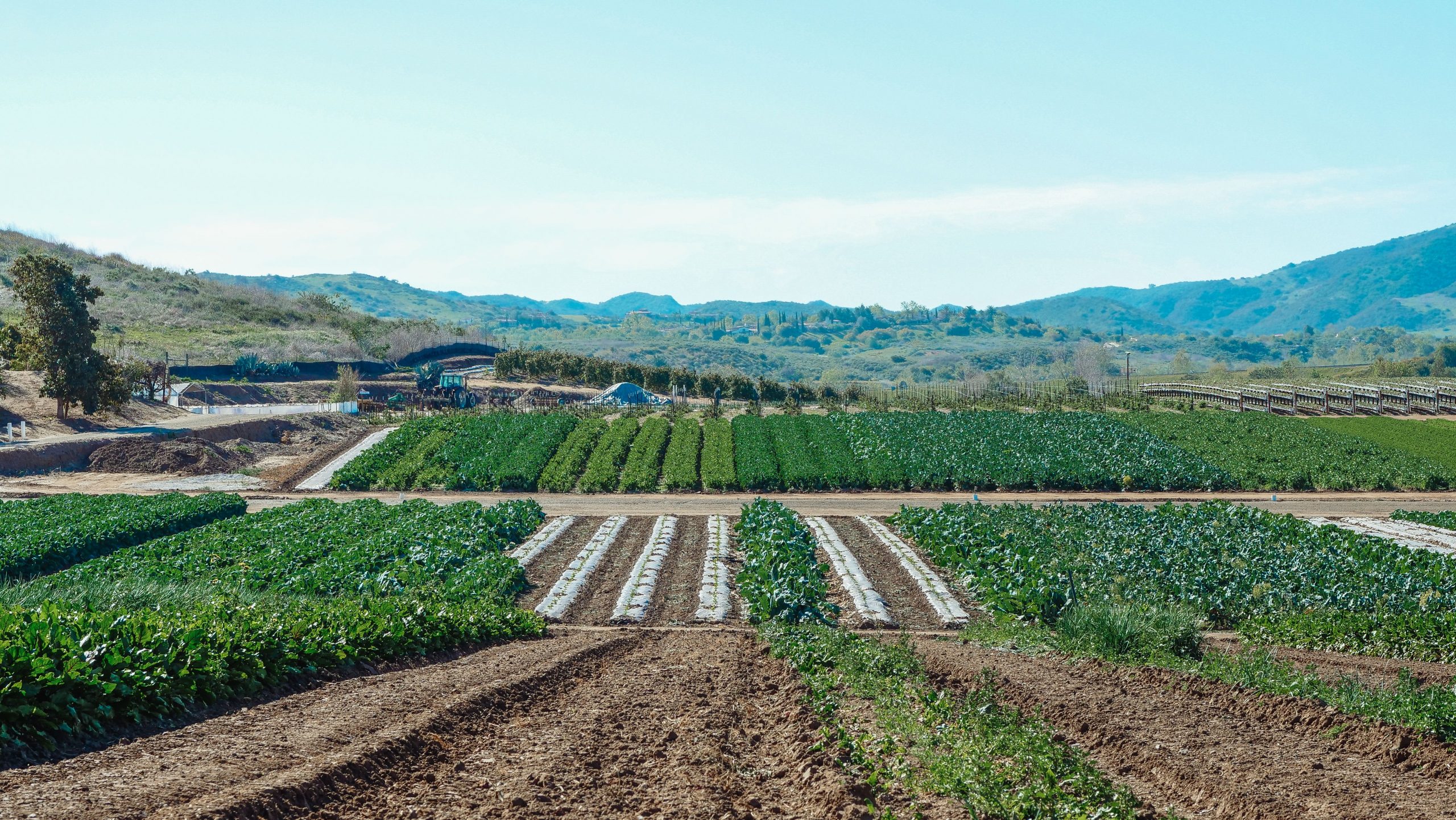
Fresh produce farming is one of the most demanding sectors of agriculture. Fruit and vegetable growers must carefully manage planting schedules, irrigation, labor, harvesting, transportation, and storage while dealing with changing weather conditions and fluctuating market prices. Success requires not only excellent farming practices but also access to reliable financing that allows producers to invest in land, equipment, and daily operations.
Whether growing lettuce, tomatoes, peppers, onions, melons, berries, sweet corn, or specialty vegetables, today’s produce farmers need dependable capital to remain competitive. Financing helps producers expand acreage, purchase advanced harvesting equipment, manage seasonal expenses, and maintain healthy cash flow throughout the growing season.
This guide explains several financing options available to produce farmers and how strategic investments can strengthen long-term agricultural success.
Unlike many businesses, produce farms spend significant money long before earning revenue.
Typical annual expenses include:
Because harvest income may arrive months after planting, financial planning is critical.
Reliable financing allows producers to continue operating efficiently without interrupting production.
Modern produce growers face numerous financial challenges.
These include:
Despite these challenges, strong demand for fresh fruits and vegetables continues creating opportunities for well-managed farming operations.
Growing fruits and vegetables requires continuous investment throughout the production cycle.
Produce farm financing provides capital for projects that improve productivity, expand operations, and strengthen long-term profitability.
Financing may be used for:
Access to financing allows growers to focus on production instead of delaying necessary investments.
Well-structured financing creates several advantages.
Farmers can invest when opportunities arise rather than waiting to accumulate cash.
Modern equipment and infrastructure improve operational efficiency.
Timely investments help produce healthier, more marketable crops.
Strategic financing supports gradual expansion while preserving operating capital.
Many successful produce farms grow steadily over time through disciplined investments.
Quality farmland remains one of agriculture’s most valuable assets.
Important characteristics include:
Purchasing productive farmland often represents one of the largest investments a farming business will make.
Purchasing farmland allows producers to increase production while building long-term equity.
Agricultural land financing helps farmers acquire property without paying the full purchase price upfront.
Common land purchases include:
Owning farmland often provides greater stability than relying on leased property.
Many producers also view farmland as a long-term business investment that may appreciate over time.
Land ownership offers several important benefits.
Ownership eliminates uncertainty surrounding lease renewals.
Additional acreage allows farms to diversify crops and increase production.
Loan payments gradually build ownership in valuable real estate.
Owned land frequently strengthens future financing opportunities.
These benefits make farmland one of the most valuable assets within an agricultural business.
Produce farming follows seasonal income cycles.
Large expenses often occur months before crops are harvested and sold.
Farmers frequently need capital for:
Maintaining healthy cash flow helps farms continue operating without interruption.
Agricultural businesses often need flexible financing throughout the growing season.
A farm line of credit provides revolving access to working capital that can be borrowed, repaid, and reused as operational needs change.
Common uses include:
Unlike traditional installment loans, a line of credit allows producers to borrow only the amount needed while paying interest on the outstanding balance.
This flexibility makes it an important financial tool for many produce farms.
Successful produce farms rarely expand through a single large investment.
Instead, growth usually occurs gradually through improvements such as:
Developing a multi-year capital improvement plan allows farmers to prioritize projects based on expected returns while maintaining financial stability.
Consumer demand for fresh, locally grown produce continues growing across many markets.
Operations that invest strategically in land, infrastructure, and financial management are often better positioned to meet future demand while adapting to changing production practices and technologies.
Thoughtful financing decisions today can create stronger, more resilient produce farms capable of supporting families and communities for generations.
As produce farms expand, investments in harvesting equipment and operating capital become increasingly important. Efficient harvesting reduces crop losses, improves product quality, and allows growers to deliver produce to market quickly. At the same time, maintaining sufficient working capital ensures that farms can continue operating smoothly during every stage of the growing season.
Financing gives producers the flexibility to invest in these essential areas while preserving cash flow for everyday expenses.
Harvest season is often the busiest and most time-sensitive period of the year.
Modern harvesting equipment helps producers:
Efficient harvesting allows farms to maximize the value of every acre.
Harvesting equipment represents one of the largest equipment investments on many crop farms.
Combine harvester financing allows producers to purchase or upgrade harvesting equipment without making a large upfront cash payment.
Equipment commonly financed includes:
Modern combines improve harvesting accuracy while reducing grain loss and operating costs.
For diversified farms, newer harvesting equipment can significantly increase seasonal productivity.
Today’s harvesting equipment provides several important advantages.
Larger machines cover more acres in less time.
Modern technology improves harvesting accuracy and minimizes waste.
Automation reduces dependence on seasonal labor.
Advanced monitoring systems help operators optimize machine performance throughout harvest.
These improvements often generate savings over many growing seasons.
Every successful produce farm depends upon reliable operating capital.
Daily expenses continue even when crops remain in the field.
Examples include:
Managing these expenses effectively allows producers to remain financially stable throughout the growing season.
Strong liquidity helps agricultural businesses remain flexible.
Agricultural working capital provides funding for short-term operating expenses while farms wait for harvest revenue.
Working capital commonly supports:
Adequate working capital reduces financial stress while allowing producers to respond quickly to changing conditions.
Maintaining available capital creates several important benefits.
Farmers can purchase supplies when needed instead of delaying important decisions.
Unexpected repairs and weather events can often be addressed immediately.
Timely payments frequently improve long-term vendor relationships.
Reliable cash flow supports uninterrupted production throughout the growing season.
Financial flexibility often becomes one of the greatest competitive advantages for successful agricultural businesses.
Long-term success rarely comes from one investment alone.
Many produce farms gradually strengthen their operations by combining:
This balanced approach often reduces financial risk while supporting steady business growth.
Although every lender has different underwriting standards, most evaluate similar information.
Strong repayment history generally improves financing opportunities.
Operational experience demonstrates management capability.
Applicants should prepare:
Collateral commonly includes:
Maintaining organized financial records often simplifies the application process.
Agriculture always involves uncertainty.
Common risks include:
Successful producers often reduce risk by:
Careful planning helps farms remain resilient during changing market conditions.
The following chart illustrates one example of how a produce farming operation might allocate financing across major investment categories.
Illustrative allocation of financing across major produce farm investments.
0%8%16%24%32%FarmlandHarvest EquipmentWorking CapitalIrrigationStorage FacilitiesEmergency Reserve
This chart is for educational purposes only and should not be interpreted as financial or investment advice.
Yes. Many lenders offer financing programs for beginning farmers who have a solid business plan, financial documentation, and a realistic production strategy.
Many agricultural lenders offer financing solutions that can support multiple agricultural investments, depending on the borrower’s qualifications and the lender’s underwriting guidelines.
A line of credit is often useful for recurring seasonal expenses, while installment loans are generally better suited for long-term purchases such as land, buildings, or equipment.
The appropriate amount varies by operation, but many producers aim to maintain sufficient liquidity to cover seasonal operating expenses and unexpected repairs.
Most lenders request tax returns, balance sheets, cash flow statements, production records, equipment inventories, and a business plan outlining how the financing will support your farm.
Improve your website’s SEO by linking this article to:
For additional agricultural financing and farm management information, visit:
Successful produce farming requires more than growing healthy crops. Long-term profitability depends on owning productive land, maintaining reliable harvesting equipment, managing seasonal cash flow, and making strategic investments that improve operational efficiency. Financing allows producers to grow responsibly while preserving the working capital needed to manage daily expenses and adapt to changing market conditions.
Whether using produce farm financing, agricultural land financing, farm line of credit, combine harvester financing, or agricultural working capital, today’s financing solutions help farmers expand production, improve efficiency, reduce financial risk, and build resilient agricultural businesses. By combining responsible borrowing with careful planning, produce farms can continue supplying fresh food while creating long-term value for future generations.