
Cattle loans, dairy farm financing, agricultural well financing, planter financing, and agricultural water infrastructure financing help farmers secure the capital needed to purchase livestock, expand dairy operations, improve reliable water access, invest in precision planting equipment, and build efficient irrigation systems.
By utilizing these financing solutions, agricultural producers can increase productivity, strengthen cash flow, improve operational efficiency, and position their farms for sustainable long-term growth and profitability.
Agribusiness loans are designed to support farmers, producers, and agricultural businesses with the capital needed to operate, expand, and improve productivity. Whether you are managing seasonal cash flow, purchasing land, upgrading machinery, or investing in livestock, our financing solutions are structured to match the unique cycles of agriculture.
We understand that farming is not a fixed-income business. That’s why our lending approach focuses on flexibility, seasonal repayment options, and long-term financial stability for agribusiness operators.
Long-term financing for major investments like land, infrastructure, and expansion projects.
Flexible access to funds whenever your business needs working capital.
Designed to support farming cycles, covering input costs before harvest revenue arrives.
Purchase new or used agricultural machinery with structured repayment plans.
Funding for buying, breeding, and expanding livestock operations.
Industry-focused agricultural financing experts
Flexible repayment plans aligned with crop cycles
Competitive interest rate structures
Fast approval and simple application process
Funding for both small farms and large agribusiness operations
Personalized financial support and advisory
Improve farm productivity and efficiency
Expand agricultural operations and land ownership
Maintain stable cash flow during off-season periods
Invest in modern technology and equipment
Strengthen long-term business growth
Reduce financial pressure during seasonal cycles
Farmers and agricultural landowners
Agribusiness companies of all sizes
Livestock and dairy operators
Agricultural processors and suppliers
Rural business owners involved in food
Affiliate Disclosure: We are an affiliate marketing website and may receive compensation from lending partners. We are not a lender, do not make credit decisions, and do not guarantee approval. Loan terms and rates are determined by individual lenders.
They can be used for land purchase, equipment, livestock, farm expansion, and working capital.
Yes, repayment structures can be aligned with agricultural income cycles.
Approval time depends on documentation, but flexible fast-track options are available.
Yes, both small and large agribusinesses are eligible.
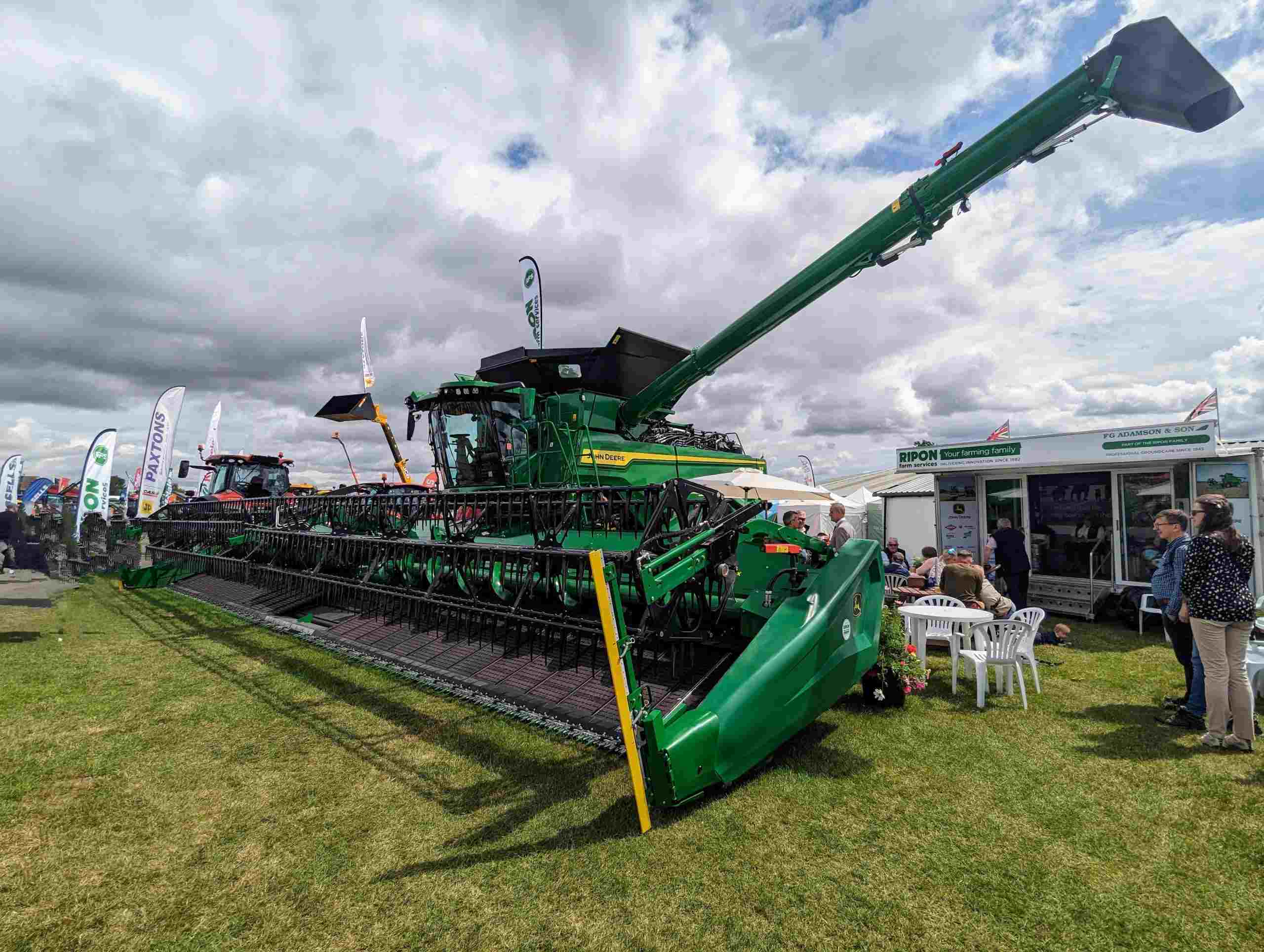
Agriculture remains one of the most capital-intensive industries in the world. Every growing season requires substantial investments before a single crop is harvested or livestock is sold. Farmers must purchase equipment, seed, fertilizer, fuel, feed, livestock, irrigation systems, and farm improvements months before revenue begins arriving. Because of these seasonal cash-flow cycles, financing has become an essential tool for maintaining profitable agricultural operations.
Whether operating a dairy farm, cattle ranch, grain farm, or diversified agricultural business, financing helps producers expand while protecting working capital. Modern lending programs allow farms to improve efficiency, purchase advanced equipment, install reliable water systems, and prepare for future growth.
This guide explains several important agricultural financing solutions that help producers remain competitive while building long-term financial stability.
Successful farms require continuous investment.
Annual expenses often include:
Because these expenses occur before income is generated, financing allows producers to maintain normal operations while preparing for future harvests.
Modern agriculture faces increasing economic pressures.
Some of the largest challenges include:
Careful financial planning helps agricultural businesses remain stable despite changing economic conditions.
Livestock operations require significant capital investments throughout the year.
cattle loans provide producers with financing to purchase breeding stock, feeder cattle, replacement animals, feed, and infrastructure while preserving operating cash for daily farm expenses.
These loans commonly finance:
Reliable financing allows producers to expand their herds while maintaining healthy cash flow.
Investing in livestock offers numerous long-term advantages.
Additional cattle increase production capacity.
Purchasing higher-quality breeding animals strengthens future herd performance.
Larger, healthier herds often generate higher annual income.
Financing spreads major livestock purchases over manageable repayment periods.
Many successful ranchers rely on cattle loans as part of their long-term growth strategy.
Dairy farms require continuous investment in facilities, livestock, equipment, and technology.
As milk production increases, farms often need larger barns, automated systems, improved feeding equipment, and additional storage capacity.
Operating a profitable dairy requires significant capital beyond purchasing livestock.
dairy farm financing provides producers with funding for facility improvements, robotic milking systems, milk storage equipment, feeding systems, and dairy herd expansion.
Common uses include:
Financing allows dairy farms to modernize while maintaining sufficient operating capital.
Modern dairy improvements create lasting value.
Improved facilities often support healthier, more productive herds.
Automation reduces labor requirements.
Modern housing contributes to healthier livestock.
Updated facilities frequently reduce maintenance costs while increasing production.
Many expanding operations utilize dairy farm financing to remain competitive within today’s dairy industry.
Water remains one of the most valuable resources on any farm.
Reliable wells support:
Without dependable water access, agricultural productivity can decline quickly.
Installing or upgrading farm wells represents a significant investment.
agricultural well financing helps producers fund drilling, pumps, pressure systems, water storage, filtration equipment, and related infrastructure needed to maintain dependable water supplies.
Projects commonly financed include:
Reliable wells provide long-term benefits that improve both crop production and livestock operations.
Water infrastructure strengthens every agricultural business.
Dependable water improves production throughout the year.
Independent water supplies reduce dependence on outside sources.
Consistent irrigation supports healthier crops.
Reliable water systems improve animal performance and overall herd health.
Many farms invest in agricultural well financing to improve long-term operational reliability.
Long-term agricultural success depends upon making smart investments that improve productivity while maintaining healthy financial management.
Successful producers continually evaluate:
Carefully planned investments help farms remain profitable for future generations.
As agricultural operations continue expanding, producers increasingly invest in precision planting equipment and dependable water infrastructure to improve efficiency and maximize long-term profitability. Modern farms rely on advanced machinery, reliable irrigation systems, and careful financial planning to remain competitive in changing agricultural markets.
Combining equipment financing with infrastructure improvements allows farms to increase productivity while preserving valuable working capital for seasonal operating expenses.
Planting equipment is one of the most important investments a crop producer can make.
planter financing allows farmers to purchase modern planting equipment while spreading costs over manageable repayment periods.
Common equipment financed includes:
Modern planters improve planting accuracy while reducing seed waste and increasing production efficiency.
Today’s planting technology provides numerous advantages.
Precision equipment places seed at consistent depth and spacing.
Uniform planting improves crop establishment.
Advanced systems reduce seed waste and overlap.
Larger planters allow producers to cover more acres during ideal planting conditions.
Many successful crop producers invest in planter financing to improve planting performance while reducing long-term operating costs.
Water remains one of agriculture’s most valuable assets.
Reliable water systems support:
Investing in dependable water infrastructure helps farms remain productive despite changing weather conditions.
Large-scale water projects often require significant capital.
agricultural water infrastructure financing helps producers install, expand, or modernize systems that improve water availability and long-term operational efficiency.
Projects commonly financed include:
Modern infrastructure improves water management while supporting higher crop yields and healthier livestock.
Improving water systems offers long-term value.
Dependable infrastructure supports year-round agricultural operations.
Consistent irrigation improves crop quality and yields.
Reliable water supplies benefit cattle and dairy operations.
Modern infrastructure increases operational efficiency and property value.
Many expanding farms utilize agricultural water infrastructure financing to prepare for future growth while reducing operational risk.
Successful agricultural businesses rarely rely on one financing product alone.
Many producers combine cattle loans, dairy farm financing, agricultural well financing, planter financing, and agricultural water infrastructure financing to strengthen every aspect of their operation.
Using multiple financing options allows producers to modernize equipment, improve livestock operations, expand infrastructure, and maintain healthy cash flow throughout the year.
Although requirements vary between lenders, most evaluate similar financial information.
Consistent repayment history often improves financing opportunities.
Experienced operators generally present lower lending risk.
Applicants should prepare:
Collateral may include:
Maintaining organized financial records often improves both approval speed and financing terms.
Agriculture continues facing changing economic and environmental conditions.
Common risks include:
Successful producers reduce risk by:
Combining cattle loans, dairy farm financing, and agricultural well financing with long-term planning helps producers build stronger, more resilient farming businesses.
| Investment Category | Example Allocation |
|---|---|
| Livestock & Dairy Operations | 30% |
| Planting Equipment | 25% |
| Water Infrastructure | 20% |
| Buildings & Facilities | 15% |
| Operating Capital | 10% |
Example allocation for educational purposes only. Actual financing needs vary by operation.
Yes. Many agricultural lenders offer financing programs covering livestock, equipment, buildings, and infrastructure.
Many producers finance wells, irrigation systems, pipelines, reservoirs, pumps, and related water infrastructure.
Yes. Financing is commonly available for dairy barns, milking equipment, herd expansion, feeding systems, and facility improvements.
Many lenders finance GPS-guided planters, precision planting systems, variable-rate technology, and monitoring equipment.
Modern equipment and infrastructure often improve efficiency, reduce operating costs, and increase long-term profitability.
Modern agriculture depends on strategic investment in livestock, water infrastructure, and precision equipment. Financing allows producers to expand responsibly while maintaining the cash flow needed to manage seasonal expenses and respond to changing market conditions. Thoughtful financial planning helps farms improve efficiency, strengthen profitability, and build long-term sustainability.
Whether utilizing cattle loans, dairy farm financing, agricultural well financing, planter financing, or agricultural water infrastructure financing, today’s agricultural financing solutions provide the flexibility needed to modernize operations, increase productivity, reduce risk, and position farming businesses for success over the coming decades.