
 Skip to content


Produce farm financing, agricultural land financing, farm line of credit, combine harvester financing, and agricultural working capital provide farmers with the financial resources needed to purchase land, acquire essential harvesting equipment, maintain healthy cash flow, and support efficient crop production.
By using these financing solutions, agricultural producers can expand their operations, manage seasonal expenses, invest in modern harvesting technology, and position their farms for long-term growth and profitability.
Long-term financing for major investments like land, infrastructure, and expansion projects.
Flexible access to funds whenever your business needs working capital.
Designed to support farming cycles, covering input costs before harvest revenue arrives.
Purchase new or used agricultural machinery with structured repayment plans.
Funding for buying, breeding, and expanding livestock operations.
Industry-focused agricultural financing experts
Flexible repayment plans aligned with crop cycles
Competitive interest rate structures
Fast approval and simple application process
Funding for both small farms and large agribusiness operations
Personalized financial support and advisory
Improve farm productivity and efficiency
Expand agricultural operations and land ownership
Maintain stable cash flow during off-season periods
Invest in modern technology and equipment
Strengthen long-term business growth
Reduce financial pressure during seasonal cycles
Farmers and agricultural landowners
Agribusiness companies of all sizes
Livestock and dairy operators
Agricultural processors and suppliers
Rural business owners involved in food
Affiliate Disclosure: We are an affiliate marketing website and may receive compensation from lending partners. We are not a lender, do not make credit decisions, and do not guarantee approval. Loan terms and rates are determined by individual lenders.
They can be used for land purchase, equipment, livestock, farm expansion, and working capital.
Yes, repayment structures can be aligned with agricultural income cycles.
Approval time depends on documentation, but flexible fast-track options are available.
Yes, both small and large agribusinesses are eligible.
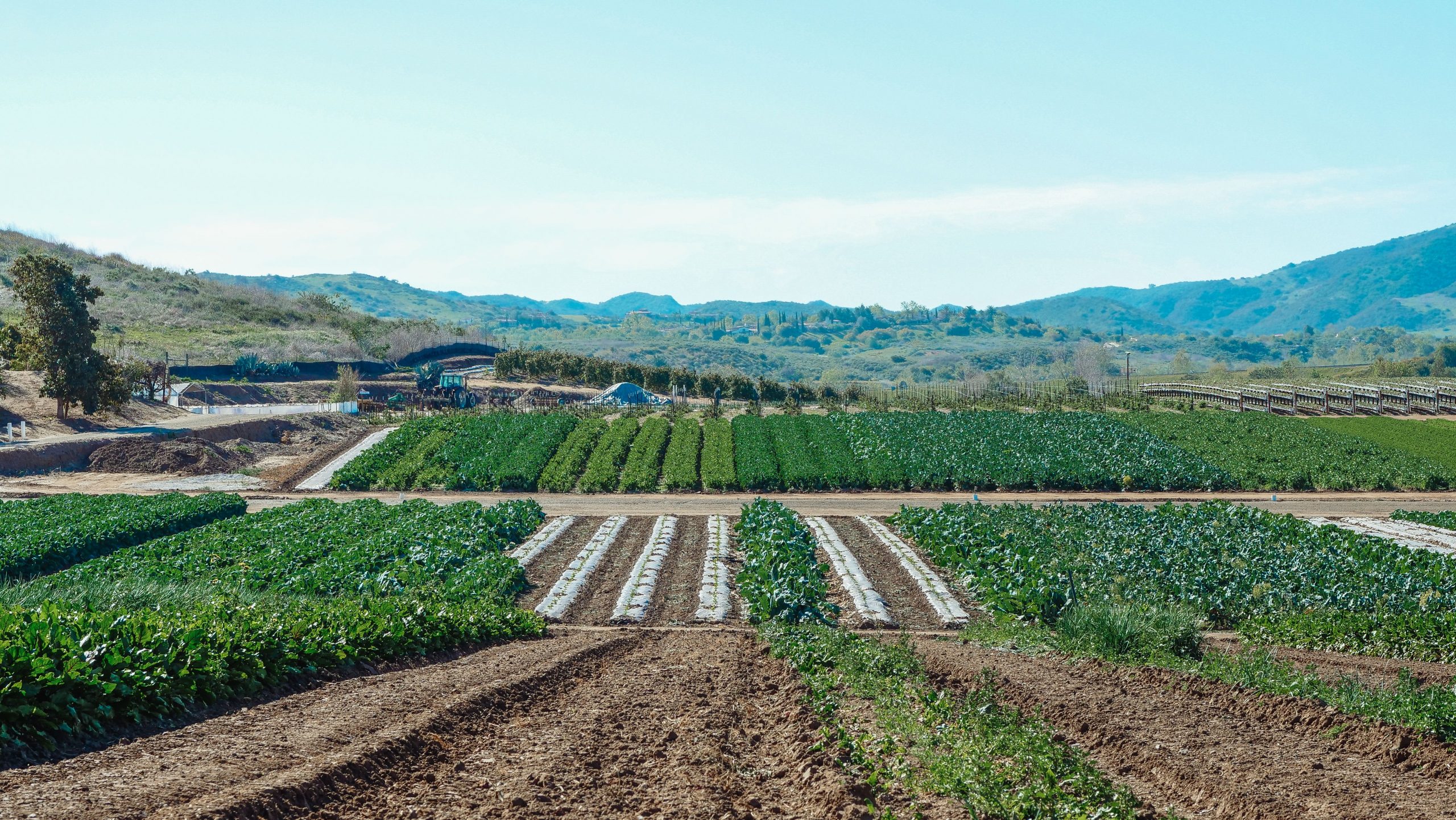
Modern farms often require several different types of capital at the same time. A produce grower may need land, irrigation, packing facilities, refrigerated storage, harvesting equipment, seasonal labor, crop inputs, and transportation before revenue from the season is fully realized.
That creates an important financing challenge: farmland, machinery, and seasonal expenses should not automatically be treated as identical financial needs. Land can remain productive for decades, major equipment may serve the business for many years, and operating expenses may turn over within a single growing or marketing cycle.
Farm owners can improve financial planning by separating long-term investments from short-term expenses, estimating complete project costs, maintaining adequate liquidity, and matching repayment schedules with the assets being financed.
The following nine sections examine funding strategies for produce operations, land acquisition, revolving credit, harvesting machinery, operating expenses, government programs, underwriting, and long-term agricultural growth.
Applicants researching Produce farm financing should begin by identifying the complete cost of seed or plants, fertilizer, crop protection, labor, irrigation, harvesting, packaging, storage, transportation, and other production needs.
Farmers evaluating agricultural land financing should consider not only the purchase price but also closing expenses, drainage, fencing, roads, utilities, irrigation, soil improvements, and other investments necessary to make the property productive.
Businesses considering a farm line of credit should estimate peak seasonal borrowing requirements instead of selecting a limit based entirely on prior-year expenses.
Operations seeking combine harvester financing should determine required capacity, crop types, acreage, headers, technology packages, maintenance expectations, and anticipated annual utilization.
Producers requiring agricultural working capital should prepare a cash-flow forecast showing when major expenses occur and when revenue is realistically expected.
For additional educational information about agricultural funding, visit AgribusinessLoans.com.
Businesses seeking Produce farm financing should create separate budgets for planting, crop maintenance, harvesting, packing, cooling, storage, transportation, and marketing so management can identify where capital is actually being used.
Applicants considering agricultural land financing for a produce operation should investigate water availability, soil conditions, access, drainage, zoning or land-use requirements, and proximity to markets where relevant.
A farm line of credit can potentially help an eligible operation manage timing differences between seasonal expenses and incoming revenue, but borrowing should still be based on a realistic repayment plan.
Farmers researching combine harvester financing should determine whether purchasing a machine is economically preferable to custom harvesting, leasing, or continuing to operate existing equipment.
Maintaining sufficient agricultural working capital can be particularly important for produce operations because labor, packaging, refrigeration, and transportation expenses may continue during harvest before customers have paid outstanding invoices.
A detailed budget also makes it easier to distinguish expenses that are essential to production from upgrades that can potentially be postponed.
Farmers considering Produce farm financing should evaluate whether the acreage being developed can support the intended crops, labor plan, irrigation requirements, and marketing strategy.
Applicants seeking agricultural land financing should conduct appropriate due diligence on boundaries, access, easements, soils, drainage, improvements, water resources, and other factors relevant to the agricultural use.
Businesses using a farm line of credit should avoid directing short-term operating funds toward a substantial land down payment if doing so would leave the operation without enough seasonal liquidity.
Operations evaluating combine harvester financing should consider how additional acreage may affect machinery requirements and whether existing equipment can support future expansion.
Producers maintaining agricultural working capital should account for the fact that acquiring more land can increase seed, fertilizer, fuel, labor, insurance, equipment, and maintenance expenses before additional production generates revenue.
Operations using Produce farm financing should carefully match borrowing needs with planting schedules, expected harvest dates, customer payment patterns, and seasonal labor requirements.
A producer carrying agricultural land financing should include the property payment in monthly cash-flow projections rather than evaluating affordability solely from annual farm income.
A farm line of credit can provide flexibility for recurring operating expenses, but it should not automatically become a permanent substitute for insufficient profitability or inadequate reserves.
Applicants seeking combine harvester financing should model the equipment payment alongside seasonal borrowing so the operation understands its total fixed and variable obligations.
Businesses relying on agricultural working capital should update forecasts when crop prices, yields, labor costs, input prices, or weather conditions materially change.
Farmers researching Produce farm financing should compare rates, fees, repayment periods, collateral requirements, required contributions, guarantees where applicable, and prepayment provisions.
Applicants considering agricultural land financing should evaluate the total cost of ownership, including taxes, insurance, improvements, maintenance, and debt service.
Businesses using a farm line of credit should understand how interest is calculated, whether fees apply to the facility, how draws are repaid, and what conditions govern renewal or availability.
Operations pursuing combine harvester financing should compare purchase price, interest expense, insurance, maintenance, fuel, repairs, headers, technology, and expected resale value.
Farmers managing agricultural working capital should avoid choosing financing based solely on the lowest scheduled payment without considering total cost and repayment timing.
Consider a hypothetical $650,000 agricultural capital project amortized over 15 years:
| Illustrative Rate | Approx. Monthly Payment | Approx. Total Repaid |
|---|---|---|
| 5% | $5,140 | $925,229 |
| 6% | $5,485 | $987,312 |
| 7% | $5,842 | $1,051,629 |
| 8% | $6,212 | $1,118,113 |
| 9% | $6,593 | $1,186,692 |
Approximate Monthly Payment

$6,600 |                              █
$6,400 |                              █
$6,200 |                       █      █
$6,000 |                       █      █
$5,800 |                █      █      █
$5,600 |         █      █      █      █
$5,400 |         █      █      █      █
$5,200 |  █      █      █      █      █
       +-----------------------------------
          5%     6%     7%     8%     9%
These calculations are hypothetical educational examples only. They are not current lender rates, agricultural market averages, guaranteed financing terms, or indications of approval.
Businesses seeking Produce farm financing should determine whether additional machinery will reduce outside service costs, improve harvest timing, expand capacity, or solve another identifiable production problem.
Farmers carrying agricultural land financing should consider equipment requirements before expanding acreage because purchasing additional property can create substantial machinery needs.
A farm line of credit may be better suited to qualifying seasonal expenses than to financing a major long-lived machine, depending on the provider and structure.
Applicants evaluating combine harvester financing should estimate annual acres, machine hours, repair history, anticipated downtime, dealer support, parts availability, and trade-in plans.
Operations protecting agricultural working capital should avoid exhausting available cash to purchase machinery if that would leave insufficient funds for planting, harvesting, payroll, or unexpected repairs.
Farm equipment should be evaluated according to actual utilization. A larger or more technologically advanced machine may offer greater capacity, but that additional capability only creates value when the operation can use it efficiently.
Farmers applying for Produce farm financing should organize requested financial statements, tax information where applicable, crop plans, production records, equipment schedules, debt information, and cash-flow forecasts.
Applicants seeking agricultural land financing should prepare purchase documents, property information, current improvements, intended use, and details about proposed development where relevant.
Businesses requesting a farm line of credit should be prepared to explain seasonal borrowing patterns, anticipated draws, revenue timing, repayment sources, and existing obligations.
Operations seeking combine harvester financing should obtain equipment quotes showing machine specifications, headers or attachments, purchase price, trade-in value where applicable, and related costs.
Producers requesting agricultural working capital should support the request with realistic production budgets rather than generalized estimates.
Actual qualification depends on applicable program rules and underwriting.
Businesses carrying Produce farm financing should maintain reserves for crop losses, equipment failures, labor increases, transportation expenses, packaging costs, refrigeration, and other unexpected needs.
Farmers with agricultural land financing should budget for property taxes, insurance, road maintenance, fencing, drainage, soil improvements, water infrastructure, and ongoing property expenses.
Operations using a farm line of credit should monitor outstanding balances throughout the season rather than waiting until year-end to determine whether borrowing is higher than expected.
Applicants carrying combine harvester financing should reserve cash for diesel fuel, routine service, tires or tracks where applicable, belts, bearings, electronics, headers, and unexpected repairs.
Maintaining adequate agricultural working capital can help a farm respond to weather problems, weaker prices, delayed customer payments, equipment breakdowns, or unexpected increases in input costs.
Liquidity should therefore be evaluated as part of every major capital decision. Owning valuable land and machinery does not eliminate the need for available cash.
After obtaining Produce farm financing, management should compare actual production costs, yields, sales, labor, storage expenses, and margins with original projections.
Businesses carrying agricultural land financing should maintain long-term plans for soil health, roads, drainage, irrigation, fencing, buildings, and other property improvements.
Operations utilizing a farm line of credit should review seasonal usage each year to determine whether the facility continues to match the business’s operating cycle.
Farmers repaying combine harvester financing should track hours, acreage, downtime, maintenance, repair costs, fuel use, and anticipated replacement timing.
Businesses managing agricultural working capital should periodically update cash-flow forecasts so capital requirements reflect current acreage, production costs, equipment, labor, and market conditions.
A multi-year plan can coordinate land acquisition, machinery replacement, storage, irrigation, vehicles, buildings, and seasonal operating expenses instead of treating each investment as an unrelated decision.
Additional educational information about agricultural funding is available through AgribusinessLoans.com.
Agricultural businesses need capital for both long-term assets and short-term operations. Understanding the difference between those needs can make financing decisions more manageable.
Produce operations can have particularly intensive seasonal cash requirements. Seed or transplants, fertilizer, crop protection, irrigation, labor, harvesting, packaging, cooling, transportation, and marketing expenses may occur well before all sales proceeds are collected.
Farmers should therefore build cash-flow projections around the actual timing of expenses and revenue. Annual profitability alone does not always show whether a business has enough liquidity during the most expensive months of the production cycle.
Land acquisition requires a different financial perspective. Productive agricultural property can be a long-term asset, but the purchase price is only one part of the investment.
Roads, irrigation, drainage, fencing, buildings, utilities, wells, soil improvements, and other infrastructure can significantly increase the amount of capital required to make newly purchased acreage productive.
Due diligence is also essential. Agricultural buyers should investigate the characteristics that matter to their intended use rather than assuming every parcel of rural land has equal productive value.
Seasonal credit can provide flexibility, but revolving borrowing should be actively managed. Owners should understand outstanding balances, interest expenses, draw activity, repayment expectations, and renewal requirements.
Repeatedly carrying increasing operating balances from one production cycle into the next can be a sign that expenses, margins, or repayment assumptions deserve closer review.
Harvest equipment represents another major financial decision. Combine ownership can potentially provide greater control over timing and capacity, but the economics depend on acreage, crops, annual utilization, repair expenses, dealer support, and the availability and cost of alternatives.
Newer machines can also contain sophisticated electronics and precision technology. Those systems may improve capability, but they can create additional software, sensor, calibration, diagnostic, and repair expenses.
Used machinery may reduce the initial purchase price, although condition can materially affect total ownership cost. Buyers may want to evaluate service records, hours, major components, wear items, tires or tracks, electronics, and expected repairs before making a purchase decision.
Working capital remains important even for operations with substantial land and machinery assets. A farm can have a strong balance sheet while still experiencing difficulty paying seasonal expenses if cash is unavailable at the right time.
Maintaining reserves can help farmers respond to weather events, weaker yields, lower commodity prices, delayed receivables, equipment breakdowns, labor shortages, or sudden increases in input costs.
Government agricultural programs can provide options for qualifying applicants. FSA administers programs addressing eligible ownership and operating needs, and USDA provides additional rural-business, conservation, and agricultural resources.
Eligibility should always be confirmed directly with the relevant agency or provider. Program rules, permitted uses, collateral requirements, application procedures, and available funding can vary.
Accurate records can strengthen both financial management and future applications. Production budgets, financial statements, debt schedules, equipment lists, land records, harvest data, and cash-flow projections can help management understand what the operation can realistically support.
A long-term capital plan can then prioritize major investments. Land purchases, machinery replacement, storage, irrigation, buildings, vehicles, and technology can be scheduled according to urgency and expected benefit.
Financing terms should also be matched to asset life whenever practical. Permanent land improvements have very different economic characteristics from machinery or seasonal expenses.
No financing arrangement is automatically approved. Available amounts, rates, fees, collateral requirements, repayment schedules, required contributions, guarantees, and eligibility depend on the provider, program, applicant, and transaction.
A disciplined farm infrastructure financing strategy combines conservative budgeting, detailed cash-flow planning, appropriate financing structures, adequate reserves, and regular performance review. That approach can help agricultural businesses expand productive capacity without losing sight of the liquidity needed to operate successfully.