
 Skip to content

Cattle loans, dairy farm financing, agricultural well financing, planter financing, and agricultural water infrastructure financing help farmers secure the capital needed to purchase livestock, expand dairy operations, improve reliable water access, invest in precision planting equipment, and build efficient irrigation systems.
By utilizing these financing solutions, agricultural producers can increase productivity, strengthen cash flow, improve operational efficiency, and position their farms for sustainable long-term growth and profitability.
Agribusiness loans are designed to support farmers, producers, and agricultural businesses with the capital needed to operate, expand, and improve productivity. Whether you are managing seasonal cash flow, purchasing land, upgrading machinery, or investing in livestock, our financing solutions are structured to match the unique cycles of agriculture.
We understand that farming is not a fixed-income business. That’s why our lending approach focuses on flexibility, seasonal repayment options, and long-term financial stability for agribusiness operators.
Long-term financing for major investments like land, infrastructure, and expansion projects.
Flexible access to funds whenever your business needs working capital.
Designed to support farming cycles, covering input costs before harvest revenue arrives.
Purchase new or used agricultural machinery with structured repayment plans.
Funding for buying, breeding, and expanding livestock operations.
Industry-focused agricultural financing experts
Flexible repayment plans aligned with crop cycles
Competitive interest rate structures
Fast approval and simple application process
Funding for both small farms and large agribusiness operations
Personalized financial support and advisory
Improve farm productivity and efficiency
Expand agricultural operations and land ownership
Maintain stable cash flow during off-season periods
Invest in modern technology and equipment
Strengthen long-term business growth
Reduce financial pressure during seasonal cycles
Farmers and agricultural landowners
Agribusiness companies of all sizes
Livestock and dairy operators
Agricultural processors and suppliers
Rural business owners involved in food
Affiliate Disclosure: We are an affiliate marketing website and may receive compensation from lending partners. We are not a lender, do not make credit decisions, and do not guarantee approval. Loan terms and rates are determined by individual lenders.
They can be used for land purchase, equipment, livestock, farm expansion, and working capital.
Yes, repayment structures can be aligned with agricultural income cycles.
Approval time depends on documentation, but flexible fast-track options are available.
Yes, both small and large agribusinesses are eligible.
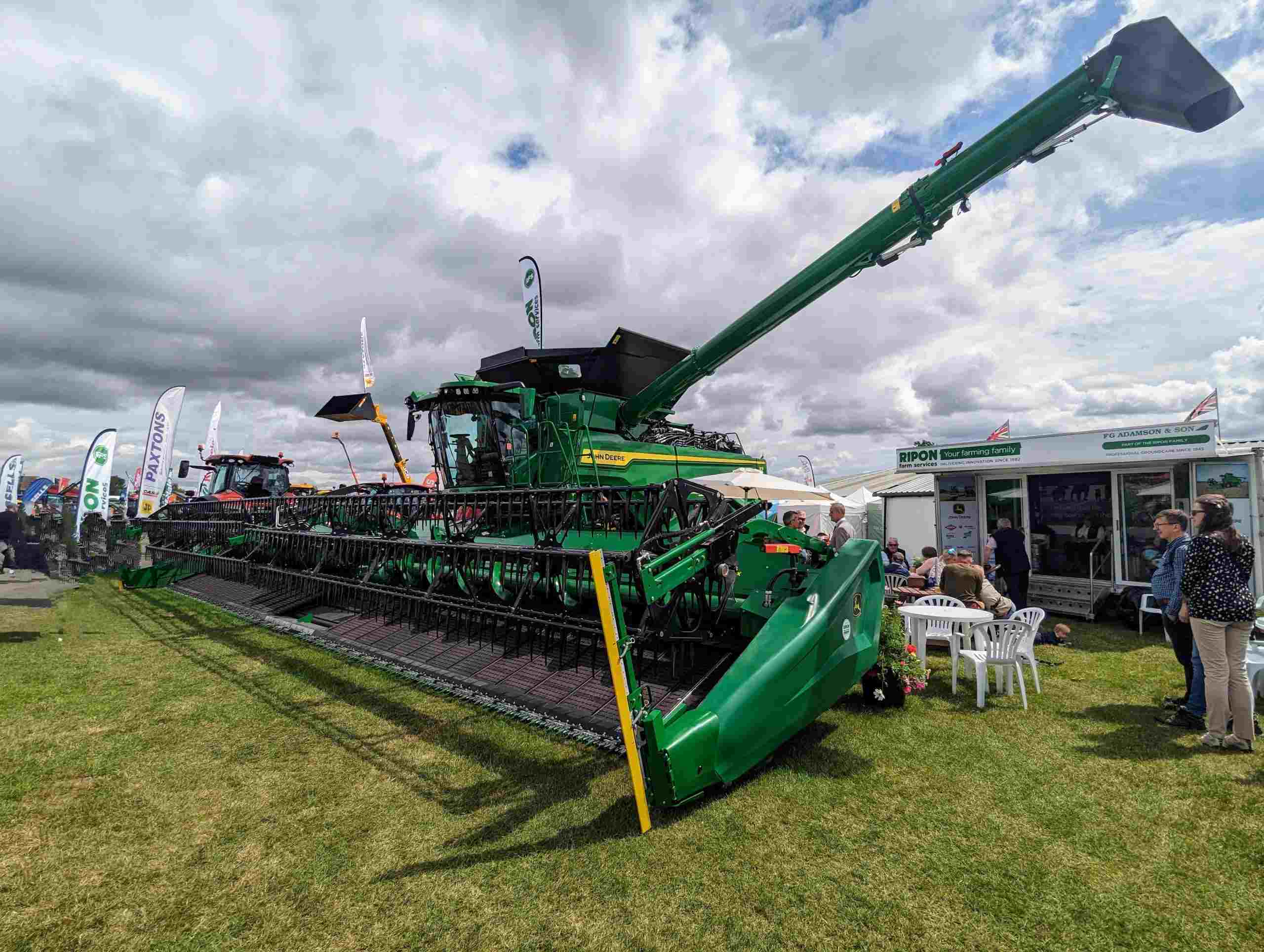
Modern farms often require substantial investment across several parts of the operation at the same time. A producer may need to expand a livestock herd, modernize dairy facilities, develop a new well, replace planting equipment, or improve water distribution while still paying everyday operating expenses.
The useful life of these investments varies considerably. Permanent water improvements may serve a property for decades, machinery typically has a shorter replacement cycle, and livestock investments follow biological and production cycles. Farmers should therefore avoid assuming that one financing structure is appropriate for every agricultural expense.
A comprehensive capital plan should identify purchase and construction costs, operating expenses, anticipated productivity improvements, cash-flow requirements, existing obligations, and contingency reserves. Conservative assumptions are especially important because weather, commodity prices, feed costs, animal health, crop yields, and machinery repairs can change unexpectedly.
The following nine sections examine livestock acquisition, dairy operations, wells, planting machinery, water infrastructure, government programs, underwriting, and long-term farm capital planning.
Producers considering Cattle loans should calculate more than the acquisition price of livestock by including transportation, feed, pasture, veterinary care, fencing, handling equipment, insurance, and labor.
Businesses researching dairy farm financing should prepare comprehensive budgets covering livestock, barns, milking equipment, milk storage, ventilation, manure management, utilities, feed systems, water, and working capital.
Operations seeking agricultural well financing should obtain detailed estimates for drilling, casing, pumps, electrical service, controls, testing, pipelines, storage, and other necessary components.
Farmers evaluating planter financing should compare machine capacity, row configuration, attachments, precision technology, tractor compatibility, annual acreage, and expected maintenance expenses.
Applicants exploring agricultural water infrastructure financing should determine how wells, storage, pumps, pipelines, irrigation, livestock watering, drainage, and related improvements fit into the overall farm plan.
Additional educational information about agricultural funding is available through AgribusinessLoans.com.
Farmers seeking Cattle loans should evaluate herd expansion according to available pasture, feed resources, facilities, labor, water capacity, veterinary requirements, and expected production.
Applicants using dairy farm financing should recognize that purchasing additional cows may create secondary requirements for stalls, milking capacity, refrigeration, feed storage, manure handling, and employees.
Operations considering agricultural well financing should estimate whether livestock expansion will materially increase daily or seasonal water requirements.
Businesses seeking planter financing within diversified livestock-and-crop operations should determine whether crop acreage provides sufficient utilization to justify ownership of newer equipment.
Farmers evaluating agricultural water infrastructure financing should consider both current herd requirements and reasonable future expansion when sizing water systems.
Livestock expansion can increase expenses well before additional revenue appears. Conservative projections should therefore account for feed-price changes, animal-health issues, reproductive performance, labor, transportation, and potentially weaker livestock markets.
Operations carrying Cattle loans alongside facility debt should understand their combined repayment obligations before expanding animal numbers.
Businesses considering dairy farm financing should identify every major project component rather than budgeting only for the most visible equipment or building improvements.
Farmers researching agricultural well financing should determine whether the proposed water source can reliably support livestock consumption, cleaning, cooling, and other operational requirements.
Applicants evaluating planter financing should coordinate machinery purchases with feed-production acreage and existing equipment capacity.
Operations seeking agricultural water infrastructure financing should evaluate storage, pumps, distribution, controls, livestock watering points, backup capabilities, and future maintenance requirements.
Dairy modernization can involve substantial interconnected investments. Milking systems, cooling equipment, barns, ventilation, manure management, feed storage, electrical infrastructure, backup power, water systems, technology, and labor requirements should be considered together rather than as isolated purchases.
Producers using Cattle loans to increase herd size should determine whether existing wells and distribution systems can provide adequate water during periods of peak demand.
Farmers seeking dairy farm financing should include water availability and system reliability in facility planning because livestock operations can depend heavily on consistent access to water.
Applicants considering agricultural well financing should obtain site-specific professional estimates rather than assuming drilling depth, water availability, or installation costs will match another property.
Businesses researching planter financing should preserve adequate capital for essential infrastructure rather than committing excessive resources to machinery while critical water projects remain unfinished.
Operations evaluating agricultural water infrastructure financing should prepare complete budgets for wells, reservoirs or tanks, pumps, pipelines, electrical service, controls, filtration where needed, and installation.
Water projects are highly site-specific. Geology, drilling depth, energy availability, pumping distance, elevation, storage requirements, water quality, local requirements, and intended agricultural use can influence feasibility and total cost.
Applicants evaluating Cattle loans should compare rates, fees, collateral requirements, repayment schedules, required contributions, and total borrowing expense.
Businesses seeking dairy farm financing should stress-test projected payments against changes in milk prices, feed costs, labor expenses, utilities, and production.
Farmers researching agricultural well financing should calculate financing needs using the complete installed project rather than the drilling estimate alone.
Operations considering planter financing should compare purchase price, financing expense, annual acreage, maintenance, technology subscriptions where applicable, repairs, and expected resale value.
Applicants exploring agricultural water infrastructure financing should consider the expected useful life of each system component when evaluating potential repayment periods.
Consider a hypothetical $700,000 agricultural modernization project amortized over 15 years:
| Illustrative Rate | Approx. Monthly Payment | Approx. Total Repaid |
|---|---|---|
| 5% | $5,536 | $996,480 |
| 6% | $5,907 | $1,063,260 |
| 7% | $6,292 | $1,132,560 |
| 8% | $6,690 | $1,204,200 |
| 9% | $7,100 | $1,278,000 |
$7,200 |                              █
$7,000 |                              █
$6,800 |                       █      █
$6,600 |                       █      █
$6,400 |                █      █      █
$6,200 |                █      █      █
$6,000 |         █      █      █      █
$5,800 |         █      █      █      █
$5,600 |  █      █      █      █      █
       +-----------------------------------
          5%     6%     7%     8%     9%
This table and graph are hypothetical educational illustrations. They are not current lender rates, agricultural market averages, guaranteed financing terms, or indications that an applicant will qualify.
Businesses using Cattle loans while producing feed crops should coordinate livestock obligations with machinery replacement schedules.
Farmers carrying dairy farm financing should determine whether producing additional feed internally creates a legitimate need for greater planting capacity.
Operations seeking agricultural well financing should avoid overlooking machinery payments when calculating the total debt obligations associated with an expansion.
Applicants researching planter financing should evaluate row spacing, capacity, seed delivery, metering technology, guidance compatibility, section control, maintenance requirements, and dealer support.
Farmers using agricultural water infrastructure financing should coordinate planting and water-system investments so the operation retains sufficient liquidity for seed, fertilizer, fuel, labor, repairs, and other seasonal expenses.
New planting technology can potentially improve operational precision or capacity, but producers should evaluate whether those improvements create enough practical value to justify the additional investment.
Eligible producers seeking Cattle loans can investigate Farm Service Agency operating programs to determine whether proposed livestock purchases satisfy current program requirements.
Businesses researching dairy farm financing can review applicable ownership and operating programs depending on whether the proposed investment involves real estate, facilities, equipment, livestock, or eligible operating expenses.
Farmers considering agricultural well financing can investigate FSA and conservation programs while confirming that both the applicant and proposed project satisfy applicable requirements.
Operations evaluating planter financing can review operating programs when qualifying equipment purchases fall within permitted uses.
Applicants seeking agricultural water infrastructure financing can also investigate USDA conservation assistance when proposed improvements address eligible resource concerns.
Applicants seeking Cattle loans should organize requested financial records, herd information, livestock purchase details, feed resources, facility information, debt schedules, and cash-flow projections.
Businesses applying for dairy farm financing should prepare facility plans, equipment quotes, production information, livestock details, operating budgets, and projections supporting the proposed investment.
Farmers pursuing agricultural well financing should obtain contractor estimates showing drilling, casing, pumps, electrical components, controls, testing, storage, and distribution expenses.
Operations requesting planter financing should provide equipment specifications, purchase price, attachments, technology packages, trade-in information where applicable, and the intended agricultural use.
Applicants considering agricultural water infrastructure financing should prepare detailed project plans showing how the individual components work together and the complete estimated installation cost.
Documentation does not guarantee approval, but accurate information can help financing providers understand the proposed transaction, the amount requested, the use of proceeds, and potential repayment sources.
Operations repaying Cattle loans should monitor herd performance, feed expenses, animal health, reproductive results, labor requirements, and revenue against original projections.
Businesses carrying dairy farm financing should measure production, feed costs, utilities, labor, maintenance, facility expenses, and equipment performance.
Farmers using agricultural well financing should monitor water availability, pump performance, energy consumption, repairs, maintenance, and whether capacity continues to meet operational requirements.
Applicants repaying planter financing should track annual acreage, planting hours, downtime, maintenance, repairs, technology costs, and expected replacement timing.
Operations utilizing agricultural water infrastructure financing should monitor pumps, pipelines, storage, controls, energy consumption, leaks, repairs, and long-term replacement requirements.
A multi-year capital strategy can coordinate livestock, dairy facilities, wells, planting equipment, water systems, tractors, harvesting machinery, storage, buildings, vehicles, and working capital. Prioritizing investments can help management avoid taking on several major financial obligations at the same time.
Additional agricultural resources are available through Farmers.gov and through AgribusinessLoans.com.
Agricultural capital planning becomes more complicated when livestock, facilities, water infrastructure, and crop equipment must be financed simultaneously. Each investment has a different useful life, risk profile, and relationship to farm revenue.
Livestock purchases should be evaluated as complete business investments. The acquisition price is only the beginning. Feed, pasture, veterinary care, fencing, water, transportation, insurance, handling equipment, facilities, and labor can substantially increase the amount of capital required.
Expansion can also create timing challenges. Additional animals may begin generating expenses immediately while the resulting production or offspring may not create revenue until later.
Dairy operations can have even more interconnected capital requirements. Milking systems, cooling equipment, ventilation, barns, feed storage, manure handling, utilities, backup power, water systems, livestock, technology, and labor may all be affected by an expansion.
A bottleneck in one part of the operation can reduce the usefulness of investment elsewhere. Increasing herd size, for example, provides limited benefit if milking capacity, water supply, feed storage, or manure-handling infrastructure cannot support the additional animals.
Water should therefore be considered a fundamental component of agricultural planning. Wells, pumps, tanks, reservoirs, pipelines, controls, electrical systems, filtration, and livestock watering equipment can represent significant investments.
Farmers should obtain site-specific estimates. Drilling conditions and water availability can differ substantially even between nearby properties, and local requirements can affect project feasibility and cost.
A complete water plan should also consider future requirements. Installing a system sized only for today’s operation may create another expensive project if herd size or crop acreage increases soon afterward.
Planting machinery requires a different analysis because utilization is central to its economics. Farmers should consider acreage, planting windows, tractor compatibility, row configuration, crop mix, technology, dealer support, maintenance, and expected resale value.
Precision features can add significant cost. Guidance integration, row control, advanced metering, monitoring, mapping, and other technology should be evaluated according to how the operation expects to use them rather than simply because they are available.
Timing matters as well. Planting delays can have operational consequences, making equipment reliability and access to parts and service important considerations alongside purchase price.
Liquidity should remain a priority throughout these investments. A farm can own valuable animals, buildings, machinery, and water systems while still experiencing financial pressure if it lacks cash for everyday operations.
Feed, seed, fertilizer, fuel, payroll, veterinary care, insurance, utilities, crop protection, repairs, and transportation continue regardless of capital projects.
Contingency reserves can help absorb unexpected expenses such as equipment failures, animal-health problems, water-system repairs, construction overruns, higher feed prices, or unfavorable commodity markets.
USDA programs may provide options for qualifying agricultural producers. FSA administers programs addressing eligible ownership and operating needs, while NRCS administers conservation programs that may provide assistance for qualifying practices.
Program eligibility should never be assumed. Applicants should verify current requirements, eligible uses, application procedures, available amounts, collateral provisions, and other conditions directly with the appropriate agency.
Financing providers also perform different roles. Agricultural banks, credit institutions, government agencies, equipment finance companies, brokers, marketplaces, and affiliate websites should not automatically be treated as equivalent.
Farmers should determine who actually makes the credit decision and establishes rates, fees, collateral requirements, repayment schedules, and other terms.
Total financing cost matters in addition to monthly payment. Longer repayment periods can reduce scheduled payments while potentially increasing total interest expense. Shorter terms can reduce long-term interest but place more pressure on current cash flow.
The appropriate balance depends on the investment, expected useful life, revenue cycle, and financial condition of the operation.
Accurate records improve these decisions. Livestock performance, milk production, feed costs, water usage, energy consumption, machinery utilization, repairs, labor, and outstanding debt can provide valuable information for future planning.
Those records can support a multi-year capital strategy that schedules facility improvements, livestock expansion, equipment replacement, water projects, and other investments according to priority and repayment capacity.
No agricultural financing product is automatically approved. Available amounts, rates, fees, collateral requirements, repayment schedules, required contributions, guarantees, and eligibility depend on the provider, program, applicant, and transaction.
A disciplined approach combines comprehensive budgeting, conservative projections, appropriate financing structures, adequate liquidity, careful equipment selection, and ongoing performance measurement. These practices can help agricultural businesses invest in livestock, dairy facilities, water resources, and machinery without losing sight of the financial stability required for long-term operation.