
 Skip to content


Crop financing, used farm equipment financing, how to finance a farm expansion, agricultural operating capital, and soybean financing provide farmers with the financial resources needed to purchase equipment, expand operations, manage seasonal expenses, and invest in successful crop production.
By using these financing solutions, agricultural producers can improve cash flow, increase efficiency, strengthen long-term profitability, and position their farms for sustainable growth in a competitive agricultural market.
Agribusiness loans are designed to support farmers, producers, and agricultural businesses with the capital needed to operate, expand, and improve productivity. Whether you are managing seasonal cash flow, purchasing land, upgrading machinery, or investing in livestock, our financing solutions are structured to match the unique cycles of agriculture.
We understand that farming is not a fixed-income business. That’s why our lending approach focuses on flexibility, seasonal repayment options, and long-term financial stability for agribusiness operators.
Long-term financing for major investments like land, infrastructure, and expansion projects.
Flexible access to funds whenever your business needs working capital.
Designed to support farming cycles, covering input costs before harvest revenue arrives.
Purchase new or used agricultural machinery with structured repayment plans.
Funding for buying, breeding, and expanding livestock operations.
Industry-focused agricultural financing experts
Flexible repayment plans aligned with crop cycles
Competitive interest rate structures
Fast approval and simple application process
Funding for both small farms and large agribusiness operations
Personalized financial support and advisory
Improve farm productivity and efficiency
Expand agricultural operations and land ownership
Maintain stable cash flow during off-season periods
Invest in modern technology and equipment
Strengthen long-term business growth
Reduce financial pressure during seasonal cycles
Farmers and agricultural landowners
Agribusiness companies of all sizes
Livestock and dairy operators
Agricultural processors and suppliers
Rural business owners involved in food
Affiliate Disclosure: We are an affiliate marketing website and may receive compensation from lending partners. We are not a lender, do not make credit decisions, and do not guarantee approval. Loan terms and rates are determined by individual lenders.
They can be used for land purchase, equipment, livestock, farm expansion, and working capital.
Yes, repayment structures can be aligned with agricultural income cycles.
Approval time depends on documentation, but flexible fast-track options are available.
Yes, both small and large agribusinesses are eligible.
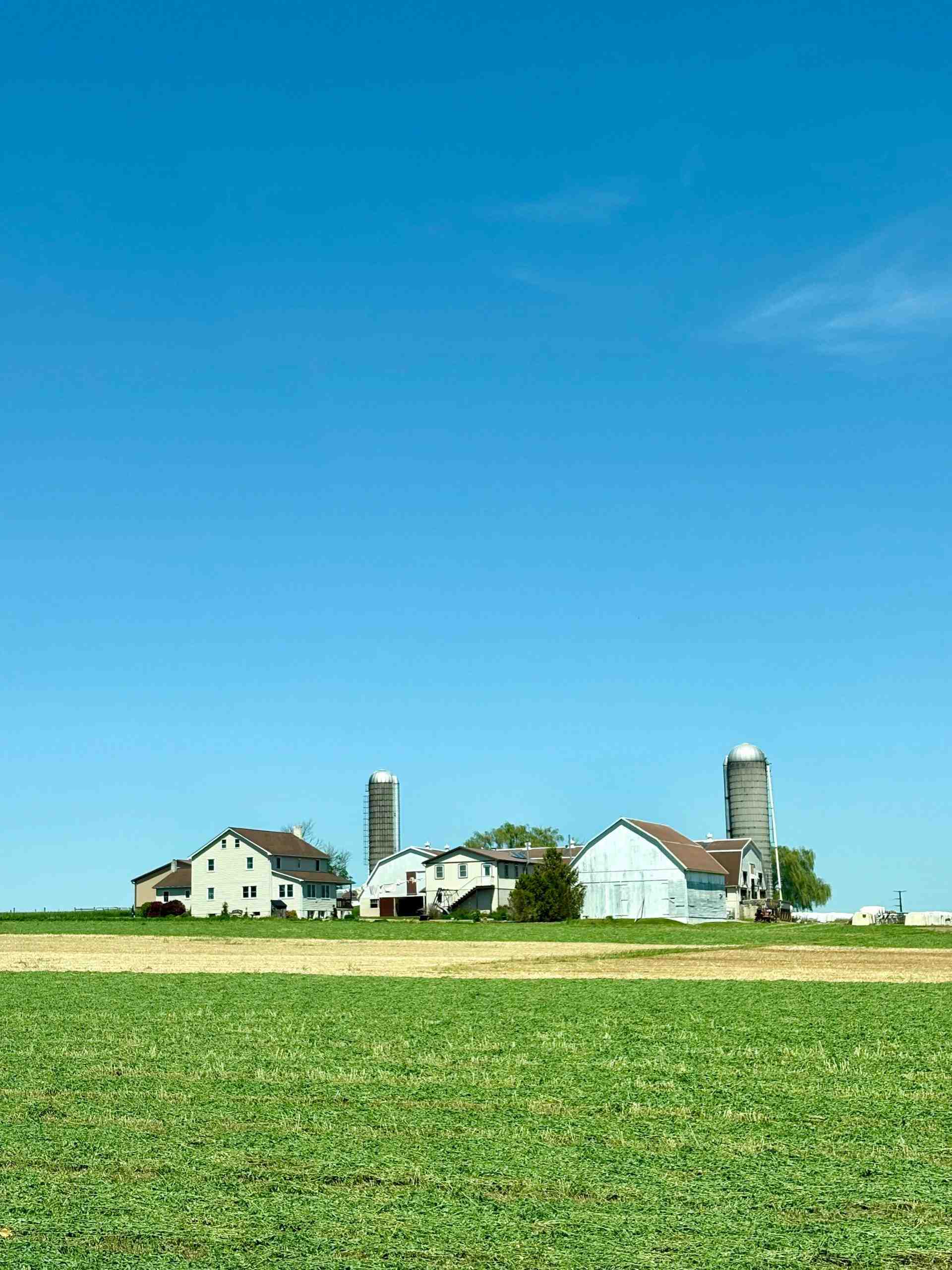
Agricultural businesses rarely have only one financial need. A growing operation may need planting inputs, additional acreage, replacement machinery, storage, irrigation, labor, fuel, and working capital during the same production cycle. The challenge is determining which expenses should be financed together and which require separate structures.
Long-lived assets such as land, buildings, and major machinery generally have different financial characteristics from seed, fertilizer, fuel, and other seasonal expenses. Farmers can improve financial planning by matching repayment periods to the expected useful life or revenue cycle of the investment.
Expansion adds another layer of complexity because increasing acreage can trigger secondary expenses. More land can require larger machinery, additional employees, greater storage capacity, increased transportation, and substantially higher seasonal input costs.
The following nine sections examine crop production, pre-owned machinery, farm expansion, operating liquidity, soybean production, underwriting, government programs, and long-term agricultural capital management.
Farmers considering Crop financing should begin with a detailed budget covering seed, fertilizer, crop protection, fuel, labor, irrigation, machinery operation, harvesting, storage, transportation, and insurance.
Operations evaluating used farm equipment financing should research the machine’s age, hours, service history, condition, attachments, technology, dealer support, and expected repair requirements.
Producers researching how to finance a farm expansion should identify every expense associated with growth rather than calculating the project around land or equipment alone.
Businesses requiring agricultural operating capital should develop monthly cash-flow projections showing when major expenses occur and when crop, livestock, or other agricultural revenue is expected.
Applicants exploring soybean financing should create crop-specific projections based on acreage, anticipated inputs, equipment requirements, harvest expenses, and conservative production assumptions.
Additional educational information about agricultural funding options is available through AgribusinessLoans.com.
Operations using Crop financing should understand that production expenses frequently occur months before the corresponding crop generates revenue.
Farmers seeking used farm equipment financing should determine whether machinery payments fit comfortably alongside seasonal production expenses and existing obligations.
Owners asking how to finance a farm expansion should separate long-term investments such as land and buildings from shorter-term expenses such as seed, fertilizer, payroll, and fuel.
Maintaining adequate agricultural operating capital can help an operation pay recurring expenses while waiting for harvested crops to be sold and customer payments to arrive.
Farmers considering soybean financing should account for the entire production cycle instead of focusing exclusively on planting costs.
Cash-flow timing matters because an operation can appear profitable on an annual basis while still experiencing substantial liquidity pressure during planting or harvest. Monthly forecasts can identify these periods before they become financial emergencies.
Businesses utilizing Crop financing should avoid committing excessive cash to machinery if doing so would leave insufficient resources for essential production inputs.
Applicants considering used farm equipment financing should conduct appropriate inspections and evaluate engine or powertrain condition, hydraulics, electronics, tires or tracks, wear components, maintenance history, and expected repairs.
Farmers researching how to finance a farm expansion should determine whether existing tractors, planters, sprayers, combines, and transportation equipment can support additional acreage.
Operations protecting agricultural operating capital should compare the benefits of paying cash for equipment with the effect that purchase would have on liquidity.
Producers seeking soybean financing should consider whether proposed machinery investments are appropriately sized for expected acreage and planting or harvesting windows.
Pre-owned equipment can reduce acquisition costs, but a low purchase price does not necessarily mean a low total cost of ownership. Unexpected repairs during planting or harvest can create both direct expenses and costly downtime.
Applicants using Crop financing while increasing acreage should update production budgets to reflect the additional seed, fertilizer, crop protection, labor, fuel, insurance, and harvesting expenses.
Businesses considering used farm equipment financing during expansion should evaluate whether a larger pre-owned machine provides sufficient capacity without creating excessive maintenance risk.
Producers investigating how to finance a farm expansion should create a complete capital plan covering property, equipment, buildings, irrigation, storage, transportation, technology, and working capital.
Maintaining sufficient agricultural operating capital becomes especially important during growth because expenses can increase immediately while additional revenue may not arrive until a future harvest.
Farmers seeking soybean financing for expanded acreage should stress-test projections against lower yields, weaker prices, higher input costs, or unexpected machinery repairs.
Growth should solve an identifiable business need or create realistic productive capacity. Expanding simply because financing is available can increase fixed obligations without guaranteeing additional profitability.
Businesses evaluating Crop financing should compare rates, fees, repayment schedules, collateral requirements, required contributions, and total financing costs.
Applicants seeking used farm equipment financing should calculate the combined cost of acquisition, interest, insurance, repairs, maintenance, transportation, and expected component replacement.
Farmers learning how to finance a farm expansion should compare multiple structures because permanent property, machinery, and seasonal operating expenses may justify different repayment periods.
Operations requiring agricultural operating capital should understand how interest is calculated and whether unused availability, origination, renewal, or other fees apply.
Applicants evaluating soybean financing should compare anticipated debt service with conservative estimates of crop revenue rather than relying on unusually favorable price or yield assumptions.
Consider a hypothetical $450,000 agricultural capital project amortized over 10 years:
| Illustrative Rate | Approx. Monthly Payment | Approx. Total Repaid |
|---|---|---|
| 5% | $4,773 | $572,760 |
| 6% | $4,996 | $599,520 |
| 7% | $5,225 | $627,000 |
| 8% | $5,460 | $655,200 |
| 9% | $5,700 | $684,000 |
Approximate Monthly Payment

$5,800 |                              █
$5,600 |                              █
$5,400 |                       █      █
$5,200 |                █      █      █
$5,000 |         █      █      █      █
$4,800 |  █      █      █      █      █
       +-----------------------------------
          5%     6%     7%     8%     9%
These calculations are hypothetical educational illustrations only. They are not current lender rates, agricultural market averages, guaranteed terms, or indications that financing will be approved.
Farmers using Crop financing should monitor actual production expenses against the original budget throughout the growing season.
Businesses carrying used farm equipment financing should maintain reserves for repairs because pre-owned tractors, combines, planters, sprayers, and other machinery can require unexpected service.
Producers researching how to finance a farm expansion should determine how much cash should remain available after down payments, construction expenses, or equipment purchases.
Access to sufficient agricultural operating capital can provide flexibility for recurring expenses, but additional borrowing should not substitute for addressing persistent operating losses.
Applicants considering soybean financing should budget for contingencies such as replanting, equipment breakdowns, higher input costs, transportation changes, or unexpected storage expenses.
Liquidity is especially important during expansion. A farm can own valuable land and machinery yet experience difficulty meeting payroll, purchasing inputs, or repairing equipment when cash is unavailable at the required time.
Eligible businesses seeking Crop financing can review Farm Service Agency operating programs to determine whether proposed production expenses meet current program requirements.
Farmers researching used farm equipment financing can investigate whether qualifying machinery purchases may be eligible under applicable FSA programs.
Applicants considering how to finance a farm expansion can explore both ownership and operating programs depending on whether the project involves land, improvements, equipment, or production expenses.
Operations seeking agricultural operating capital can review FSA resources describing qualifying operating uses and eligibility requirements.
Businesses exploring soybean financing can use federal agricultural resources to research programs potentially applicable to their production needs.
Applicants pursuing Crop financing should organize requested financial statements, tax information where applicable, production records, crop budgets, debt schedules, and cash-flow projections.
Businesses applying for used farm equipment financing should prepare vendor information, equipment descriptions, serial numbers where requested, purchase prices, trade-in information, and maintenance records when available.
Farm owners determining how to finance a farm expansion should prepare a detailed explanation of the project, expected costs, proposed use of funds, and anticipated financial impact.
Operations requesting agricultural operating capital should be prepared to demonstrate seasonal cash requirements, expected revenue periods, existing obligations, and realistic repayment sources.
Applicants seeking soybean financing should organize acreage information, production history where available, expected input requirements, harvesting plans, and crop budgets.
Strong documentation cannot guarantee approval, but it can help financing providers understand the business and determine whether the requested structure corresponds with the operation’s financial circumstances.
Businesses using Crop financing should compare actual yields, expenses, harvest costs, sales, and margins with projections after every production cycle.
Operations carrying used farm equipment financing should monitor hours, acres, downtime, maintenance, repairs, fuel consumption, and expected replacement timing.
Farmers continuing to evaluate how to finance a farm expansion should update their strategy as acreage, equipment requirements, labor needs, and market conditions change.
Businesses relying on agricultural operating capital should compare actual seasonal borrowing with forecasts and investigate recurring increases in outstanding balances.
Producers utilizing soybean financing should review actual seed costs, input expenses, yields, harvesting costs, storage, transportation, and revenue after the crop is marketed.
A multi-year capital strategy can coordinate farmland, tractors, planters, combines, storage, irrigation, buildings, vehicles, technology, and seasonal operating requirements. Prioritizing investments can help management avoid beginning too many expensive projects simultaneously.
Additional educational financing information is available through AgribusinessLoans.com.
Agricultural well financing decisions should begin with the economics of the farm rather than the amount of credit potentially available. Production costs, machinery, acreage, buildings, irrigation, storage, transportation, and labor all compete for the same financial resources.
Seasonal production creates a particularly important cash-flow challenge. Many expenses must be paid before crops are harvested and sold, meaning profitability and liquidity are not necessarily the same thing.
A detailed monthly forecast can help producers identify when cash requirements will be greatest. That forecast should include realistic assumptions about input purchases, payroll, fuel, equipment repairs, insurance, storage, transportation, and other expenses.
Used machinery can be an effective way to control acquisition costs. However, buyers should evaluate condition carefully because repair expenses and downtime can offset much of the initial savings.
Service history can be valuable when available. Engine hours, hydraulic condition, electronics, tires or tracks, bearings, belts, chains, wear surfaces, attachments, and previous repairs can all influence future ownership expenses.
Technology compatibility should also be considered. Older machines may require modifications to work with newer guidance, displays, controllers, mapping systems, or other precision-agriculture equipment.
Expansion requires an even broader analysis. Additional acreage may appear to be primarily a property investment, but it can trigger many secondary expenses.
A larger operation may require additional tractors, planting equipment, harvesting capacity, employees, vehicles, storage, irrigation, crop inputs, insurance, and working capital.
Management should identify these requirements before committing to growth. Otherwise, the initial expansion may be completed only for the farm to discover that it lacks enough capital to operate the additional capacity efficiently.
Working capital deserves particular attention. A farm can own valuable property and equipment while still struggling to meet everyday expenses when revenue and bills occur at different times.
Liquidity reserves can help the business handle weather problems, equipment failures, delayed customer payments, replanting, input-price increases, or weaker-than-expected crop revenue.
Soybeans and other row crops require complete enterprise budgets. Seed represents only one component of the production cost.
Fertilizer and soil amendments where applicable, crop protection, fuel, machinery, labor, insurance, harvesting, storage, transportation, interest, and land costs can all influence the economics of the crop.
Producers should also avoid building repayment projections around a single favorable price assumption. Agricultural commodity prices can fluctuate, and conservative scenarios can provide a more realistic view of repayment capacity.
Government agricultural programs may provide financing possibilities for eligible producers. FSA administers direct and guaranteed programs addressing qualifying ownership and operating needs.
Applicants should verify eligibility directly. Program availability does not mean that every farmer, crop, equipment purchase, or expansion project automatically qualifies.
Financing providers can also play different roles. Banks, agricultural credit institutions, government agencies, equipment finance companies, marketplaces, brokers, and affiliate websites are not interchangeable.
Farmers should understand who makes the actual credit decision and who determines interest rates, fees, collateral requirements, repayment schedules, and other terms.
Comparing the total cost of financing is more useful than comparing payments alone. A lower payment can result from a longer repayment period and may produce a substantially higher total financing cost.
At the same time, the shortest possible repayment schedule is not automatically ideal if it places excessive pressure on seasonal cash flow. The goal is to find a structure that reasonably matches the investment and repayment capacity.
Accurate recordkeeping improves future decisions. Producers should compare actual crop expenses, yields, equipment costs, repair bills, borrowing patterns, and margins with original projections.
Those results can be incorporated into a multi-year capital plan covering machinery replacement, property expansion, storage, irrigation, technology, vehicles, and operating requirements.
No agricultural financing option is automatically approved. Rates, amounts, fees, collateral, required contributions, repayment schedules, guarantees, and eligibility depend on the provider, program, applicant, and transaction.
A disciplined strategy combines realistic crop budgets, careful machinery evaluation, conservative expansion planning, sufficient liquidity, and ongoing financial measurement. That approach can help farmers pursue growth without sacrificing the working flexibility required to operate successfully through changing agricultural conditions.