
 Skip to content


Seasonal farm financing, crop production loans, agricultural funding providers, livestock expansion financing, and greenhouse crop financing help farmers secure the capital needed to manage seasonal expenses, increase production, expand livestock operations, and invest in protected growing environments.
By working with trusted financing partners, agricultural producers can use these funding solutions to improve cash flow, strengthen their operations, and support sustainable long-term growth across a wide range of farming activities.
Agribusiness loans are designed to support farmers, producers, and agricultural businesses with the capital needed to operate, expand, and improve productivity. Whether you are managing seasonal cash flow, purchasing land, upgrading machinery, or investing in livestock, our financing solutions are structured to match the unique cycles of agriculture.
We understand that farming is not a fixed-income business. That’s why our lending approach focuses on flexibility, seasonal repayment options, and long-term financial stability for agribusiness operators.
Long-term financing for major investments like land, infrastructure, and expansion projects.
Flexible access to funds whenever your business needs working capital.
Designed to support farming cycles, covering input costs before harvest revenue arrives.
Purchase new or used agricultural machinery with structured repayment plans.
Funding for buying, breeding, and expanding livestock operations.
Industry-focused agricultural financing experts
Flexible repayment plans aligned with crop cycles
Competitive interest rate structures
Fast approval and simple application process
Funding for both small farms and large agribusiness operations
Personalized financial support and advisory
Improve farm productivity and efficiency
Expand agricultural operations and land ownership
Maintain stable cash flow during off-season periods
Invest in modern technology and equipment
Strengthen long-term business growth
Reduce financial pressure during seasonal cycles
Farmers and agricultural landowners
Agribusiness companies of all sizes
Livestock and dairy operators
Agricultural processors and suppliers
Rural business owners involved in food
Affiliate Disclosure: We are an affiliate marketing website and may receive compensation from lending partners. We are not a lender, do not make credit decisions, and do not guarantee approval. Loan terms and rates are determined by individual lenders.
They can be used for land purchase, equipment, livestock, farm expansion, and working capital.
Yes, repayment structures can be aligned with agricultural income cycles.
Approval time depends on documentation, but flexible fast-track options are available.
Yes, both small and large agribusinesses are eligible.
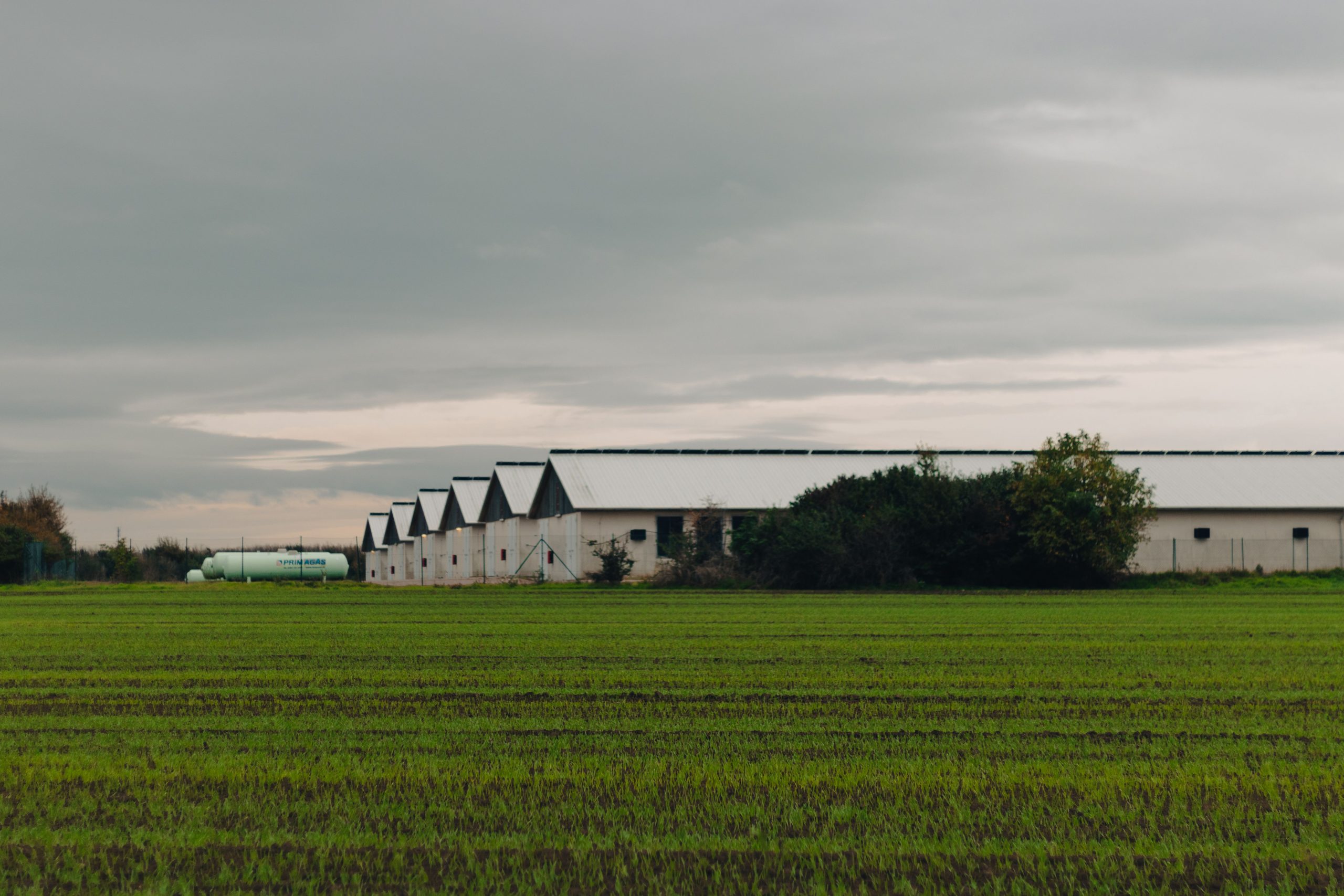
Agricultural businesses face a financial challenge that is different from many other industries: expenses and revenue frequently occur at very different times. Farmers may spend heavily on seed, fertilizer, feed, labor, fuel, utilities, equipment repairs, and crop protection months before receiving revenue from harvested crops or livestock sales.
The problem becomes more complex when an operation is expanding. A livestock producer may need additional animals, barns, fencing, agricultural water infrastructure financing, and feed storage. A greenhouse operation may require structures, environmental controls, irrigation, lighting, heating, cooling, and substantial working capital before new production reaches customers.
Successful financial planning therefore involves more than finding money. Farmers need to understand when capital will be required, how long each investment should remain productive, and how repayment obligations fit the agricultural business’s actual cash-flow cycle.
The following nine sections examine seasonal borrowing, crop expenses, financing sources, livestock growth, controlled-environment agriculture, underwriting, government programs, and long-term capital management.
Farmers exploring Seasonal farm financing should begin with a month-by-month budget identifying when major production expenses will occur and when revenue is reasonably expected.
Operations seeking crop production loans should calculate expected costs for seed, fertilizer, crop protection, fuel, labor, irrigation, harvesting, storage, transportation, and other production requirements.
Businesses comparing agricultural well financing providers should evaluate more than advertised rates by reviewing fees, repayment requirements, collateral provisions, eligibility standards, and the financing provider’s experience with agriculture.
Producers considering livestock expansion financing should prepare a complete budget for animals, housing, fencing, feed systems, water, handling facilities, equipment, veterinary expenses, and additional working capital.
Applicants researching greenhouse crop financing should include structures, irrigation, environmental controls, electrical work, heating, cooling, lighting where necessary, benches, growing systems, and operating expenses.
For additional educational information about farm funding options, visit AgribusinessLoans.com.
Businesses using Seasonal farm financing should coordinate borrowing with the actual production cycle rather than treating farm expenses as evenly distributed throughout the year.
Farmers pursuing crop production loans should develop crop-specific budgets because corn, soybeans, vegetables, fruit, specialty crops, and other commodities can have substantially different expense structures.
Applicants researching agricultural funding providers should determine whether a financing structure accommodates the timing of agricultural revenue and the seasonality of the particular operation.
Businesses using livestock expansion financing should recognize that adding animals can immediately increase feed, labor, veterinary, bedding, utilities, insurance, and transportation expenses.
Operations evaluating greenhouse crop financing should model production throughout the year because heating, cooling, lighting, labor, growing media, fertilizer, water, packaging, and energy costs can change significantly by season.
A detailed cash-flow forecast can reveal periods when the operation is most financially vulnerable and help management plan reserves before those periods arrive.
Producers considering Seasonal farm financing should estimate capital requirements using current acreage and realistic input assumptions rather than automatically borrowing the same amount as the previous year.
Applicants seeking crop production loans should account for the complete cost of producing and marketing the crop instead of limiting calculations to seed and fertilizer.
Businesses evaluating agricultural funding providers should ask how interest is calculated, when payments are required, what fees apply, whether collateral is necessary, and what happens if repayment extends beyond the anticipated harvest cycle.
Farmers carrying livestock expansion financing should avoid allowing expansion expenses to consume cash that has already been allocated to crop production when the farm operates both livestock and crop enterprises.
Producers using greenhouse crop financing should distinguish between permanent equipment and consumable production expenses because those investments may require different repayment strategies.
Operations relying on Seasonal farm financing should update cash-flow projections when herd or flock size increases because seasonal feed and operating requirements can change substantially.
Farmers seeking crop production loans while also raising livestock should maintain separate enterprise budgets where practical so management can understand the capital needs of each part of the operation.
Applicants comparing agricultural funding providers for a livestock project should consider whether the provider understands agricultural assets, production cycles, livestock revenue, and the proposed expansion strategy.
Businesses pursuing livestock expansion financing should calculate the cost of animals alongside buildings, feed storage, manure management, water systems, fencing, ventilation, handling equipment, transportation, and labor.
Producers considering greenhouse crop financing as part of a diversified agricultural operation should similarly separate greenhouse projections from livestock and field-crop assumptions.
Expansion should be based on sustainable operating capacity. Adding animals without adequate housing, feed, water, labor, equipment, or working capital can create operational problems even when the initial livestock purchase is affordable.
Farmers researching Seasonal farm financing should evaluate the total cost of borrowing and whether repayment timing corresponds with expected crop or livestock revenue.
Businesses evaluating crop production loans should compare rates, fees, repayment schedules, collateral requirements, guarantees where applicable, and other financing conditions.
Applicants comparing agricultural funding providers should request enough information to understand the complete financing structure rather than selecting an option solely because it advertises a low payment.
Operations seeking livestock expansion financing should stress-test proposed payments using conservative assumptions for livestock prices, feed expenses, production, and operating costs.
Farmers considering greenhouse crop financing should include utilities, maintenance, repairs, labor, growing supplies, crop losses, and other continuing expenses when evaluating repayment capacity.
Consider a hypothetical $500,000 agricultural project amortized over 10 years:
| Illustrative Rate | Approx. Monthly Payment | Approx. Total Repaid |
|---|---|---|
| 5% | $5,303 | $636,393 |
| 6% | $5,551 | $666,123 |
| 7% | $5,805 | $696,651 |
| 8% | $6,066 | $727,965 |
| 9% | $6,334 | $760,055 |
Approximate Monthly Payment

$6,400 |                              █
$6,200 |                              █
$6,000 |                       █      █
$5,800 |                █      █      █
$5,600 |         █      █      █      █
$5,400 |         █      █      █      █
$5,200 |  █      █      █      █      █
       +-----------------------------------
          5%     6%     7%     8%     9%
This table and graph are hypothetical educational examples only. They do not represent current lender rates, market averages, guaranteed financing terms, or promises of approval.
Businesses using Seasonal farm financing for greenhouse operations should recognize that operating expenses can continue throughout multiple production cycles rather than being concentrated exclusively around a traditional field-crop harvest.
Applicants considering crop production loans for controlled-environment agriculture should budget for plants or seed, growing media, nutrients, crop protection, labor, water, packaging, utilities, and distribution.
Businesses researching agricultural funding providers should determine whether the financing source is comfortable with greenhouse structures, specialized equipment, and the revenue model of the operation.
Farmers pursuing livestock expansion financing simultaneously with greenhouse development should carefully separate the two projects so one expansion does not unintentionally consume capital required by the other.
Applicants seeking greenhouse crop financing should calculate the complete installed cost of the structure and production systems rather than focusing only on the greenhouse shell.
Heating, ventilation, cooling, irrigation, environmental controls, electrical systems, backup power, lighting where applicable, and monitoring technology can materially affect both construction expenses and ongoing operating costs.
Eligible farmers using Seasonal farm financing can investigate Farm Service Agency programs designed to address qualifying agricultural operating requirements.
Applicants researching crop production loans can review FSA operating programs to determine whether their proposed use and circumstances meet current requirements.
Businesses comparing agricultural funding providers can include participating commercial lenders and government-backed programs in their research while recognizing that underwriting standards and eligibility vary.
Producers seeking livestock expansion financing may find certain FSA ownership or operating programs relevant depending on whether capital is needed for animals, equipment, facilities, property, or qualifying improvements.
Operations evaluating greenhouse crop financing should verify whether the particular structure, equipment, land improvement, or operating expense qualifies under any government program before relying on that funding.
Applicants seeking Seasonal farm financing should prepare requested financial statements, tax information where applicable, production records, crop budgets, debt schedules, and monthly cash-flow forecasts.
Farmers applying for crop production loans should document acreage, intended crops, anticipated production expenses, expected harvest periods, and reasonable repayment sources.
Businesses evaluating agricultural funding providers should confirm the provider’s identity, terms, fees, documentation requirements, and role in the transaction before supplying sensitive business information.
Operations pursuing livestock expansion financing should prepare livestock inventories, production records, facility information, feed budgets, expansion projections, and vendor estimates where applicable.
Applicants considering greenhouse crop financing should obtain detailed construction and equipment proposals covering structures, environmental systems, irrigation, electrical work, installation, and related costs.
Liquidity should remain a priority after financing is completed. A farm can own valuable land, buildings, livestock, and equipment while still experiencing financial difficulty if it lacks enough cash for ordinary operations.
Businesses using Seasonal farm financing should compare actual borrowing and repayment patterns with forecasts after every production cycle and adjust future budgets accordingly.
Farmers repaying crop production loans should compare actual yields, input expenses, harvest costs, market prices, and margins with the assumptions used when capital was requested.
Operations comparing agricultural funding providers should periodically reevaluate available options because the best structure for a startup, established operation, or major expansion may differ.
Businesses carrying livestock expansion financing should monitor animal performance, feed costs, labor, veterinary expenses, facility utilization, and additional revenue generated by expansion.
Farmers using greenhouse crop financing should track production per square foot, crop losses, energy consumption, labor, maintenance, equipment downtime, and sales performance.
A multi-year capital plan can coordinate livestock, crops, greenhouses, buildings, machinery, storage, irrigation, land improvements, and working-capital requirements. Prioritizing investments can help prevent too many major financial obligations from beginning simultaneously.
Additional educational information about farm funding is available at AgribusinessLoans.com.
Agricultural businesses operate according to production cycles rather than perfectly predictable monthly revenue. Understanding those cycles is fundamental to responsible financing.
Crop operations may spend heavily during planting and production before generating meaningful revenue at harvest. Livestock businesses have recurring feed, veterinary, labor, housing, and equipment expenses. Greenhouses may operate through multiple production cycles with substantial year-round utility and labor requirements.
A monthly cash-flow forecast can provide more useful information than an annual budget alone. Farmers can identify when the operation is likely to have its greatest cash requirements and compare those periods with anticipated revenue.
Crop budgets should include more than seed and fertilizer. Fuel, crop protection, irrigation, labor, equipment operation, harvesting, storage, drying where applicable, transportation, insurance, and marketing can all influence the amount of capital required.
Weather and commodity prices add uncertainty. Even a carefully planned operation can experience lower yields, higher costs, or weaker selling prices than initially expected.
Conservative projections can help management evaluate whether repayment obligations remain manageable under less favorable conditions.
Livestock expansion creates another set of considerations. Purchasing additional animals can be only the beginning of the investment. Housing, fencing, water, feed storage, handling systems, equipment, manure management, veterinary expenses, insurance, and labor may also increase.
Working capital should therefore be included in an expansion budget. Additional production capacity can create expenses immediately, while additional revenue may take longer to develop.
Greenhouses also require comprehensive budgeting. The structure itself may represent only part of the investment. Heating, cooling, ventilation, irrigation, electrical service, controls, benches, growing systems, monitoring technology, and backup equipment can significantly increase project costs.
Energy expenses can be especially important in controlled environments. Owners should estimate seasonal heating, cooling, lighting where used, and ventilation costs using realistic assumptions.
Marketing deserves attention as well. Increasing agricultural production only creates financial value when the additional products can be sold at prices capable of supporting the operation.
Farmers should evaluate potential buyers, distribution channels, storage requirements, transportation, packaging, and expected payment timing before significantly expanding capacity.
Choosing a financing source also requires due diligence. Applicants should understand whether they are dealing with a direct lender, government agency, broker, marketplace, or affiliate service and should carefully review the actual provider’s disclosures and terms.
Interest rate is only one consideration. Fees, repayment timing, collateral, guarantees, required equity contributions, prepayment provisions, and total borrowing costs can materially affect the economics of a transaction.
USDA programs may provide options for qualifying agricultural businesses. FSA administers direct and guaranteed programs that can address eligible ownership and operating requirements.
Government-program eligibility is not automatic. Farmers should verify current requirements, permitted uses, available amounts, security requirements, application procedures, and other conditions directly with the responsible agency.
Maintaining liquidity remains important regardless of the financing source. Farms need enough available capital to handle repairs, weather events, livestock problems, delayed customer payments, unexpected input increases, or other disruptions.
Financial records should be updated throughout the year. Comparing forecasts with actual expenses and revenue allows management to identify problems earlier and make better future assumptions.
A multi-year capital strategy can then coordinate land, livestock, buildings, greenhouses, equipment, storage, irrigation, vehicles, and operating needs.
Instead of expanding every part of the farm simultaneously, owners can prioritize investments according to operational importance, expected financial benefit, useful life, and available repayment capacity.
No financing option is guaranteed. Approval, available amounts, interest rates, fees, collateral requirements, guarantees, repayment periods, and other terms depend on the provider, program, applicant, and transaction.
Farmers who combine detailed budgeting, conservative projections, adequate liquidity, responsible borrowing, and careful performance measurement can make more informed decisions about financing future agricultural production and expansion.