
 Skip to content


Sheep farm loans, barn financing, agricultural business financing, agricultural property financing, and tractor loans help farmers invest in livestock facilities, farmland, essential equipment, and infrastructure needed to build efficient and profitable agricultural operations.
These financing solutions provide the capital required to expand sheep farming, construct durable barns, purchase productive farmland, acquire reliable tractors, and support the long-term growth of agricultural businesses.
Agribusiness loans are designed to support farmers, producers, and agricultural businesses with the capital needed to operate, expand, and improve productivity. Whether you are managing seasonal cash flow, purchasing land, upgrading machinery, or investing in livestock, our financing solutions are structured to match the unique cycles of agriculture.
We understand that farming is not a fixed-income business. That’s why our lending approach focuses on flexibility, seasonal repayment options, and long-term financial stability for agribusiness operators.
Long-term financing for major investments like land, infrastructure, and expansion projects.
Flexible access to funds whenever your business needs working capital.
Designed to support farming cycles, covering input costs before harvest revenue arrives.
Purchase new or used agricultural machinery with structured repayment plans.
Funding for buying, breeding, and expanding livestock operations.
Industry-focused agricultural financing experts
Flexible repayment plans aligned with crop cycles
Competitive interest rate structures
Fast approval and simple application process
Funding for both small farms and large agribusiness operations
Personalized financial support and advisory
Improve farm productivity and efficiency
Expand agricultural operations and land ownership
Maintain stable cash flow during off-season periods
Invest in modern technology and equipment
Strengthen long-term business growth
Reduce financial pressure during seasonal cycles
Farmers and agricultural landowners
Agribusiness companies of all sizes
Livestock and dairy operators
Agricultural processors and suppliers
Rural business owners involved in food
Affiliate Disclosure: We are an affiliate marketing website and may receive compensation from lending partners. We are not a lender, do not make credit decisions, and do not guarantee approval. Loan terms and rates are determined by individual lenders.
They can be used for land purchase, equipment, livestock, farm expansion, and working capital.
Yes, repayment structures can be aligned with agricultural income cycles.
Approval time depends on documentation, but flexible fast-track options are available.
Yes, both small and large agribusinesses are eligible.
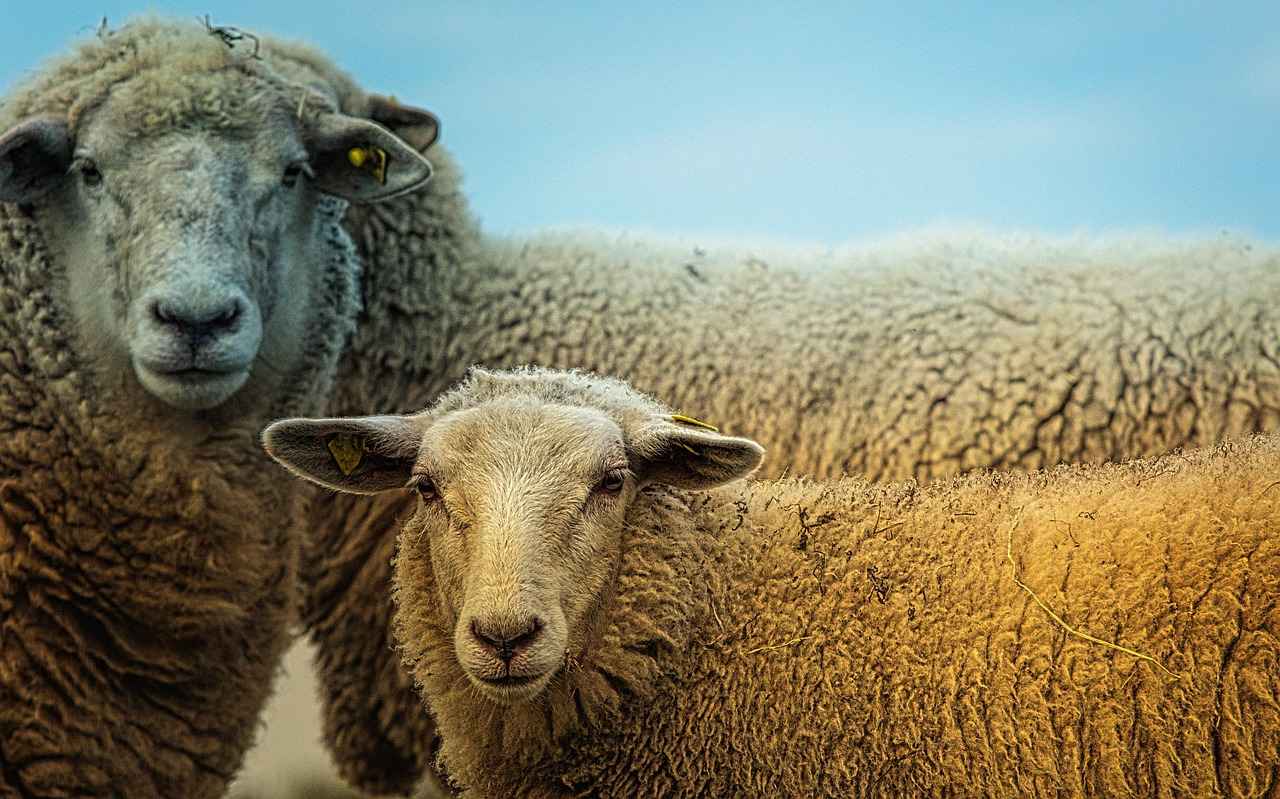
Building or expanding a sheep operation can require substantially more capital than the livestock purchase itself. Agricultural land, fencing, barns, handling facilities, water systems, feed storage, tractors, trailers, pasture improvements, and working capital can all contribute to the complete cost of establishing or expanding a farm.
Financing these investments requires careful planning because the assets have different useful lives and financial characteristics. Farmland and permanent buildings can remain productive for decades, while machinery eventually requires replacement and livestock-related operating expenses occur continuously.
Farmers should therefore develop a complete capital plan rather than evaluating each purchase independently. The plan should consider current cash flow, anticipated production, existing debt, available equity, operating reserves, and the amount of additional debt the operation can reasonably support.
The following nine sections examine financing strategies for sheep operations, agricultural buildings, farmland, farm businesses, tractors, and long-term expansion.
Producers researching Sheep farm loans should begin by identifying the complete cost of livestock, fencing, shelter, pasture development, water, feed, handling equipment, veterinary needs, and working capital.
Farmers considering barn financing should determine the required building size and whether it will primarily support livestock housing, lambing, feed storage, equipment storage, or multiple agricultural functions.
Businesses seeking agricultural business financing should create a detailed use-of-funds schedule separating permanent improvements from shorter-term operating expenses.
Applicants evaluating agricultural property financing should consider not only the purchase price of farmland but also closing expenses, necessary improvements, access, utilities, fencing, water availability, and other property requirements.
Operations exploring tractor loans should determine the horsepower, attachments, loader requirements, hydraulic capacity, and other specifications actually needed for the farm.
For additional educational information about farm funding options, visit AgribusinessLoans.com.
Applicants seeking Sheep farm loans should evaluate whether existing buildings, fencing, water systems, and handling facilities can support the planned flock before purchasing additional animals.
Businesses pursuing barn financing should obtain detailed contractor estimates covering site preparation, concrete where needed, framing, roofing, siding, electrical work, ventilation, doors, drainage, and livestock-specific improvements.
Farmers using agricultural business financing for livestock expansion should preserve sufficient capital for feed, labor, veterinary expenses, insurance, transportation, and other recurring costs after construction is completed.
Producers considering agricultural property financing should inspect the usefulness of existing barns and outbuildings rather than automatically assigning substantial value to structures that may require extensive renovation.
Applicants comparing tractor loans should consider whether the proposed machine can efficiently handle feeding, manure management, mowing, material handling, pasture maintenance, and other required tasks.
A livestock building should be designed around actual production requirements. Oversized facilities can unnecessarily increase debt, while undersized structures can create expensive expansion requirements later.
Farmers researching Sheep farm loans should consider pasture capacity, forage production, supplemental feeding requirements, water availability, fencing, and seasonal management when determining sustainable flock size.
Applicants considering barn financing should select a building location that works efficiently with pastures, roads, utilities, drainage, feeding areas, and livestock movement.
Businesses seeking agricultural business financing for land improvements should prioritize projects according to their expected contribution to production, efficiency, or risk management.
Farmers evaluating agricultural property financing should investigate soils, water, access, drainage, existing improvements, land use restrictions, and other factors relevant to the intended agricultural operation.
Operations pursuing tractor loans should consider terrain, acreage, implement requirements, lifting capacity, and the type of fieldwork expected from the machine.
Producers using Sheep farm loans should distinguish between capital needed for long-lived assets and money needed for livestock or seasonal operating expenses.
Applicants seeking barn financing should compare repayment structures with the anticipated useful life of the building and its expected contribution to the agricultural operation.
Businesses researching agricultural business financing should avoid placing every expense into one financing structure merely for convenience when different assets have substantially different economic lives.
Farmers considering agricultural property financing may require longer-term repayment structures because farmland represents a fundamentally different asset from feed, supplies, or machinery.
Operations evaluating tractor loans should avoid repayment schedules that extend unreasonably beyond the expected useful economic life of the equipment.
Matching the financing structure with the asset can help avoid situations in which a producer continues paying for equipment or technology that has already required replacement.
Applicants researching Sheep farm loans should compare interest charges, fees, collateral requirements, repayment schedules, required contributions, guarantees where applicable, and prepayment provisions.
Farmers seeking barn financing should calculate payments using the complete installed project cost rather than only the basic building package.
Businesses evaluating agricultural business financing should stress-test repayment capacity using conservative revenue assumptions and potentially higher operating expenses.
Producers considering agricultural property financing should calculate how the proposed land payment interacts with taxes, insurance, maintenance, improvements, and existing business obligations.
Applicants researching tractor loans should evaluate the purchase price alongside maintenance, fuel, insurance, attachments, repairs, and eventual replacement costs.
Consider a hypothetical $500,000 agricultural investment amortized over 15 years:
| Illustrative Rate | Approx. Monthly Payment | Approx. Total Repaid |
|---|---|---|
| 5% | $3,954 | $711,720 |
| 6% | $4,219 | $759,420 |
| 7% | $4,494 | $808,920 |
| 8% | $4,778 | $860,040 |
| 9% | $5,071 | $912,780 |
Approximate Monthly Payment

$5,200 |                              █
$5,000 |                              █
$4,800 |                       █      █
$4,600 |                       █      █
$4,400 |                █      █      █
$4,200 |         █      █      █      █
$4,000 |  █      █      █      █      █
       +-----------------------------------
          5%     6%     7%     8%     9%
The table and graph are hypothetical educational calculations. They are not current lender rates, agricultural market averages, financing offers, guaranteed terms, or indications of approval.
Eligible producers exploring Sheep farm loans can review Farm Service Agency programs addressing qualifying farm ownership and operating needs.
Applicants considering barn financing should determine whether a proposed agricultural building qualifies under a particular government program before incorporating that potential funding into a construction plan.
Businesses seeking agricultural business financing can investigate direct and guaranteed FSA programs as well as other USDA resources applicable to their specific project.
Farmers researching agricultural property financing may find FSA ownership programs relevant when purchasing qualifying farmland or making eligible long-term improvements.
Operations considering tractor loans can review FSA operating programs because qualifying equipment purchases may be eligible for certain borrowers.
Government assistance is not automatic. Producers should confirm current eligibility, permitted uses, available amounts, collateral requirements, repayment terms, and application procedures directly with the applicable agency.
Farmers applying for Sheep farm loans should organize requested financial statements, tax information where applicable, livestock inventories, production plans, debt schedules, and cash-flow projections.
Applicants seeking barn financing should obtain detailed construction proposals showing dimensions, materials, site work, utilities, installation responsibilities, and estimated completion costs.
Operations applying for agricultural business financing should clearly explain the requested amount, use of proceeds, current business condition, and anticipated financial impact of the project.
Businesses pursuing agricultural property financing should prepare purchase information, property details, existing improvements, proposed uses, and documentation requested during underwriting.
Farmers considering tractor loans should obtain equipment quotes identifying the tractor, attachments, purchase price, and other relevant specifications.
The USDA Farm Loan Discovery Tool can help producers explore FSA programs that may correspond with their circumstances. Actual eligibility is determined through the applicable application process.
Operations carrying Sheep farm loans should maintain adequate reserves for feed, veterinary care, bedding, labor, fencing repairs, utilities, transportation, and unexpected livestock expenses.
Farmers using barn financing should maintain contingency capital for construction changes, drainage problems, electrical upgrades, material changes, and other unexpected project expenses.
Businesses utilizing agricultural business financing should avoid committing every available dollar to fixed assets if doing so leaves inadequate cash for normal operations.
Producers carrying agricultural property financing should budget for property taxes, insurance, fencing, road maintenance, drainage, utilities, and other continuing ownership expenses.
Applicants using tractor loans should preserve funds for diesel fuel, maintenance, tires, hydraulic components, filters, attachments, and unexpected repairs.
Liquidity is particularly important in agriculture because livestock prices, feed expenses, weather, pasture conditions, labor costs, equipment failures, and other factors can affect financial results unexpectedly.
After obtaining Sheep farm loans, producers should compare actual livestock performance, feed costs, operating expenses, and cash flow with the assumptions used when planning the investment.
Businesses completing projects with barn financing should monitor building utilization, maintenance, energy expenses, livestock capacity, and whether the facility continues to meet operational requirements.
Operations using agricultural business financing should periodically update capital plans to account for changing production levels, equipment needs, market conditions, and business objectives.
Farmers carrying agricultural property financing should maintain long-term plans for fencing, soil improvement, drainage, water infrastructure, roads, buildings, and other property investments.
Businesses repaying tractor loans should track hours, utilization, maintenance, downtime, repair expenses, and anticipated replacement timing.
A multi-year strategy can coordinate land acquisition, buildings, livestock, machinery, pasture improvements, water infrastructure, storage, and working-capital requirements instead of treating each investment as an unrelated decision.
Producers can explore broader federal agricultural resources through Farmers.gov. Additional educational information about agricultural funding can be found at AgribusinessLoans.com.
Developing a sheep operation requires a financial plan that extends beyond purchasing animals. Land, pasture, fencing, water, shelter, feed storage, handling equipment, machinery, veterinary care, transportation, insurance, and working capital can all contribute to the true cost of the business.
The first step is determining an appropriate scale. Producers should evaluate available acreage, forage production, feed requirements, water resources, labor capacity, buildings, and markets before deciding how rapidly to increase flock size.
Livestock facilities should then be designed around the operation. A building intended for lambing may have different requirements from a machinery shed or feed-storage structure. Ventilation, drainage, electrical service, water access, doors, pens, handling areas, and vehicle access can all affect design and cost.
Farmers should compare complete construction estimates instead of focusing exclusively on the advertised price of a building package. Site preparation, concrete, utilities, interior improvements, drainage, and installation can materially increase final costs.
Farmland requires equally careful evaluation. Purchase price is important, but productive value also depends on soil, water, access, drainage, fencing, improvements, location, and the agricultural use planned for the property.
A lower-priced property that requires substantial fencing, water infrastructure, roads, or building improvements may ultimately demand more capital than a more expensive but better-equipped farm.
Machinery decisions should be based on actual operating requirements. A tractor needs sufficient capability for the work expected of it, but purchasing significantly more machine than necessary can increase payments, fuel consumption, insurance, and maintenance expenses.
Used equipment can sometimes reduce initial capital requirements, but condition and repair history matter. Buyers should evaluate hours, maintenance records, tires, hydraulics, engine condition, attachments, and expected repair costs where appropriate.
Agricultural financing programs can provide options for qualifying farmers. FSA administers programs that may support eligible farm ownership, operating expenses, equipment, livestock, and improvements depending on the program.
Eligibility should never be assumed. Producers should verify current requirements directly with FSA or another provider before making a purchase dependent on financing.
Working capital remains essential after major assets have been acquired. A farm may own land, livestock, buildings, and equipment yet still experience financial stress if it cannot comfortably purchase feed, pay employees, repair machinery, or cover veterinary expenses.
Maintaining contingency reserves can provide additional protection. Livestock health problems, weather, feed-price increases, fencing damage, machinery failures, and weaker market prices can create expenses that were not included in the original budget.
Accurate records can improve future financial decisions. Tracking feed costs, veterinary expenses, lambing results, livestock sales, pasture expenses, machinery utilization, repairs, and labor can help management understand where the operation is producing or losing money.
A long-term capital plan can then prioritize improvements. Some farms may need better fencing before additional livestock. Others may benefit more from water infrastructure, buildings, pasture improvements, or equipment.
Growth should be paced according to financial capacity rather than simply the availability of financing. Additional debt creates fixed obligations even when agricultural revenue is variable.
Farmers should therefore test expansion plans against less favorable scenarios. Lower livestock prices, higher feed expenses, increased interest costs, drought, or unexpected repairs can affect repayment capacity.
No financing product is automatically approved. Available amounts, rates, fees, collateral requirements, guarantees, repayment periods, required contributions, and eligibility depend on the financing provider, government program, applicant, assets, and transaction.
A carefully planned agricultural operation combines suitable land, productive livestock, practical buildings, appropriately sized machinery, adequate working capital, conservative financial projections, and a long-term strategy for growth.